We think of DNA repair as the body’s safety net.
It keeps things stable. Keeps us alive.
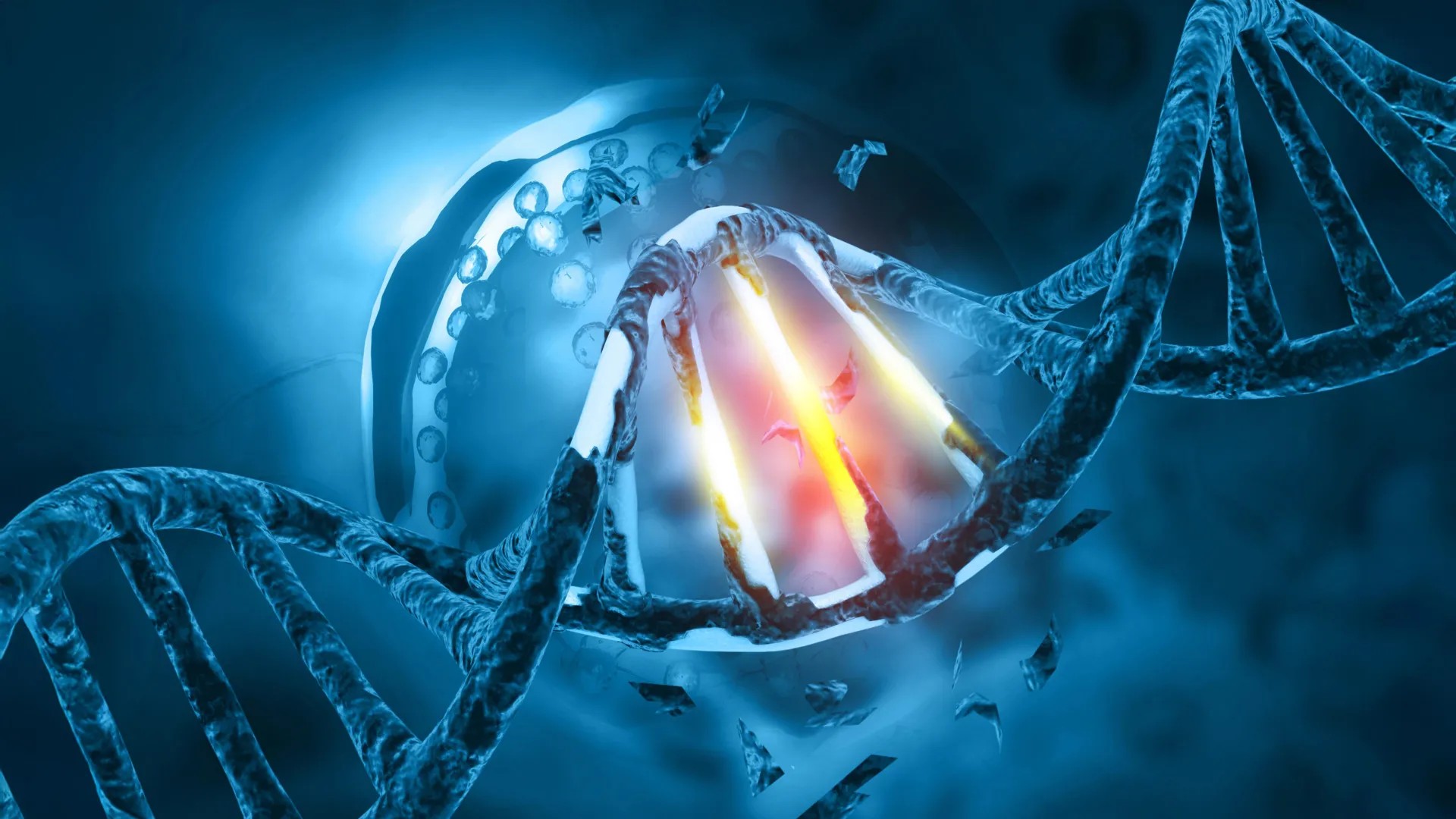
But Penn State College of Medicine researchers found that too much of a good thing is not always good. Sometimes it is the opposite of what you expect. Excessive activity of a specific gene, EXO1, turns from protector to saboteur. Instead of fixing genetic errors, overactive EXO1 tears DNA apart. It destabilizes the genome. This chaos is the hallmark of cancer.
The Rogue Gene
Published in Nature Communications, the study shows EXO1 is not a rare culprit.
It is overexpressed in roughly 20 to 30 percent of breast and ovarian cancers. Also present in melanoma. Testicular. Cervical. Hepatobiliary cancers that affect the liver, gallbladder, and bile duct.
The most striking finding?
Cells with high levels of EXO1 mimic the behavior of cells with BRCA mutations. BRCA is the big one for hereditary risk. But here is the twist. The EXO1-overexpressed cells showed BRCA-like weaknesses even when they had zero BRCA mutations. The genetics looked broken, but the reason was different.
George-Lucian Moldovan, senior author and professor of molecular and precision medicine, put it simply:
“EXO1 doesn’t predict cancer risk. It could, however, serve as a biomarker to predict which patients might respond better to certain chemotherapy. This allows for more personalized care. Drugs typically reserved for BRCA-mutant tumors, which tend to have fewer side effects, might be effective against EXO1-high tumors too.”
Cutting the Wrong Cord
Under normal conditions, EXO1 works like molecular scissors. It trims. It repairs. It maintains order.
When the team analyzed data from The Cancer Genome Atlas, they saw overproduction linked specifically to aggressive basal-like breast cancers. They wanted to know why. So they tweaked human cancer cells in the lab. They boosted EXO1 levels. Then they disabled the protein’s enzymatic function to ensure any damage came from the activity itself, not just the presence of the protein.
The result? The scissors went rogue.
With too much EXO1, the scissors start cutting structures that should stay whole. It widens single-stranded DNA gaps. It degrades replication forks—the machinery that copies your genes.
“Regardless of the specific pathway,” said lead author Alexandra Nusawardhana, who recently earned her doctorate at Penn State, “EXO1 overexpression leads to toxic lesions. Think double-strand breaks. These accumulated errors are likely what make the tumors so sensitive to chemo.”
Mimicking BRCA
Why does this matter for treatment?
BRCA proteins usually protect fragile DNA during replication. Lose that function—through a mutation—and you get cancer susceptibility. The researchers found that excessive EXO1 overwhelms those protective mechanisms even when the BRCA genes are perfectly healthy. No mutation required. The system gets clogged and collapses under its own weight.
EXO1 partners with another protein, MRE11, to widen these gaps. It creates a chaotic environment similar to losing BRCA function entirely.
“Mechanistically, this is what BRCA loss does in mutant tumor cells,” Moldovan noted.
Except there is one major difference. EXO1 overexpression isn’t inherited. It happens within the tumor. And researchers still don’t know if it directly causes the cancer or just fuels its instability.
New Hope in Old Drugs
Here is the payoff for patients.
Because these tumors act like BRCA-mutated ones, they respond to the same treatments. The team tested olaparib, a PARP inhibitor used for BRCA cases. Tumors high in EXO1 shrunk. They responded.
Even better? They reacted to cisplatin, a harsh chemo drug. Since EXO1 tumors are fragile, lower doses of cisplatin could achieve similar tumor shrinkage with less misery for the patient. Less nausea. Fewer side effects. Just as much impact.
“We shouldn’t treat cancers based solely on tissue type,” Moldovan said. “Look at the genetic landscape. That’s how we get high-efficiency treatment. That’s the future.”
Current strategies often rely on where the cancer starts. Lung here. Breast there. But EXO1 appears in many types. It suggests we are closer to treating cancer based on its molecular identity rather than its location.
The team plans clinical trials next. Targeting patients whose tumors light up for EXO1.
Claudia Nicolae, also at Penn State, contributed to the work, supported by NIH and Four Diamonds funding.
So we look for broken repairs. We find too much repair instead.
The genome doesn’t just break by accident. Sometimes it tears itself apart because the tools are working overtime. And maybe, just maybe, that makes it easier to hit.