We touch things. A lot. Packages. Friends. Screens. Then we rub our eyes. Big mistake.
Dr. Supriya Rao knows why. She is a gastroenterologist who has seen the aftermath of poor hand hygiene.
“Most gastrointestinal and respiratory infections spread,” Rao explained. The vector is simple. Contaminated hands. Eyes, nose, or mouth. Direct contact.
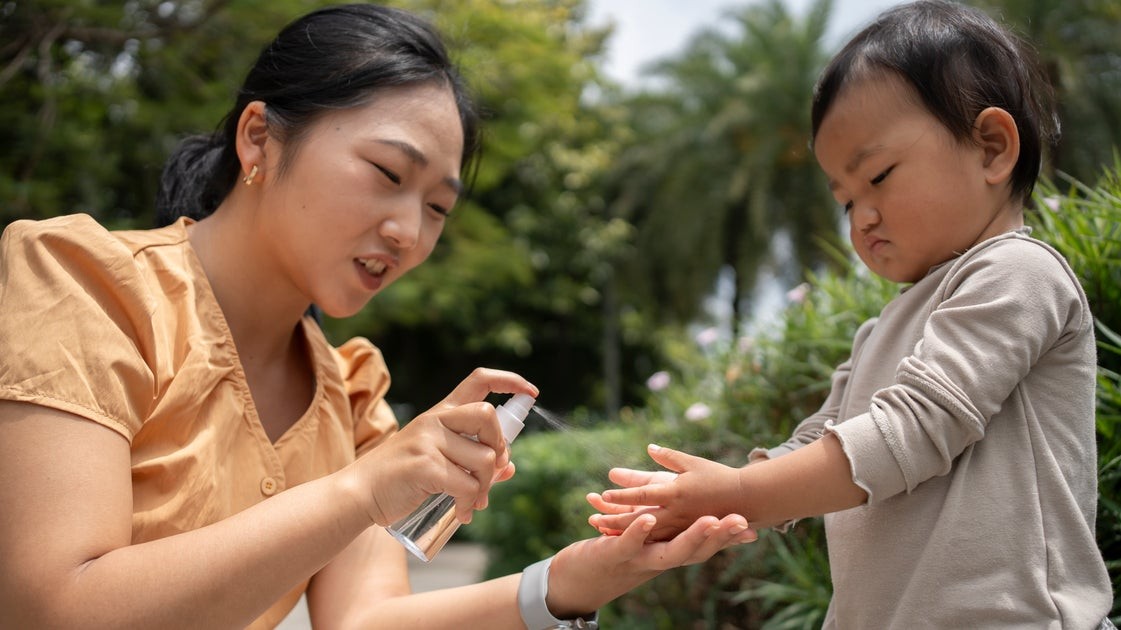
Spraying sanitizer helps. It can be the difference between a clear head next week and a congested one. But you need to know where the dirt lives. It is rarely the bathroom doorknob you expect. The real villains are quiet. Boring. And everywhere.
Here are three items most people ignore, according to the experts who track microbes for a living.
Pin Pads Are Pressure Cookers for Viruses
You stand at the coffee shop counter. You buy your latte. You type your PIN. Click. Click. Done.
Wrong.
Jason Tetro is a microbiologist. People call him “The Germ Guy.” He says the PIN pad is the most unsuspecting trap.
When you type a PIN you press hard. Pressure transfers microbes from skin to plastic. Efficiently. Then someone else stands there. Someone who maybe touched raw chicken. Someone who definitely didn’t wash their hands. They press harder. They leave behind flu virus. Maybe COVID. Salmonella, even.
“In order for you to get the PIN inputted you have to put pressure,” Tetro noted. “That pressure is enough to really leave a large amount of microbes.”
Turnover is high. Hygiene is low. The surface becomes a reservoir. Tetro calls it the spot with the greatest threat for transmitting pathogens. You think you are safe. You are not.
Grocery Carts: The Handle Is The Problem
Not the bottom of the cart. You rarely touch that. But the handle?
You grab it every time. To push. To steer. To drag your heavy groceries across the lot.
People overlook it because they are focused on food. Buying eggs. Picking out produce. Tetro points out that handles are prime transfer points. Touch a germ-laden handle. Then touch your throat. You will get a sore throat. Maybe a cold.
It is simple cause and effect. Most people don’t sanitize after pushing the cart home. They drive back. They open their car door with the same hand. Game over.
Your Phone Is a Fomites Magnet
You take your phone to the bathroom. You drop it on the airplane floor. You eat dinner with it propped against a glass of water.
“You take it everywhere,” Rao said. Grocery stores. Gyms. Restrooms. “It is always with you. And how often you actually clean it?”
Rao considers phones the dirtiest surfaces people touch daily. It picks up what you touch. It holds onto it. Warm. Dark. Ideal.
Ideally your hands should be clean before you unlock that screen. You should wipe the phone down several times a week. Most do not.
Ideally people should have clean hands before use their phone.
Until you reach a sink use sanitizer. But actually use it correctly. Most people fail at this. They spray. They rub. They walk away in four seconds.
Ethanol needs time. It needs fifteen seconds of damp contact to kill the bad stuff. Tetro says most people rub too hard and finish too fast. Let it sit. Keep your hands moist for fifteen seconds. Do not rush the chemistry.
Sanitizing after touching pin pads carts or phones is small. It is also effective.
The next time you have no idea how you caught that nasty flu check this.
Did you use a PIN pad?
Did you touch your face afterward?
If you said yes. Look at your hands.