

Dieting isn’t just a trend in America. It’s a cultural constant. Walk into any grocery store or scroll through social media, and you’ll see millions of people counting calories, tracking macros, or swearing by the latest fad. You know the names. Atkins. Cabbage Soup. Grapefruit. Hollywood Miracle. Rice. Scarsdale. South Beach. Zone.
These diets cycle in and out of relevance with alarming speed. But before we dive into how to lose weight or which diet actually works, we need to understand why gaining it feels so effortless.
The truth is simpler and more frustrating than most people want to admit. Your body is aggressively efficient.
Your Body’s Efficiency
Have you ever noticed that after turning 30, maintaining your weight feels like a full-time job? It’s not just your metabolism slowing down. It’s that your body has become incredibly good at survival.
At rest, your body runs on a shoestring budget. For every pound you weigh, you burn roughly 12 calories a day just to exist.
Let’s do the math. If you weigh 150 pounds, your body uses about 1,800 calories daily.
$$150 \times 12 = 1,800 \text{ calories per day}$$
This isn’t a rough guess. It’s the baseline cost of keeping you alive. That number covers:
- Your heart beating
- Your lungs breathing
- Your internal organs functioning
- Your brain processing thoughts
- Your body staying warm
You don’t move much, and you still burn a significant amount. But here is where it gets tricky. When you do move, your body doesn’t waste energy. It becomes frugal.
Consider a marathon runner. Covering 26.2 miles, they burn about 2,600 calories. That’s roughly 100 calories per mile. Compare that to your average day of sitting at a desk, and the efficiency becomes glaringly obvious.
Think of it like a car. A typical U.S. vehicle gets between 15 and 30 miles per gallon. One gallon of gas contains about 31,000 calories. If humans drank gasoline instead of eating burgers, a person could run 26 miles on a tiny fraction of a gallon. You’d get over 300 miles per gallon. On a bicycle, that number jumps to over 1,000 miles per gallon.
You are a high-performance engine built for conservation. This efficiency is the primary reason why gaining weight is so easy. It’s not a lack of willpower. It’s biology.
Taking Calories In
The next step in understanding weight management is looking at the input side of the equation. It’s not just about burning calories through exercise. It’s about what you put into that highly efficient machine every single day.
Most people underestimate how little extra fuel it takes to tip the scales. Because your body burns so little at rest, a small surplus in daily intake doesn’t get burned off. It gets stored.
Understanding this balance is key. You aren’t fighting a broken system. You’re working with a system that was designed to keep you alive during times of scarcity. In a world where food is always available, that same survival mechanism becomes the biggest hurdle to weight maintenance.
The solution isn’t to fight your biology. It’s to understand it. Once you grasp just how efficient your body truly is, the approach to diet and exercise changes. You stop relying on massive workouts to undo bad habits and start focusing on sustainable, consistent input.
This is the foundation. Before we look at specific diets or exercise routines, we need to accept the premise: your body is efficient. And that efficiency works against you if you aren’t paying attention.
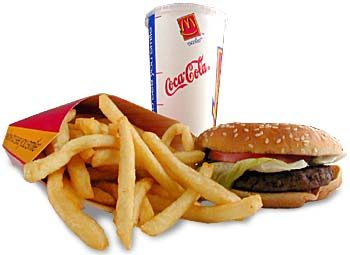
Fast Food Math: How One Meal Wipes Out Your Daily Calorie Budget
Most people assume that burning around 1,800 calories a day at rest is a generous allowance. It isn’t. That number is a baseline, not a buffet pass. If you treat your body like a furnace that only needs a small log to keep burning, you’re going to be confused when you gain weight while eating what feels like “normal” portions.
Take a trip to your local McDonald’s. Order the Big Xtra meal. You know the drill: the sandwich, the large fries, the large Coke. You think you’re just having lunch. Here is the breakdown from McDonald’s USA Nutrition Facts:
- The sandwich alone sits at 710 calories.
- The large fries? That’s 540 calories.
- The large Coke adds another 310 calories.
Do the math. Just that one combo hits 1,560 calories. You are already 90% of the way to filling your entire day’s energy bucket before you’ve even brushed your teeth. If you add an M&M McFlurry for dessert, you’re staring down a massive 630 calories addition. Suddenly, that single meal clocks in at nearly 2,200 calories. You’ve exceeded your daily limit before the sun sets.
It’s not just burgers. Consider Pizza Hut. A Meat Lover’s Pan Pizza slice contains 360 calories. Eat three slices. Add a large drink. You’re at 1,390 calories. You are only 410 calories shy of your full daily requirement.
This is where the disconnect happens. We see a “meal” as a discrete event. Our metabolism sees it as a flood.
Why Your Metabolism Isn’t a Bank Account
We tend to think of calories like money in a checking account. We spend some, we save some, we withdraw some. But energy isn’t currency. It’s fuel. And the problem with fast food isn’t just the volume; it’s the density.
When you eat those 1,560 calories from the Big Xtra meal, you aren’t just consuming energy. You’re consuming a specific type of energy that spikes your insulin and shuts down fat burning. You’re not just “spending” calories. You’re flooding a system that wasn’t designed to handle that much processed carbohydrates and saturated fats in one sitting.
Think about the Pizza Hut example again. Three slices and a drink. You’re left with 410 calories for the rest of the day. That’s a hardcover book, a large coffee, and a banana. You can’t survive on that. You don’t want to survive on that. So what happens? You get hungry. You snack. You reach for something quick. The math compounds. The deficit in nutrients makes you crave more energy. The cycle tightens.
The Illusion of “Just One Meal”
The real danger isn’t the single meal. It’s the justification.
“Just one meal won’t hurt.”
“Just this weekend.”
“I’ll make up for it tomorrow.”
But here’s the thing about 2,200 calories in a single sitting. It’s not a mistake. It’s a strategy. The food industry designs these combos to be hyper-pal

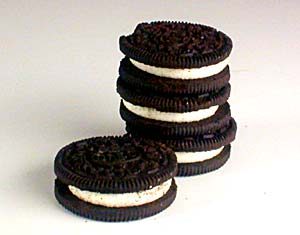
Grabbing a dozen SnackWell’s Crème Sandwich Cookies isn’t some impossible feat of willpower. It’s actually pretty easy to do. You’re looking at 660 calories there. That is more than a third of your daily caloric intake in one sitting.
The point isn’t to shame these products or pretend they don’t exist. I’m not a saint. I have two kids. I hit McDonald’s at least once a week because sometimes life just gets busy. The real issue is simpler: in America and most developed nations, it is incredibly easy to consume calories.
We are overworked, over-booked, and totally stretched thin. Convenience wins every time.
The Average Day’s Calorie Trap
Look at a typical day for someone trying to stay healthy but relying on convenience:
- Two Pop-Tarts® for breakfast.
- Pizza Hut for lunch.
- A bag of SnackWell’s and a cola for an afternoon snack.
- McDonald’s for dinner.
- Potato chips while watching TV.
You can see how easily that number hits 3,000, 4,000, or even 5,000 calories. No effort required. Just existing.
Your body is efficient. Too efficient. It captures excess calories and stores them as fat for a rainy day. It only takes 3,500 excess calories to create one pound of new body fat. If you eat just 500 extra calories a day, you gain a pound a week.
That’s 500 calories. Maybe one ice cream cone. Or a handful of cookies. Weight gain is effortless because food is everywhere.
The Math Behind Burning Fat
Imagine you are overweight. You want to lose a few pounds. To drop one pound of fat, you need to burn off 3,500 calories. That means consuming 3,500 fewer calories than your body needs over time.
Let’s assume you weigh 150 pounds. Your body needs about 1,800 calories a day just to function at rest (150 lbs x 12). Here is how you create that deficit:
- Starvation mode: Lie in bed. Do nothing. You burn 1,800 calories. You eat zero. Deficit: 1,800 calories a day. You lose a pound every two days.
- Dieting: Eat 1,500 calories a day. Deficit: 300 calories a day. You lose a pound every 12 days.
- Exercise: Eat 1,800 calories. Jog two miles daily. You burn 200 extra calories. Deficit: 200 calories a day. You lose a pound every 18 days.
- Extreme effort: Eat 2,500 calories. Run ten miles a day. You burn 2,800 total calories. Deficit: 300 calories. You lose a pound every 12 days.
The bottom line is simple. To lose fat, you must consume fewer calories per day than your body needs. For every 3,500 calories pulled from reserves, you lose one pound. You can do this by restricting intake, exercising, or both.
Every diet out there, from Weight Watchers to the grapefruit fad, is just a mechanism to lower that daily calorie count. That’s it.
Why Most Diets Fail Permanently
Most diets don’t work long-term because they aren’t sustainable. You gain weight because you consume more than you burn. A diet creates a temporary deficit. When the diet ends, you go back to your normal eating habits. The weight comes back.
Let’s look at the math of a modest surplus.
Say you weigh 150 pounds. You burn 1,800 calories at rest. Living your life—walking up stairs, carrying groceries—burns another 200 calories. Your total daily need is 2,000 calories.
You eat 2,050 calories.
That is only 50 extra calories a day. Every 70 days, you gain one pound (3,500 / 50 = 70). If you keep that up for a year, you gain five pounds.
That is the pattern for a huge chunk of the population. We over-consume by tiny margins. Just one Oreo-type cookie contains 50 calories. It is incredibly easy to slip.
The problem isn’t willpower. It’s that the environment is designed for surplus. You don’t have to try hard to gain weight. You just have to live.
It starts with the allure of the Get Slim Miracle Diet. The premise is brutally simple. Every day, you eat two cups of brown rice. A can of Vienna sausages. As many onions as you can stomach. That’s it. You are looking at roughly 1,000 calories. Then you add a two-mile jog. You are in a deficit of 1,200 calories a day.
The math is seductive.
3,500 calories equals one pound of fat. You are burning 1,200 extra calories daily. Do the division. It takes about three days to lose a single pound. Two months of this misery? You drop 20 pounds. You feel like a genius. You feel light. You feel victorious.
Then you stop.
What happens next is predictable. You are starving. Your body has been running on fumes and canned pork for eight weeks. The first meal you eat feels like an event. You overcompensate. You eat more than usual. Then you slip back into your old habits. The “normal” eating pattern you abandoned returns. The weight follows.
It returns in droves.
This is the cycle. You lose the weight. You quit the diet. You gain it back. Most people think they lack willpower. They don’t. They lack a strategy.
Building a Sustainable Diet
The solution isn’t another miracle. It isn’t a new list of forbidden foods. It’s sustainability. You need a food and exercise plan that allows you to live a normal life. You need to eat normal foods in a normal way.
You don’t need to suffer to succeed. You need a system you can keep.
This means looking at your daily intake not as a punishment, but as fuel for a life you actually enjoy. If your plan requires you to hate every bite or skip every social gathering, it will fail. The goal is longevity. The goal is keeping the weight off when the novelty wears off.
Start by auditing your current routine. Where are the gaps? Is it late-night snacking? Is it skipping breakfast and binging at lunch? These aren’t moral failings. They’re patterns. Change the pattern, and you change the outcome.
Focus on Consistency, Not Perfection
You will have bad days. You will eat the pizza. You will miss the gym. That is fine. One bad day doesn’t ruin a healthy lifestyle. One healthy day doesn’t fix an unhealthy one. It’s the average over time that matters.
Try swapping one processed item for a whole food. Not both. Just one. If you drink soda at dinner, switch to water. If you eat white bread, switch to whole grain. Small shifts. Cumulative changes.
Make Movement Non-Negotiable, Not Optional
You don’t need to run two miles every day if you hate running. Find movement you can tolerate. Walking. Dancing. Swimming. The goal is to keep your body active without treating it like an enemy. The calorie deficit should come from diet, not from exercise you dread.
Plan for the Long Haul
Ask yourself: Can I see myself doing this in five years? If the answer is no, it’s not a sustainable diet. It’s a temporary fix. And
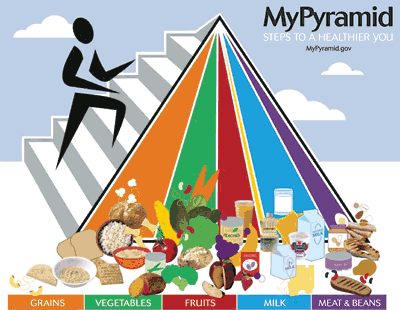
The Math Behind the Scale
Let’s be honest. The landscape is littered with calories. Staying consistent isn’t just about willpower. It’s about physics. You can’t out-train a bad diet if you aren’t tracking the numbers.
The first step? Count everything.
Stop guessing. You need to know exactly what a “normal” day looks like for you. Not the salad days. The Tuesday-with-a-late-lunch days. Build a mental database. When you eat, know the cost.
In the US, the FDA mandates labels on packaged goods. Chain restaurants list them online or in-store. Use them.
Next, figure out your baseline. The “12 calories per pound” rule is a decent starting point. Or dig deeper into metabolic formulas. Pick your ideal weight. Calculate the daily limit that keeps you there.
Then compare.
You might be shocked by the gap between what you eat and what you need. That gap is the extra weight.
The fourth step is closing it.
1,600 calories doesn’t sound like much. It isn’t. Watch every sip. Every crumb. Stick to the limit.
Add exercise as step five. Use it to raise your ceiling. Burn 250 to 500 calories a day. It changes the math significantly.
Cutting Calories Without Starving
Reducing intake requires strategy, not suffering.
Carry an index card. Write down every calorie. The act of writing slows you down. It makes you conscious.
Drop the food myths. They are mental traps.
Here is the most effective shortcut: Stop drinking your calories.
Water. That’s it.
Beverages like cola, orange juice, and beer are calorie bombs. They offer zero satiety. Drink 10 ounces of orange juice (300 ml). You get 140 calories. Your stomach stays empty. Your appetite remains ravenous.
Eat the fruit instead.
When you chew an orange, three things happen. You get fewer calories. You engage in the psychological act of chewing. Your stomach physically fills. The juice passes right through. The fruit stays.
This applies to all caloric beverages. They bypass your hunger cues.
Eliminate white sugar. It removes a massive class of snacks.
- Cookies
- Cake
- Ice cream
- Candy bars
Cutting sugar cuts the easy wins.
Do the same for fried foods. They are calorie-dense traps.
- French fries
- Onion rings
- Donuts
- Fried chicken
Deep-frying adds fat. Fat is dense. These foods pack calories into small spaces.
Remove sugar and fried items. You’ve cleared entire grocery aisles. You’ve removed the most common culprits.
Replace high-density foods with low-density ones.
A cookie is high-density. One bite is 50 calories. You are full of sugar and fat but still hungry.
A banana is low-density. It takes time to eat. You get 100 calories. You feel full.
Choose volume over density. It makes the limit sustainable.

Think about it. Most of us could knock down a dozen Oreo-style cookies without thinking twice. Or a dozen SnackWell’s. That’s roughly 600 calories gone in seconds. Now picture trying to eat six bananas in one sitting. You’d feel bloated, uncomfortable, maybe even sick. Yet, those six bananas contain that exact same number of calories.
The difference isn’t the energy. It’s the volume.
This is where low-density foods change the game. You want foods that pack a lot of physical presence into very few calories. They fill your stomach physically, sending fullness signals to your brain before you’ve actually consumed enough energy to gain weight.
What to Eat (And What to Avoid)
Low-density foods are your best friends when you’re trying to lose fat. They include:
- Any fruit or vegetable in its natural state
- Non-sugared breakfast cereals like shredded wheat
- Rice cakes
- Unbuttered popcorn
- High-fiber whole-grain bread
- Brown rice
Conversely, high-density foods are calorie bombs. They pack tons of energy into small volumes. Think nuts, most meats, candy, cookies, crackers, potato chips, fried items, cola, and beer. If it’s high in sugar or fat, it’s high-density. Avoid these if your goal is to manage hunger without excess calories.
The Clothing Trick
Here’s a weird but effective psychological hack. Stop wearing oversized sweats. Start wearing form-fitting clothes.
I know it feels restrictive at first. But that tight fabric acts as a subliminal reminder. Every time you adjust your waistband or feel the fabric against your skin, you’re reminded of your goal. It’s not about punishment. It’s about awareness. You’re constantly tethered to the outcome you’re trying to achieve.
Exercise: It’s Not Just About Burning Calories
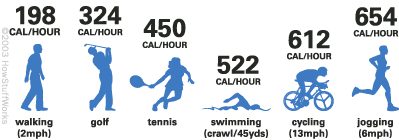
Exercise is often viewed as the penalty for eating too much. That’s wrong. Exercise is a tool to increase your total daily calorie burn. Online calculators can show you exactly how many calories different activities burn, but the real trick is integration.
You don’t need a gym membership. You need consistency.
How to fit movement into a busy schedule:
- Find what you can tolerate. You don’t have to love it. Just do it. Walk. Ride a stationary bike while watching TV. Hit the gym during lunch. Do it for 30 minutes. Or 60. Just make it daily.
- Use micro-exercises. Take the stairs instead of the elevator. Park farther from the store entrance. These small choices add up faster than you think.
- Desk weights. Keep a set of dumbbells at your workstation. Lift them three or four times a day while you’re on a phone call or thinking through an email. It’s not a workout. It’s maintenance.
- Get a partner. Exercise is easier when you have someone to talk to. A buddy also creates accountability. You’re less likely to skip if someone else is waiting for you.
If you stick to low-density foods, wear clothes that remind you of your goals, and move your body daily, the math works out. You’ll consume fewer calories than you burn. The fat will drop. The weight will stabilize.
But let’s be honest. Starting is the hard part. Will you take the stairs today? Or will you just keep taking the elevator and hoping the scale shrinks on its own?
debunking the “calories in, calories out” debate
Let’s get one thing straight. The idea that a calorie from white sugar is fundamentally different from a calorie from fat is nonsense. It is still 4,000 calories whether you eat 1,000 grams of sugar or 444 grams of fat. The physics don’t care about your moral stance on sugar.
This logic extends to the “low-fat” aisle. You can buy a product with zero grams of fat and still be swimming in calories. Manufacturers often swap fat for sugar to make things palatable. The result is a product that has just as many, if not more, calories than its full-fat counterpart. You are not saving yourself by choosing “light.” You are just drinking liquid candy.
why passive gadgets and miracle cycles fail
Stop buying acupressure rings. Ignore the bracelets. Disregard the soaps. There is no passive way to burn calories. You have to earn them.
Then there is the marketing hype surrounding “enzyme-driven fat-burning cycles.” Net seed? Apple pectin? These ingredients do not create a 24/7 metabolic furnace. That claim is pure fiction. If it were true, everyone would be lean. It is not.
the math behind impossible weight loss claims
You will see ads screaming about losing 54 pounds in six weeks. They promise results without diets or exercise. They are lying.
Here is the breakdown. To lose one pound of fat, you must burn 3,500 calories. To drop 54 pounds in 42 days, you need a daily deficit of roughly 1.3 pounds. That equals 4,500 calories burned every single day.
The only way to achieve this is to eat nothing and run a marathon daily. This is impossible. Losing weight that fast only happens through dehydration or amputation. There is no other mechanism.
finding your personal calorie baseline
What actually works is simple. You must consume fewer calories than you burn. This is the core principle of effective weight loss strategies for sustainable results. You can achieve this deficit by eating less, moving more, or a combination of both.
People vary. Some bodies burn more calories naturally than others. It is as individual as height or hair loss. You need to find the specific number of calories your body burns in a day. Then eat fewer than that number.
This is not easy. The psychology of eating is powerful. It is a mental game. But once you understand the rules, you can play to win.
navigating diet information safely
If you want to dig deeper into how these processes work, look for resources on how calorie deficits function in the body. Understanding the mechanics of fat cells and food metabolism helps separate fact from fiction.
For support and accurate statistics on obesity and diet programs, reputable organizations like the National Association of Anorexia Nervosa and Associated Disorders (ANAD) and the National Institute of Diabetes and Digestive and Kidney Diseases (NIDDK) provide essential data. Avoid the quick fixes. Stick to the science.