Something felt off about the frantic search for flawless skin. Creams and serums promised miracles, but morning after morning, the mirror showed a more nuanced truth. More and more women in France are clearing out their bathroom shelves to try something new: going straight to nature. Is this return to the wild just a passing trend or a genuine revolution for our skin?
When Skincare Hits a Wall
It is hard to ignore the limits of our beauty routines. The promise of eternal youth is often a mirage. Despite meticulous steps, skin sometimes shows persistent fatigue, tightness, and a moody complexion. Layering on products feels like you are doing the right thing, but the results rarely match the hype.
In France, nearly one in two women feels they do not truly understand the ingredient lists on their cosmetics. Doubt creeps in. Sometimes it is just weariness. False promises stick around, but eventually, the need to start over becomes urgent.
Listening to What Your Skin Actually Says
Often, it is a small daily detail that shakes up certainties. An October morning, grey weather, a grey complexion. Autumn cold is drier, it targets sensitive areas on your face. Your skin reacts, it tightens, it craves comfort that heavy creams no longer provide.
If you keep trying to correct every sign of aging, are you missing the deeper message of your skin? Listening to it is the first step toward authenticity. It might lead to a surprise: a “raw” kind of beauty.
Why Nature Is Conquering Bathrooms
Autumn invites us to slow down. The swirling leaves and cozy vibes resonate in the world of cosmetics too. The trend is toward simplicity and transparency.
Facing the opacity of certain ingredients, more French women are dreaming of a cleaner routine. The era of overconsumption is ending. Less is often better. Purely natural products, whether homemade or chosen for authenticity, spark curiosity. People are tired of endless supermarket aisles.
The Global Shift to Slow Beauty
“Slow cosmetics” is taking over. Nature enters the bathroom in its original forms: plant oils, hydrosols, and plants with unsuspected virtues. From Tokyo to Paris, the “no makeup” look, the “less is more” philosophy, and rituals inspired by herbalism are seeing great success in 2026.
When temperatures drop, the need for natural skin protection grows stronger. Solutions that have stood the test of time are coming back to the forefront. Traditional know-how and foraging hikes are inspiring these choices. Among these plants, two stand out for their surprisingly effective way to revitalize skin.
Nettle and Horsetail: Forgotten Allies for Skin
In our collective imagination, nettle evokes painful childhood memories rather than soothing face care. Field horsetail looks like an insignificant weed on a path. Yet, these two plants hide treasures for the skin. They are well known to herbalists but often overlooked in favor of more “luxurious” cosmetics.
Nettle (Urtica dioica) grows abundantly in our regions. It is rich in vitamins, minerals, and antioxidants. It is known for its remineralizing and purifying properties. Field horsetail (Equisetum arvense), nicknamed “horsetail,” reveals an exceptional concentration of plant-based silicon. This is a precious asset for strengthening cutaneous tissues and stimulating regeneration.
Hidden Treasures: Anti-Aging Superpowers
The real secret of these plants? They are small, natural concentrates. They can chase away a dull complexion and soften signs of aging, without artifice. Nettle boosts cellular oxygenation, detoxifies, and soothes. Horsetail helps skin regain tone, adds volume, and strengthens suppleness. It also stimulates natural collagen production.
Used regularly, they form a formidable alliance against winter aggressions. They help with the first chill of October or the aftermath of overly sunny summers. Restoring to your skin what chemical cosmetics stripped away is a bet on the return of simple beauty. Regenerated at the source.
How to make a nettle or horsetail toner for autumn skin
You don’t need a botany degree to turn common weeds into a skincare powerhouse. It just takes a few simple steps. This recipe is designed for the skin in autumn, when it craves comfort and gentleness.
Here is the quick protocol for a homemade nettle or horsetail infusion :
- 2 tablespoons of dried stinging nettle or dried field horsetail (available at health stores or foraged and dried by you)
- 200 ml of simmering water
- (Optional) 1 teaspoon of rose hydrosol or chamomile water for extra soothing
- 1 clean spray bottle
The process: Steep the herbs in hot water for 15 minutes. Strain it well. Let it cool before adding the hydrosol if you are using it. Pour it into the bottle. Keep it in the fridge for no more than three days. Freshness matters.
How to apply nettle or horsetail toner for best results
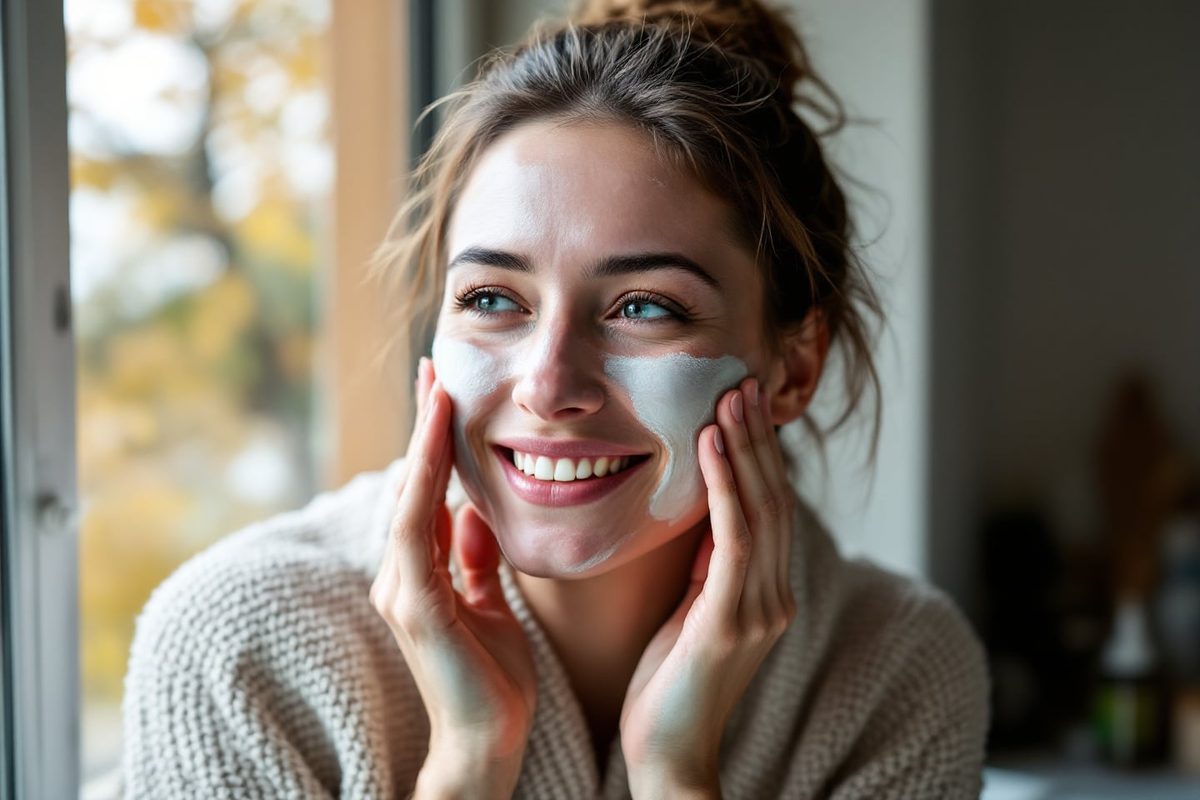
Spray on clean skin, morning and/or night. Let it sit for a few minutes. Then, if your skin needs it, lock in moisture with a gentle plant oil like almond or jojoba. You can also use a cotton pad soaked in the infusion on fragile zones like cheeks, temples, and forehead.
Autumn brings temperature swings. Your skin gets sensitive. Adjust the frequency based on how your skin feels. Start with two to three times a week. Then adapt to your needs.
Why not drink an infusion too? When you nourish from the inside out, the results show on the outside.
Real results on skin texture
Over time, the shift happens. Discomfort fades. Skin texture looks finer. The complexion brightens. The autumn miracle? Waking up to skin that doesn’t feel tight. It feels soft. It feels fresh.
Ditch the feeling of a greasy film or dehydrating thickness that some creams leave behind. Nettle and horsetail provide light but lasting hydration. This is a routine that respects your skin’s biology.
What changes after a few weeks
The difference becomes tangible. Redness drops. Pores tighten. You get that “just slept well” glow. Even more surprising is how little effort is required. It feels like letting nature work its magic.
This return to basics isn’t boring. It feels like freedom. Finally, you can choose products with ingredient lists that fit on a sticky note.
Community experiences with natural alternatives
Skincare forums and social media are full of enthusiastic shares. Women of all ages—curious folks and those tired of heavy marketing—have adopted these rustic rituals. Everyone adapts the usage. Infusion as a toner. Lotion style. Adding homemade oil drops. The common result? A skin rebirth.
There is a communal effect to autumn skincare with nettle or horsetail. The simplicity of the method is what attracts people. So is the responsible management of waste. Less plastic. Less clutter.
Safety limits and precautions
No plant is universal. Even miraculous herbs have limits. Patch test first. Apply a small amount to a discreet area, especially if you have sensitive skin.
If you forage, be careful. Know where the plants come from. Avoid polluted areas.
Preservation is key. Any “minute” homemade preparation must be used quickly. Bacteria don’t wait. Natural beauty is prudent beauty. It is informed beauty.
Reclaiming confidence in nature’s simplicity
Changing your routine isn’t just about swapping products. It’s about realizing that beauty isn’t always at the bottom of a jar. Sometimes it’s in the essentials.
Autumn is shaping the French landscape now. Why not offer yourself the quiet luxury of a bathroom that smells like meadows?
Looking at nature with fresh eyes means embracing minimalism. It means respecting living skin. Nettle and horsetail are more than herbs. They represent a more authentic beauty. One that is connected to what truly matters. And to you.