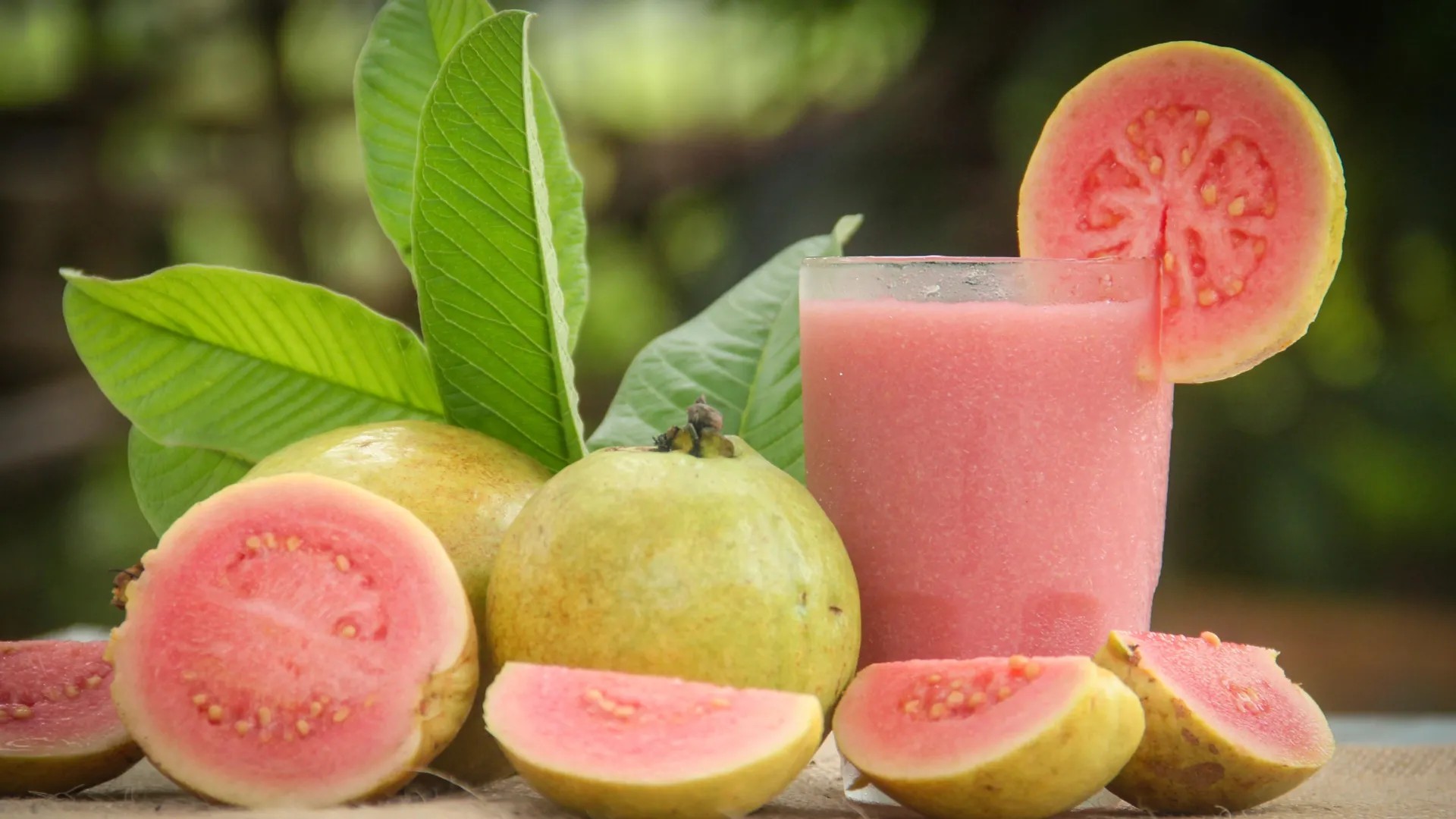
Researchers think guava juice changes the game. It helps your body absorb iron supplements. Not just a little bit. A lot.
The data suggests adding this tropical juice to your regimen boosts hemoglobin levels faster than iron alone. For places where iron deficiency is a constant threat, that is a significant discovery. It could actually save lives. Or at least prevent a lot of exhaustion.
Iron deficiency hits pregnant women and teenage girls the hardest. Especially in developing nations. The toll is heavy. Fatigue. Weakness. Trouble focusing. Worse outcomes during pregnancy. In severe cases, death.
It’s a public health headache that isn’t going away.
The Vitamin C Connection
Why guava? It’s the vitamin C. Lots of it.
Vitamin C unlocks the absorption pathways for iron from plants. Guava is practically loaded with the nutrient. For every 100 grams of fruit, you get up to four times more vitaminC than you would from oranges. That’s not a marginal difference. That’s a multiplier.
There’s more, too. Vitamin A. Folate. Fiber. A touch of iron already baked into the fruit itself.
Smaller trials in Indonesia had whispered about these benefits for years. But the noise was scattered. Until now, nobody had stitched the evidence together.
17 Studies Later
Researchers decided to do the math. They dug through English-language publications going back to the year 2000.
They pulled out 17 eligible studies. Most were quasi-experimental designs—15 of them. Only two were randomized controlled trials, which are usually the gold standard. But still. Enough to build a pattern.
The participants fell into two main buckets. Teenage girls and pregnant women. Six studies looked at the girls. Eleven focused on the women.
When the team pooled the data from 12 of these studies involving 235 participants, the numbers jumped off the page. Hemoglobin levels rose by an average of 1.71 g/dL.
Break it down by group and the trend holds. Girls gained an average of 1.52 g/L. Pregnant women gained 1.84 g/L.
Is it enough to matter? The researchers think so. An increase of one or two points can shift someone from the “mild anemia” category straight to “healthy.” That changes energy levels. It improves cognition. It restores productivity.
Better Than Iron Alone?
This is the critical part.
Five studies pitted iron supplements against iron-plus-guava-juice. Head to head. 102 participants in each arm.
The combination won. The juice drinkers ended up with hemoglobin levels 1.29 g/L higher than those taking the pill alone.
That gap is substantial. But do not ignore the flaws.
All 17 studies took place in Indonesia. The designs varied wildly. Some used different types of guava. Different doses. Different durations. The participants weren’t always alike.
The evidence leans heavily on quasi-experimental data rather than robust clinical trials. And there is no long-term follow-up. Did the benefits stick? We don’t know.
A Public Health Strategy?
Despite the messy methodology, the potential is there.
Guava is cheap. It’s culturally accepted across much of Asia. People already like drinking it. This aligns neatly with the UN’s push for locally sourced, nutrient-dense foods.
The researchers see a path forward. Add it to school lunches. Include it in prenatal care kits. Embed it in community health drives.
Sumantra Ray, a professor and executive director at NNEdPro, nods in agreement but stays guarded.
The study backs up what we already knew. Vitamin C enhances iron absorption. But the variation in design and sample size is troubling.
He warns against declaring victory too early. Without stricter research defining the optimal dose and duration, guava juice shouldn’t replace standard treatment. Yet.
It remains a promising tool. Low cost. High acceptance. Possibly effective.
Just maybe not ready to replace the medicine cabinet entirely.
Not yet anyway.