



Twenty minutes from my apartment in Austin.
Twenty minutes to a different planet.
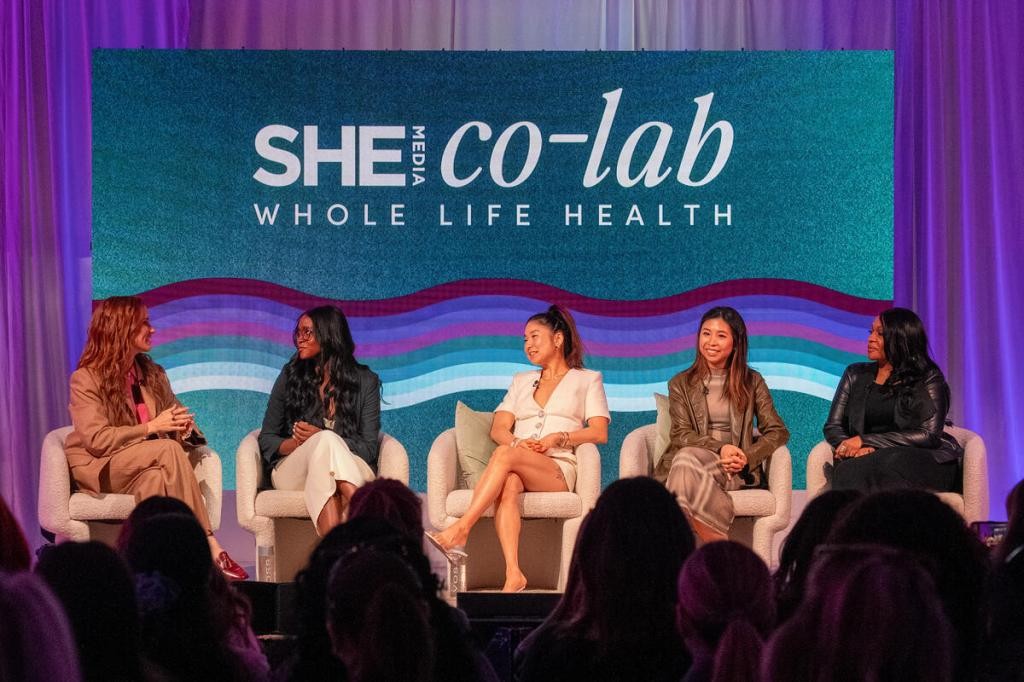
That is what walking into the SHE Media Co-Lab @ SXSW felt like.
I live at the University of Texas. My world is mostly libraries, lab coats, and caffeine.
But this room?
It was pure business-casual chic. Experts debating the future of women’s wellness while looking like they just stepped out of a editorial shoot.
As a bio, anthropology, and digital media student, I couldn’t say no. The pitch promised a deep dive into health.
Not the dry textbook stuff.
The real nitty-gritty. Social, biological, and media layers all tangled up together.
I applied.
I got in.
Walking in with other undergrads felt surreal.
SheKnows Editor-in-Chief Kat Steinberg met us.
The panelists arrived. Moderators followed.
For a second I thought I had walked onto the set of Late Night.
But the energy was different.
Sharper.
More collaborative.
Usually moderators are just traffic cops. Keeping the train on the tracks.
These women knew the material. They argued. They added points.
It wasn’t a Q&A session. It was a dialogue.
We tried to make the event “sticky.” We wanted speakers to linger in your mind without burning you out. — Kat Steinberg
Steinberg’s note on “stickiness” hit home.
I hate lectures. I zone out.
But this format kept me hooked.
No fluff. Just information designed to adhere to your brain.
The Co-Lab in Action
The name is a wink. “Co-Lab” instead of “Collab.”
It fits. Part collaboration, part science experiment.
Speakers came from everywhere.
One woman told us about her battle with cancer.
Her story was brave. Heavy.
But also surprisingly light-hearted. She refused to let the disease darken the room entirely.
A doctor explained endometriosis. Not with jargon, but with clarity.
A panel of health-tech leaders talked about branding.
How can a medical brand be relatable? How can you humanize a company selling your survival?
Breaking the Ice with Tech
The breaks were the highlight for me.
Tables full of new products.
My family has a long history with menopause struggles. It’s a topic we don’t really talk about. Not openly.
So seeing technology designed to help was a relief.
Then there was the VR headset.
I put it on.
An interactive film played out inside my head.
It simulated a woman experiencing menopause symptoms.
It was intimate. Uncomfortable in the best way.
It changed something in my perspective.
When I get to that age it won’t be the dark, silent struggle my older relatives faced.
The work being done right now changes that.
Why are we finally starting to care?
I am a biology major. I like facts. I like mechanisms.
But seeing the intersection of media and biology sparked something else.
Maybe I don’t just want to study the cell. Maybe I want to help design the solution.
The future of women’s health isn’t moving slow.
It is accelerating.
It feels like the gap is closing.
Support is growing. Awareness is spreading.
Future generations won’t accept mediocrity when it comes to their own bodies.
They will demand more.
I’m excited to be there.
Watching it happen.


