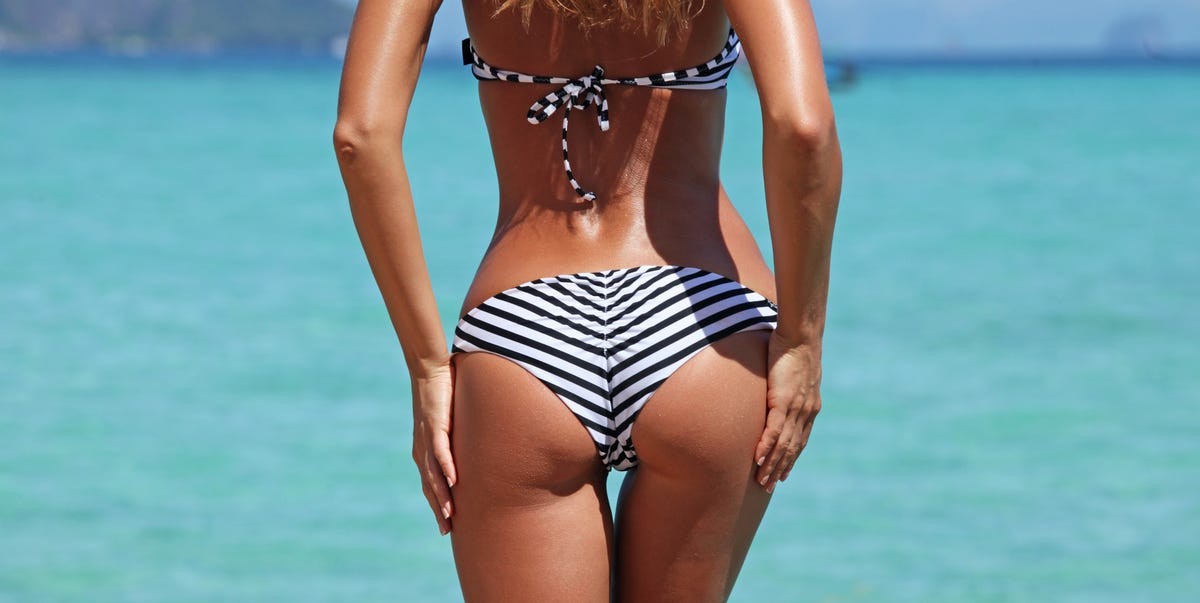
The digital landscape is witnessing the emergence of a new, highly specific beauty standard: “Toblerone tunnels.” This trend, which has begun circulating on social media, suggests that a person’s upper thighs should have enough space between them to fit a triangular Toblerone chocolate bar.
While seemingly trivial, the trend highlights a recurring and problematic pattern in social media culture: the constant evolution of increasingly narrow and unrealistic physical “ideals.”
What are “Toblerone Tunnels”?
The term draws its name from the iconic Swiss chocolate bar, known for its distinct triangular shape. The “trend” posits that a visible gap between the thighs—large enough to accommodate the width of the chocolate—is a marker of a desirable physique.
Social media users have reportedly begun using various celebrities as unofficial benchmarks for this look, though these figures have not endorsed the standard. This follows a long history of similar, often unattainable, body goals, such as the “thigh gap” obsession that dominated much of the previous decade.
The Health and Psychological Impact
Medical professionals are raising alarms about the implications of such hyper-specific beauty standards. The danger lies not just in the physical pursuit of these shapes, but in the psychological toll they take on those who cannot meet them.
Dr. Jennifer Wider, a women’s health expert, warns that these trends are both unrealistic and potentially harmful.
“Everyone’s body is different, and promoting this beauty standard that is impossible for most women to attain only leads to poor body image, self-esteem, and potentially stress and depression.”
Key takeaways from health experts include:
– Biological Diversity: Body structure, including bone width and muscle distribution, is largely determined by genetics. A “gap” is not a universal indicator of fitness.
– Misleading Metrics: Having a significant thigh gap—or lacking one—is not a reliable measurement of a person’s overall health or nutritional status.
– Mental Health Risks: Constant comparison to arbitrary social media “ideals” can trigger disordered eating habits and decreased self-worth.
A Cycle of Social Media Trends
The emergence of “Toblerone tunnels” illustrates a broader trend in digital culture: the fragmentation of beauty standards. As movements like body positivity gain traction, social media algorithms often respond by creating new, highly niche “micro-trends” that set even more specific and difficult-to-reach goals.
This cycle creates a moving target for users, where “perfection” is constantly being redefined, making it nearly impossible for the average person to feel satisfied with their appearance.
Conclusion
The “Toblerone tunnel” trend is a prime example of how social media can manufacture unrealistic body ideals. Experts emphasize that physical anatomy varies widely by individual and that these trends are more a reflection of fleeting internet culture than actual health or beauty.