
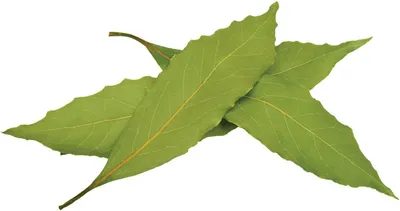
Most home cooks throw a bay leaf into the pot and forget about it. A quiet workhorse for preparing delicious dishes. Strongly fragrant. A little bitter. This is very important if you know what you are doing. But the problem is that not all “bay leaves” are created equal. If you’ve ever wondered why your curry tastes like eucalyptus or why your pasta sauce tastes bad, you might be using the wrong leaves.
The classic bay leaf comes from Laurus nobilis. It is an evergreen tree native to the Mediterranean. It is found growing in the coastal areas of Southern Europe, Asia Minor and North Africa. The leaves are dark green, leathery and oval when fresh. It has a smooth and shiny appearance. After drying, it turns olive. Brittle. It is slightly curled. At this point, the scent changes from herbal to woody. At this point, the flavor begins to develop.
Why bay leaves are important in the kitchen
You probably know bay leaves in marinades, pickles and stews. They don’t melt away. They don’t dissolve. They infuse. The main component of the essential oil is cineole. As a result, it has a unique, slightly spicy taste. It is delicate but long lasting.
“Bay leaves have a rich aroma, but the taste is bitter.”
This bitterness is a feature, not a drawback. It cuts through richness. It helps to balance fat. Adding a few leaves to tomato sauce or beef stew adds depth without sacrificing flavor. However, remove them before eating. They are difficult. sharp. Uncomfortable to chew.
Not all bay leaves are created equal
This is the hard part. The term “bay leaf” is loose. Used on many different plants. If you buy from a store, check the label. The species matters.
The most common varieties you are likely to come across are:
- West Indian bay leaf (Pimenta racemosa ): Tastes like allspice.
- Indonesian Bay Leaf (Syzygium Polyanthum ): Commonly used in Southeast Asian cuisine. More citrusy.
- Indian Bay Leaf (Cinnamomum tamala ): Also called Tej Patta. Tastes like cinnamon and cloves.
- California Bay Leaf (Umbellularia californica ): Stronger aroma. It resembles eucalyptus. Use with caution.
- Mexican Bay Leaf (Litsea glaucescens ): Often used in traditional Mexican cooking for its lemony aroma.
If you want to make a classic French bouquet garni, you need Laurus nobilis. If you’re making Thai curry, Syzygium polyanthum might be a good choice. Mixing these up can ruin the whole dish.
History written in a wreath
Bay trees were always there. The ancient Greeks cultivated them. They were sacred to Apollo. According to mythology, Apollo chased the nymph Daphne. She didn’t want him. She transforms into Laurel and runs away. He made the tree sacred in her honor.
This story is more than just a myth. It shapes culture. Greek athletes wear laurel wreaths to celebrate their victories. Roman scholars and poets received them too. This is a symbol of achievement. high status. Intellect.
The Romans went one step further. Emperor Tiberius wore a hat made of bay leaves during thunderstorms. He believed it would protect him from lightning. The priestesses of the Temple of Apollo at Delphi ate the leaves before prophesying. Some researchers believe that mildly narcotic properties help induce a trance state.
People plant laurels near their homes to ward off misfortune. In Israelite traditions, they symbolize victory. In France, they honored intelligence. According to Chinese folklore, water infused with bay leaves is believed to cleanse negative energies. Symbolism is universal. protect. success. Clarity.
From the spice trade to your pantry
Laurels grow in warm climates, so they don’t grow everywhere. But people want them. Traders dried the leaves and shipped them to colder regions of Europe and Asia. Long before European colonialism brought spices to America, they were an important part of the spice trade.
Now you can buy it dried at any grocery store. If you live in a warm area, you can also grow your own. Prefers moist, well-drained, sandy soil. Partial shade is best. It is also decorative. beautiful. evergreen.
How to use them correctly
You don’t need much. Usually 2-3 leaves per quart of liquid is enough. Too much makes food bitter. High oil content.
Will add it soon. Make it steep. It takes time to develop a taste. Remove before serving. It won’t be soft. They don’t become edible. It’s like a tea bag for savory dishes.
And remember: check the species. If your recipe calls for “bay leaves” but you’re cooking Indian food, look for Cinnamomum tamala.
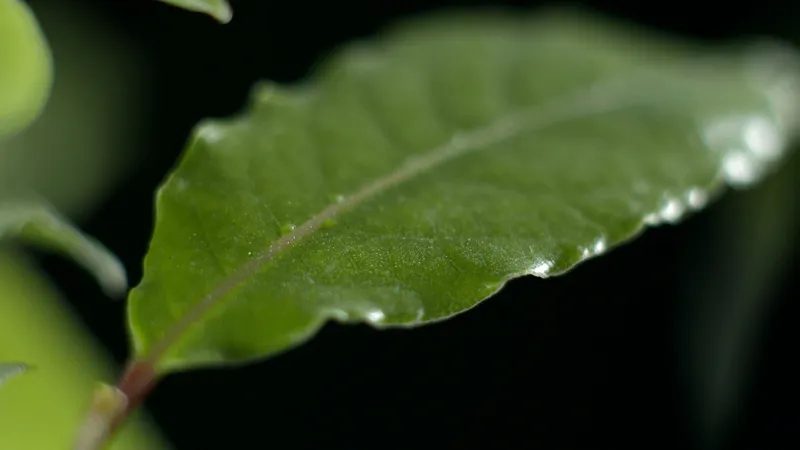
Beyond the Bouquet: Why bay leaves belong in the closet
We throw them in the jar and forget them there. Bay leaves are often considered an afterthought, small, dry, hard tokens tossed into a stew for a fragrant aroma that you never eat. But this humble leaf does the heavy lifting. It’s not just a matter of taste. It’s all about chemistry.
In the kitchen, bay leaves slowly release essential oils. The key is to let go slowly. Add depth to soups, stews and curries that salt alone cannot provide. It is found in French bouquet garni in French. It supports garam masala in India. It is part of countless Mediterranean blends. However, you must follow these rules: Remove before serving. The texture is leathery. The edges may be sharp. No one wants to bite into dry skin.
It’s not just the taste
These benefits extend far beyond the table. Bay leaves have been revered in traditional medicine since ancient times. It is highly valued for its anti-inflammatory and antibacterial properties. High antioxidant content. People use it to relieve indigestion. Helps treat colds. Congestion eases. Some people use it to treat joint pain.
Some of these claims are backed up by science. Studies show that it can help regulate cholesterol. Can improve sugar metabolism. This can help control diabetes. This is an important aspect for health. Most of us think of it as gravy.
Calming effect
Burn it. Yes, really. Burning bay leaves is believed to have a calming effect. Why? Linalool. This compound is known for its ability to reduce stress. The scent is subtle. Not as strong as lavender. It’s Earthy. Grounding. Ideal for everyday life where a little quiet is needed.
Practical usage you don’t know
Keep a jar in your pantry. Not suitable for cooking. For protection. Bay leaves have natural insect repellent properties. Store with grains. Prevents pests such as cockroaches and moths. It’s a simple, chemical-free defense.
It is also in the bathroom cabinet. Bay leaf extract is included in cosmetics and skin care products. This essential oil is used in perfumes. soap. aromatherapy products. Smell is part of this field.
The next time you buy spices, don’t forget the bay leaf. Buy some. Use it for cooking. Remove before serving. Maybe burn one at night. Or hide it in a rice bin. It’s a small thing. But it’s does more than you think.