

You can’t scroll through social media or flip through a magazine without seeing another name attached to the low-carb movement. We’re talking Atkins Diet, South Beach Diet, Hampton’s Diet, and the 30-day Low-carb Diet Solution. It’s not just celebrities shedding pounds anymore. Your mailman lost weight on it. That colleague who suddenly has more energy? Probably on one. Maybe you’re even testing the waters yourself while reading this.
The divide is stark. Some swear it’s a dietary revolution. Others dismiss it as the latest fad destined to fade like bell-bottoms. The medical establishment has long preached the gospel of balance: complex carbs, tons of fiber, veggies, and limiting red meat and fats. Low-carb plans flip that script entirely. So, which side holds the truth?
To figure out if this lifestyle fits your life, we need to strip away the hype. We’re looking at what carbohydrates actually do, the core logic behind slashing them, and the confusing concept of “net carbs.” The market is shifting to meet this demand. Grocery aisles and restaurant menus are rearranging themselves for the low-carb crowd. While someone on a strict low-calorie plan might feel stranded at a drive-thru, the low-carb dieter often has options. Let’s break down how to stick to the plan when you’re on the go, and why the fast-food industry is suddenly playing nice.
What is Low-Carbohydrate Dieting?
At its simplest, a low-carbohydrate diet restricts the intake of sugars and starches. This includes breads, pasta, rice, and sugary fruits. The goal isn’t just weight loss, though that’s the primary driver for most. It’s about changing how your body burns fuel. Instead of running on glucose from carbs, the body switches to burning stored fat. This metabolic shift is what creates the buzz. But understanding how that works requires looking beyond the label.
It’s been over forty years since Dr. Robert Atkins first shook up the diet world. Back in 1972, his book Dr. Atkins New Diet Revolution offered a radical alternative to the calorie-counting fads of the era. Instead of just eating less of everything, Atkins argued for a specific pivot: cut the carbs.
Low-carb diets have come and gone, only to return with renewed vigor. With endless new products, menus, and recipe books flooding the market, the trend shows no signs of slowing down. If you’re still on the fence, you might be asking the basic question: what are carbohydrates, and how does limiting them actually help you drop pounds?
Understanding Carbohydrates and Energy
You’ve heard the terms “carbohydrates” and “complex carbohydrates” a million times. They are in rice, pasta, bread, crackers, cereal, fruits, and vegetables. But think of them as your body’s primary fuel source. Imagine a car engine. It needs gas to run. Carbs are that gas for your cells.
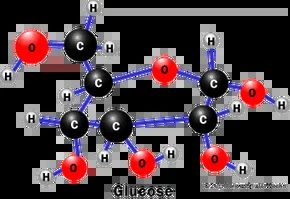
The simplest form is glucose, also known as blood sugar or dextrose. It circulates in your bloodstream, delivering energy to every cell in your body.
The name itself gives a clue. Glucose is made of carbon and water. Six carbon atoms bonded with the elements of six water molecules. It’s a simple sugar, which is why it tastes sweet to our tongues. But glucose isn’t the only player. There are other simple sugars you know by name:
- Fructose
- Galactose
- Lactose
- Sucrose
- Maltose
Scientists group these into families. Glucose, fructose, and galactose are monosaccharides (single sugar units). Lactose, sucrose, and maltose are disaccharides (two sugar units stuck together). Together, they make up simple carbohydrates. When you look at the “Nutrition Facts” label on a package and see “Sugars” listed under carbohydrates, that’s what you’re looking at.
Then there are complex carbohydrates, often called starches. These are long chains of glucose molecules. Plants store energy this way. They produce glucose and link it together to form starch. Grains like wheat, corn, oats, and rice are high in starch. So are potatoes and plantains.
Your digestive system has to break these chains back down into individual glucose molecules before they can enter your bloodstream. This takes time. Compare that to a can of soda. If you drink soda, glucose hits your bloodstream at a rate of about 30 calories per minute. A complex carb? It trickles in at roughly 2 calories per minute.
Complex carbs can be high in fiber, like broccoli, or low in fiber, like bananas or potatoes. The speed of digestion matters. Slow is generally better for stability.
Beyond Carbs: The Full Fuel Picture
Carbs aren’t the only fuel your body uses. It also burns protein and fat.
Protein comes from red meat, poultry, fish, and cheese. Fat is in dairy products like butter and cream, as well as mayonnaise and oils. A low-carb diet doesn’t just mean cutting bread and pasta. It means shifting the balance. You restrict carbs and increase intake of protein, healthy fats, and good carbs like high-fiber vegetables.
The goal isn’t starvation. It’s a shift in how your body accesses energy.
Why Count Carbs?
You might wonder why tracking this specific nutrient matters more than others. It comes down to insulin and energy storage.
When you eat simple carbs, glucose spikes in your blood. Your pancreas releases insulin to manage the sugar. High insulin levels signal your body to store fat. By limiting carbs, you keep insulin levels lower. This encourages your body to burn stored fat for energy instead of relying on the constant stream of glucose from food.
It’s not just about weight loss. Many people on low-carb plans report more stable energy levels throughout the day. No afternoon crash. No sugar highs and lows.
But is it sustainable? That’s the real question.
Some find it restrictive. Others find it liberating. The key is finding the balance that works for your body. It’s not one-size-fits-all.
Consider your own relationship with food. Do you crave carbs? Do you feel better when you eat less of them? There’s no judgment here. Just observation.
If you’re curious, start small. Swap white rice for cauliflower rice. Choose whole grains over refined ones. Notice how you feel. Your body might surprise you.
The science is clear on the mechanics. The application is personal. What works for one person might not work for another. Experiment. Listen to your body. Adjust as needed.
It’s not about perfection. It’s about progress. And sometimes, progress looks like a simple plate of vegetables and protein.
The mechanism behind low-carb weight loss is often misunderstood as magic. It’s not. It’s physiology. The core theory is straightforward: not all carbohydrates behave the same way in your body. Some send your blood sugar into the stratosphere. Others keep it stable. By minimizing those spikes, you stabilize your appetite.
Consider the cycle of the sugar crash. You eat a high-carb lunch. Your blood sugar surges. Your body releases insulin to manage it. Then, the crash. You’re hungry again before dinner. So you grab a candy bar. More sugar. More insulin. More hunger. It’s a vicious loop. Low-carb diets break this cycle. They prioritize foods like meat, cheese, and fibrous vegetables. These foods don’t trigger the same roller coaster. They keep you full. They keep your blood sugar steady.
The Pyramid War: USDA vs. Atkins
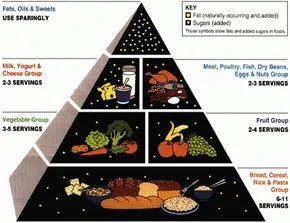
The standard dietary advice has long been built on a foundation of grains. The USDA Food Pyramid, for decades, sat at the base with a recommendation of six to eleven servings of carbohydrates daily. It was a map that told us to eat our way to health through bread, pasta, and cereal.
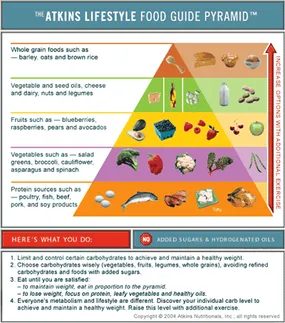
Low-carb proponents threw that map out. Look at the Atkins Food Guide Pyramid. It flips the script entirely. Instead of grains forming the base, it places fats and proteins at the foundation. Vegetables take center stage. Carbohydrates? They move to the top, reserved for sparing use.
Why does this shift matter? Because it changes how your body fuels itself. When you remove the constant stream of easy carbs, your body is forced to look elsewhere for energy. It starts burning fat. It becomes efficient. Not just at storing it, but at releasing it.
The Insulin Factor
Insulin is the key player here. When you eat carbs, insulin rises. It tells your cells to take in glucose. If you don’t use it, it gets stored as fat. Insulin also blocks fat burning. It’s a switch. High insulin means no fat loss. Low insulin means fat burning can happen.
Low-carb diets lower insulin levels. Constantly. By reducing the carbohydrate load, you reduce the insulin signal. The switch flips. Your body shifts from storage mode to burn mode.
“Insulin is the fat-storage hormone. When it’s low, fat burning is possible. When it’s high, fat burning is blocked.”
This isn’t just theory. It’s biochemical reality. You can’t burn fat effectively when insulin is high. You have to lower it. Eating less carbs does exactly that.
Hunger Cues Rewired
The hunger signal changes too. Carbs, especially refined ones, can leave you hungry shortly after eating. Why? The blood sugar spike and subsequent drop. Your body thinks you’re starving. It sends signals. You eat. The cycle continues.
Protein and fat, on the other hand, are satiating. They digest slowly. They keep you full. You don’t feel the urge to snack. You don’t feel the mid-afternoon slump. You just eat when you’re hungry. And you stop when you’re full. It’s simpler. More intuitive.
The USDA pyramid assumed we’d control weight by eating less fat. Low-carb argues we should control weight by eating less
The Net Carb Math You Actually Need to Know
Traditional nutrition guides might have you obsessing over total carbohydrate counts. That approach is outdated. In the low-carb world, specifically within frameworks like the Atkins diet, what matters isn’t the total number on the label. It’s the net effective carb count. Why? Because not all carbohydrates impact your blood sugar equally. Fiber and certain sugar alcohols don’t spike glucose the way starches or sugars do. So, if you want to stay in ketosis or manage your insulin levels, you need to calculate net carbs.
The formula is simple. You take the total carbohydrates listed on the nutrition label and subtract the grams of dietary fiber and sugar alcohol. Here is how that looks in practice.
Take a small can of roasted, salted almonds sitting on my desk. One quarter-cup serving lists:
- Total Carbs: 5 grams
- Dietary Fiber: 3 grams
- Sugars: 1 gram
- Protein: 6 grams
To find the net carbs, you ignore the sugar for a moment and focus on the fiber. Subtract the 3 grams of fiber from the 5 grams of total carbs. That leaves you with 2 net carbs. If the product contained sugar alcohol, you would subtract that amount as well.
Now look at a processed option, like a CarbSelect Pria Power Bar. The label looks intimidating at first glance:
- Total Carbs: 21 grams
- Dietary Fiber: 2 grams
- Sugar Alcohol: 17 grams
- Sugars: 1 gram
A traditional dieter might see 21 grams and panic. A low-carb dieter sees the math. Add the fiber (2g) and sugar alcohol (17g) to get 19 grams. Subtract that from the 21 grams of total carbs. The result? 2 net carbs. The snack is still tasty, but it won’t derail your diet.
How to Eat Low-Carb When You’re Running Errands
Knowing how to read labels is half the battle. The other half is having the patience to do it while you are rushing between dry-cleaning drop-offs, bill payments, and back-to-office commutes. Let’s be honest. When you are busy, calculating macros feels impossible. The temptation to grab the nearest fast-food drive-thru is strong. In the past, this would have ended your diet progress. Today, however, you have options.
Many fast-food chains have adapted to the low-carb consumer demand. You don’t need to pack a bento box every time you leave the house. You just need to know what to order.
Navigating Fast Food Without Breaking Your Diet
You can still eat out. You just have to be strategic. Most standard menu items are loaded with bread, buns, and sugary sauces. These are the traps. Instead, look for proteins that are grilled or roasted rather than fried in batter. Ask for lettuce wraps instead of buns. Swap fries for a side salad, but skip the croutons and the high-calorie dressing.
“Today’s low-carb consumer doesn’t have to ditch their diet; fast food restaurants around the country are stepping up to the plate and dishing out some handy low-carb alternatives.”
This shift isn’t about willpower alone. It’s about knowing that the landscape has changed. You no longer need to cook every meal from scratch to stay on track. The infrastructure for low-carb eating is already there. You just have to look for it.
Where to Start on the Menu
If you are sitting in a car, waiting to order, don’t guess. Think in terms of net carbs. A burger without the bun is essentially a protein and fat meal. A grilled chicken sandwich without the mayo or the bun is similar. The key is avoiding the hidden sugars in sauces and the empty carbs in the bread.
It’s not about perfection. It’s about making choices that keep your blood sugar stable. You can still enjoy the convenience of takeout. You just need to know how to strip away the carbs that don’t matter to your goals.
The question isn’t whether you have time to eat healthy. It’s whether you know what to order when you don’t. Most places have the ingredients. They just aren’t labeled as “low-carb” on the main board. Look for the protein. Avoid the bread. Watch the sauce. It’s that simple.
Or is it? Some places hide carbs in unexpected places, like in the seasoning on their fries or the glaze on their chicken. That’s why checking the specific item’s nutritional info, if available online, can save you a mistake. But usually, sticking to whole, unprocessed components on the plate is enough.
You’re already
Choosing Your Carb Counter Plate
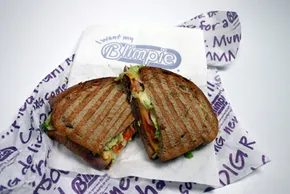
Let’s be honest: fast food is about convenience. It’s a meal wrapped in an edible package, ready in minutes. But for anyone watching their carb intake, that wrapper is the enemy. Regular bakery bread is essentially a sugar bomb in disguise. So, when the low-carb craze hit, chains like McDonald’s, Subway, Burger King, Arby’s, and Blimpie scrambled to adapt. Blimpie’s approach is interesting because they didn’t just dump the bread for salad. They kept the sandwich.
The company has spent forty years building a brand on fresh-cut meat and cheese on freshly baked rolls. To serve salads exclusively would alienate their core customer base. Instead, Blimpie went to the heart of the problem. They replaced the standard loaf with a low-carb bread option. This allows you to keep the sandwich experience intact while stripping away the heavy carb load. It’s a pragmatic pivot. You get the texture and the satisfaction without the glycemic spike.
What’s on the Blimpie Carb Counter
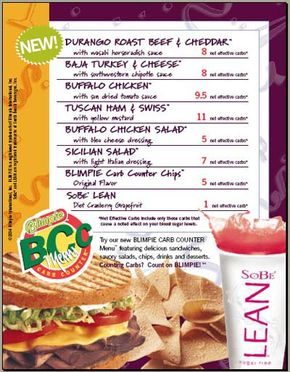
The menu is straightforward. There are four sandwiches and two salads, all built on a 7-grain onion low-carb bread. Here is the breakdown of net effective carbs, which is the number that actually matters for your blood sugar and ketosis.
- Durango Roast Beef & Cheddar Sandwich : Served with wasabi horseradish sauce. 8 net carbs.
- Baja Turkey & Cheese Sandwich : Comes with southwestern chipotle sauce. 8 net carbs.
- Buffalo Chicken Sandwich : Paired with sun-dried tomato sauce. 9.5 net carbs.
- Tuscan Ham & Swiss Sandwich : Uses yellow mustard. 11 net carbs.
If you prefer going sans-bread, there are two salad options:
- Buffalo Chicken Salad : With bleu cheese dressing. 5 net carbs.
- Sicilian Salad : With light Italian dressing. 7 net carbs.
You can also add sides. Blimpie offers Carb Counter Chips, which are made from soy rather than potatoes. That adds just 5 net carbs. For drinks, the SoBe Lean Diet Cranberry Grapefruit beverage has only 1 net carb.
Planning Within Your Daily Limits
Where does this fit into your larger diet? It depends on the phase you’re in. If you’re in the strict induction phase of Atkins, you’re capped at 20 grams of carbs per day. In that case, the Buffalo Chicken Salad is your safest bet. At 5 grams, it leaves you 15 grams for snacks or another meal. It’s tight, but it works.
For those who have hit their goal weight and are in the maintenance phase, the rules loosen up. The average person needs between 40 and 80 grams of carbs to maintain weight. This gives you much more flexibility. You can stack items. For instance, you could order the highest-carb sandwich, the chips, and a drink, and still stay well under your limit.
Let’s look at the math for a Tuscan Ham & Swiss sandwich with chips and a drink:
- Tuscan Ham & Swiss Sandwich: 11 net carbs
- Carb Counter Chips: 5 net carbs
- SoBe Lean Diet Drink: 1 net carb
- Total: 17 net carbs
That’s a full meal for under 20 carbs. Easy.
Small Tweaks, Big Differences
You can shave even more carbs off these numbers if you pay attention to the condiments. Sauces are where the hidden carbs live. A swap of wasabi horseradish for plain mayonnaise can save you a couple of points. Skip the SoBe drink entirely. Switch to ice water, unsweetened tea, or a diet soda. That saves another carb.
There is also a rumor swirling about a brownie. Blimpie reportedly offers a chocolate brownie made with sugar alcohol. The claim is that it has zero net carbs. Zero. Zilch. If that holds up, it’s a game-changer for dessert cravings. But be skeptical. Sugar alcohols can still affect digestion. Test it carefully.
DIY Low-Carb Convenience
Not everyone lives near a Blimpie, Arby’s, or Subway. You don’t need them to get the same convenience. You can replicate this at home. Go to your local grocery store. Hit the deli counter for fresh-cut meat and cheese. Grab the veggies—lettuce, tomatoes, peppers, cucumbers, sprouts. Pick up a loaf of low-carb bread. You might even find soy chips in the health food aisle.
It’s the same assembly line. Just faster. And cheaper.
The point isn’t to demonize fast food. It’s to make it work for you. The industry is adapting. You have options. The bread is gone. The carb count is visible. Now it’s just about discipline. And maybe a little mustard.
“The fast-food industry is one of convenience… what if anything, could be more convenient than a sandwich?”
The shift towards low-carb fast food is real. It’s not a gimmick. It’s a response to demand. And as long as people want their sandwiches without the starch, the menus will keep evolving. Keep an eye on the net carbs. Ask about the sauces. Build your meal. Then eat it. Fast.