



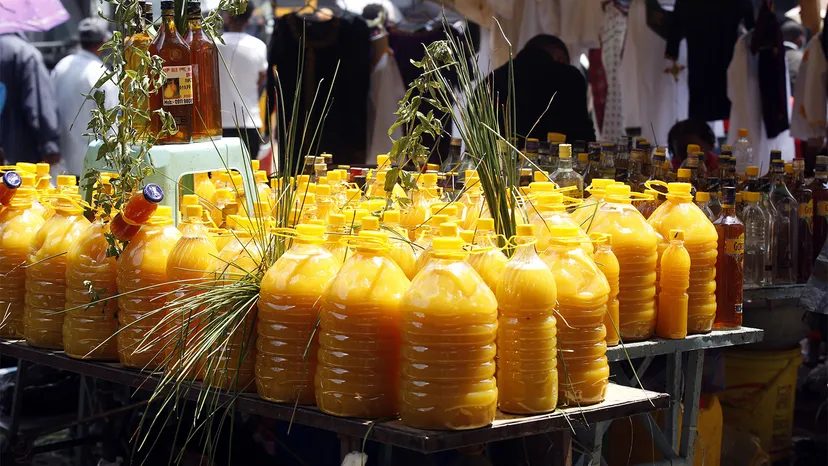
Alcohol has long been a part of human history. Some believe it began 100,000 years ago. People make it by fermenting what grows nearby. Honey is the most important ingredient in Ethiopia. It is the largest producer in Africa. It produces 45,000 to 50,000 tons per year. They use it to make tej. This is mead. It is a mixture of honey, water, yeast and turmeric. Gesho is a small shrub. This drink has been around since ancient times.
A drink older than most civilizations
According to the history books, this might be the oldest alcoholic drink. The Aksumite Empire ruled from 100 to 940 B.C.. They drink it ritualistically. They consumed it by both nobles and soldiers. In the 20th century, things changed. It’s not just for the wealthy anymore. Today, most people make it at home. It is a staple for most Ethiopians.
Who makes and who drinks it?
Today you can find tej bets. These are mead houses. Locals go there to chat. They catch up on news. They are drinking with friends. However, the rules are strict. Women own the bars. Men come to them. Women do not make this drink. Men do not serve it. There is a culture that says women shouldn’t go to bars. Men do not brew tej. The lines are clear.

The Simple Alchemy of T’ej
You only need four things to make traditional Ethiopian honey wine. Honey. yeast. water. And gesho.
that’s it. No complex brewing apparatus required. No special grains from three different continents. Just mix these four ingredients and let it sit for 3-4 weeks.
The secret weapon here is gesho (*Rhamnus prinoides). Even if you don’t know the name, you might know what it does. In English it is called shiny-leaf buckthorn. This is an African shrub used for everything from medicine to religious ceremonies. Botanically? This has nothing to do with hops. But what about functionality? It does the heavy lifting.
Gesho cuts the sugar. It has a sharp acidity and bitterness that is balanced with the sweetness of honey. Fermentation also begins. Without it, you’re just drinking sweet honey water. Then the alcohol comes in.
Most people improvise. They regulate proportions. They tweak the wait time. But the basics remain the same.
How to drink
Traditionally, you don’t drink this warm. You chill it.
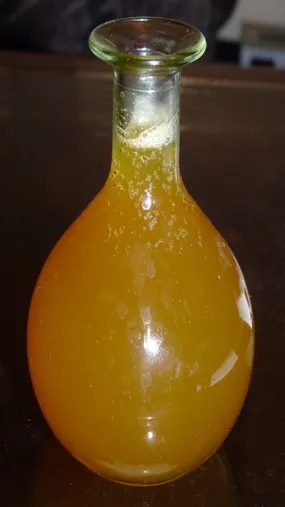
Pour it into the berele. Think of a glass cup. It looks like some sort of chemistry lab, but it’s a cultural necessity. The liquid inside is yellow-orange. It is very sweet. It’s boozy.
And it loves spice.
If you like typical Ethiopian dishes like berbere spiced stews or fiery injera, tej will calm you down. This counterweight is counterweight to heat. You don’t need to fly to Addis Ababa to have this experience.
Where can I find it?
You can make it at home. There are several recipes online to guide you through the sourcing and fermentation schedule of Gesho. Or you can find it in Ethiopian restaurants. If you have one nearby, order a bottle. It’s a taste of history. One of the oldest alcoholic beverages on earth.
Unexpected connection
Recipes aren’t just stuck in the past; This also exists in American craft beer culture.
In 2010, Dogfish Head in Delaware did something weird. They combined t’ej and Imperial Stout. Why? Celebrating the 40th anniversary of Miles Davis’ “Bitches Brew”. 1970 Jazz Fusion album. It was a strange, boozy tribute.
It shows that style can spread. It adapts. But the core is still a mixture of honey, geho and yeast. Simple. Ancient. strong.
Try it. until it’s not, it’s a strange balance.


