
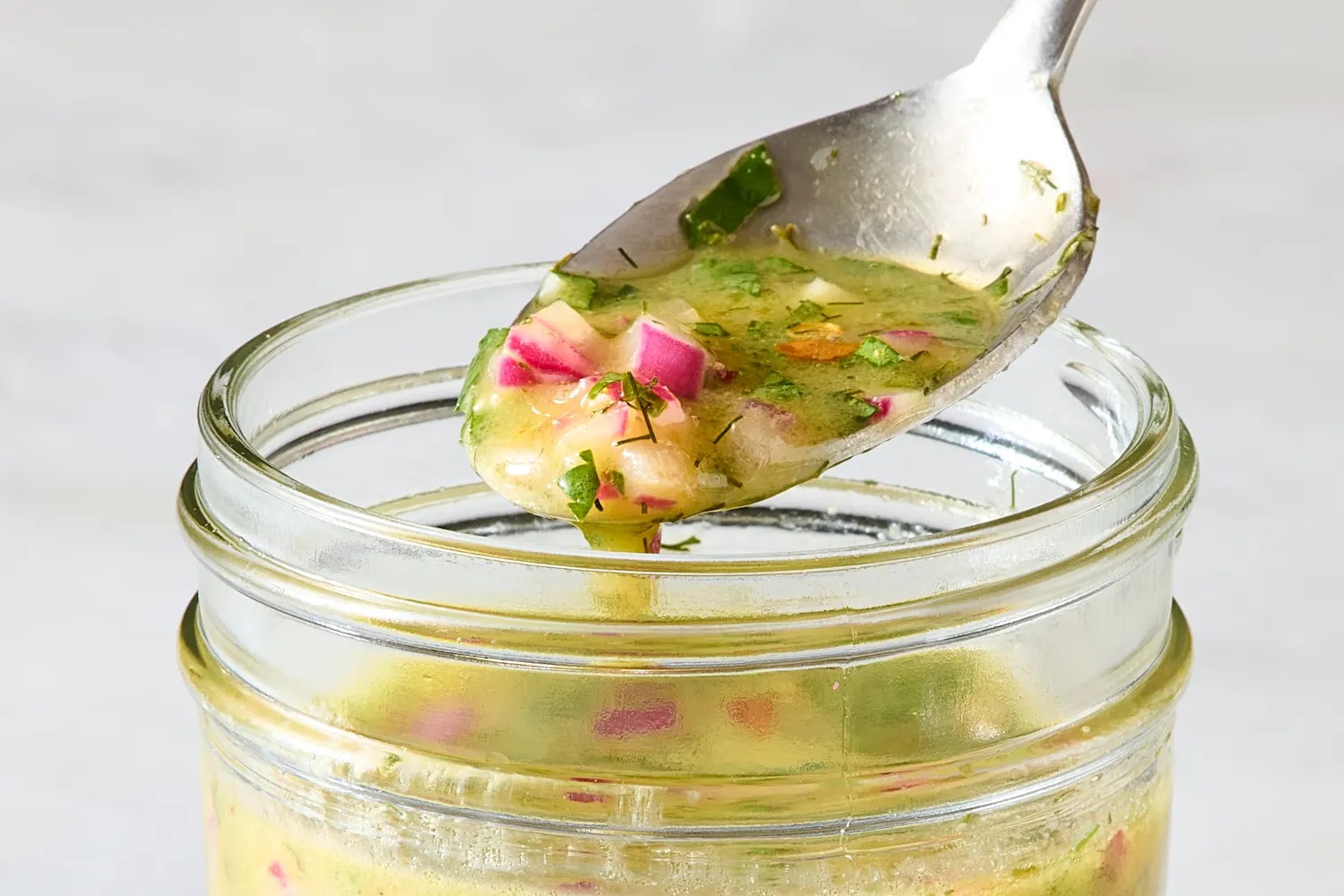
Pasta salad is a staple of spring picnics and summer barbecues, often sharing the table with baked beans and coleslaw. Yet, despite its popularity, it frequently suffers from a poor reputation. Many diners find it bland, overly oily, or soggy—a disappointment that often stems not from the ingredients themselves, but from the dressing.
The key to transforming this side dish lies in a simple but critical adjustment: the ratio of oil to vinegar.
The Science Behind the Flavor
Most standard vinaigrettes rely on a 2:1 or 3:1 ratio of oil to vinegar. This balance works beautifully for leafy greens, where the oil coats delicate leaves without overwhelming them. However, pasta is dense and starchy. When dressed with a high-oil vinaigrette, the result is often a heavy, greasy texture that masks the flavors of the vegetables and cheese.
The solution is a 1:1 ratio of extra-virgin olive oil to white wine vinegar. This equal balance creates a tangier, brighter profile that cuts through the richness of the pasta and prevents the dish from feeling weighed down.
“If you think you don’t like pasta salad, it’s probably because most versions are bland and oily. This dressing changes all of that.”
Key Ingredients and Their Roles
This recipe relies on a handful of specific ingredients to build depth and texture:
- White Wine Vinegar: Unlike distilled white vinegar, which can be harsh, white wine vinegar offers a bright, tangy acidity derived from fermented wine.
- Red Onion: Finely minced, red onion provides a sharp, savory bite. Tip: Use a sharp knife and consider wearing goggles if you are sensitive to onion fumes.
- Fresh Parsley: This herb adds a fresh, grassy note and retains its vibrant green color even after mixing.
- Dried Dill: A small amount (1 teaspoon) contributes an earthy, lemon-like complexity that complements the vinegar.
- Dijon Mustard: Beyond its mild, savory flavor, Dijon mustard serves a crucial functional role as an emulsifier. It helps bind the oil and vinegar into a unified, creamy dressing rather than a separated liquid.
How to Make It
This dressing is designed for speed and simplicity, requiring only five minutes of prep time.
Ingredients:
– 1/4 cup minced red onion (from 1/4 large onion)
– 1/4 cup extra-virgin olive oil
– 1/4 cup white wine vinegar
– 2 cloves garlic, minced
– 2 tablespoons finely chopped fresh parsley leaves
– 1 teaspoon Dijon mustard
– 1 teaspoon dried dill
– 1 teaspoon kosher salt
– 1/4 teaspoon red pepper flakes
Instructions:
1. Combine all ingredients in a jar with a tight-fitting lid.
2. Seal the jar and shake vigorously until the mixture is emulsified and creamy.
3. Alternative: Whisk all ingredients together in a small bowl until well combined.
Serving and Storage
This recipe yields approximately 1/2 cup of dressing, which is sufficient to coat 12 ounces of dried short pasta (cooked according to package directions).
- Make Ahead: The dressing can be prepared up to one day in advance. Store it in an airtight container in the refrigerator.
- Storage: Leftovers will keep in the refrigerator for up to five days.
- Customization: Use this dressing as a base for your favorite mix-ins. Chopped vegetables, briny cheeses, cured meats, and different pasta shapes all pair well with this tangy, savory profile.
Why This Matters
By shifting the focus from a heavy oil-based dressing to a balanced, acidic vinaigrette, this recipe addresses the most common complaints about pasta salad. It proves that with the right foundational flavors, even skeptics can enjoy a bright, satisfying side dish that holds up well at warm-weather gatherings.
In short: A 1:1 oil-to-vinegar ratio, combined with fresh herbs and proper emulsification, turns a potentially greasy side dish into a vibrant, restaurant-quality staple.