



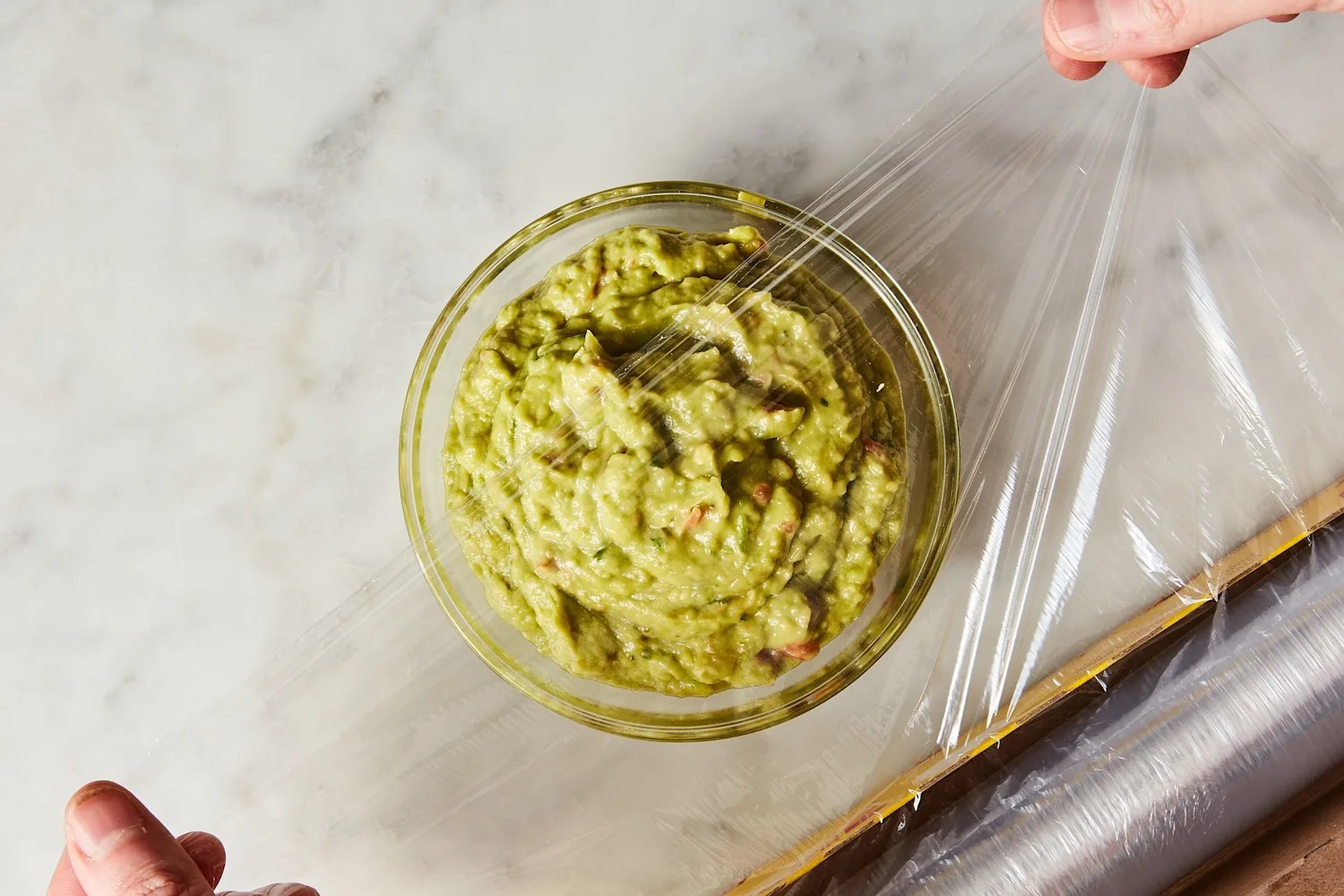
Storing leftovers is a daily ritual for most households, but the materials we use to seal our food—specifically plastic wrap and aluminum foil—come with hidden trade-offs. While these convenience items are staples in kitchens worldwide, recent scientific insights suggest that what you wrap matters just as much as how you wrap it.
James Rogers, Director of Food Safety at Consumer Reports, emphasizes that neither material is universally superior. Instead, the safety of your storage depends on the chemical interaction between the packaging and the specific type of food being stored. Understanding these interactions can help prevent unwanted chemical leaching into your meals.
The Risks of Plastic Wrap
Plastic wrap is often the go-to choice for its ease of use, but it poses specific risks when in contact with certain foods.
- Fatty Foods are a No-Go: The primary concern with plastic wrap is chemical leaching. Fatty foods, such as cheese, meats, or oily sauces, can act as solvents, pulling chemicals from the plastic into the food.
- Heat Increases Danger: Heating food while it is still wrapped in plastic significantly increases the likelihood of chemical transfer. This is particularly dangerous if the wrap is in direct contact with the hot surface of the food.
- Not All Plastic is Created Equal: It is crucial to distinguish between commercial and household plastics. Commercial wraps often contain polyvinyl chloride (PVC) and additives like phthalates or BPA, which are linked to harmful health effects. Most household plastic wraps, however, are made from polyethylene, which generally lacks these specific additives.
Expert Tip: When shopping for plastic wrap, look for labels that explicitly state “BPA-free” or “phthalate-free” to ensure you are using the safer polyethylene variety.
The Hidden Dangers of Aluminum Foil
Aluminum foil is often perceived as a “natural” alternative to plastic, but it carries its own set of chemical risks, particularly when exposed to heat or reactive ingredients.
- Reactive Ingredients: Aluminum is a reactive metal. When it comes into contact with acidic or salty foods, a chemical reaction occurs that causes aluminum to leach into the food. Common culprits include tomatoes, citrus fruits, and vinegar-based marinades.
- Sensory Changes: This leaching process doesn’t just pose a potential health concern; it can also alter the taste and appearance of your food, often resulting in a metallic flavor or discoloration.
- Heating Concerns: While you should never microwave aluminum foil, using it in the oven for baking or reheating can also facilitate chemical transfer, especially if the food is acidic or salty.
How to Store Leftovers Safely
To minimize exposure to potentially harmful chemicals, experts recommend a few simple adjustments to your storage routine:
- Match the Material to the Food:
- Use aluminum foil for fatty foods (like meats or cheeses) where plastic might leach chemicals.
- Use plastic wrap for acidic or salty foods (like tomatoes or citrus) where aluminum would react.
- Minimize Contact: Whenever possible, avoid having the wrapping material touch the food directly. For example, wrap the top of a dish loosely so the foil or plastic covers the container without pressing against the food itself.
- Limit Storage Time: The longer food sits in contact with packaging materials, the higher the risk of chemical leaching. Store leftovers for the shortest time necessary.
The Superior Alternative: Glass Containers
If you are looking for the safest option, glass containers are the clear winner. Unlike plastic or aluminum, glass is non-reactive and does not leach chemicals into food, regardless of acidity, saltiness, or heat. They are safe for reheating in the oven or microwave and provide a durable, long-term solution for food storage.
The Bottom Line: While plastic wrap and aluminum foil are convenient, they are not without risks. Fatty foods should be kept away from plastic, and acidic foods should be kept away from aluminum. For the safest, most versatile storage solution, investing in glass containers is the best choice for long-term health and food quality.


