Every night is the same fight. You pull the rubber band, pull at the roots and watch a handful of strands break. Then comes the time-consuming torture of untangling a knot that hurts. When the heat of summer arrives, a stylish ponytail seems to be the only stylish way to keep your neck free. But when this daily ritual turns into a critical scalp event, the culprit may not be your hair, but your choice of accessory.
How classic rubber bands damage hair fibers
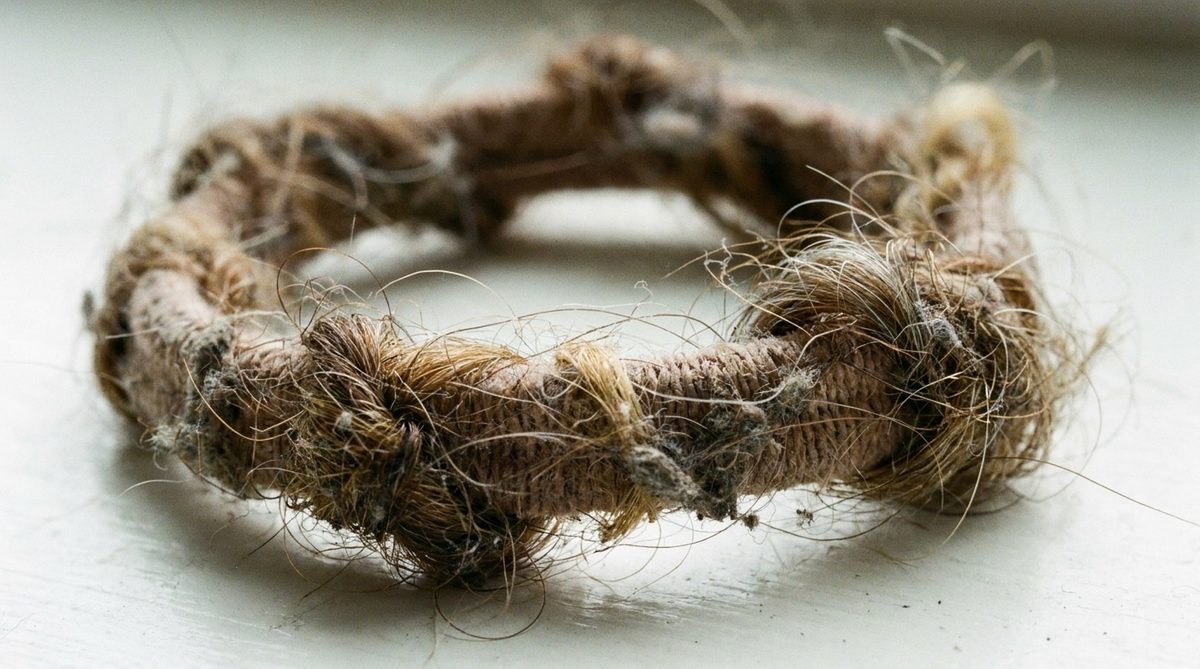
A regular elastic band, especially ones with a small metal clasp or a rough, textured coating, is basically the enemy to your lengths. With each use, the fabric rubs the cuticle of the hair and weakens it from the inside out. The metal component is even worse. It moves the strands until they inevitably give way under the pressure. Result? Unruly frizz and split ends will ruin your efforts to freshen up your look with the season.
Why silk is the stylist’s secret to slip-free styles
To keep the crown bright and healthy, silk is still the gold standard. It is the real answer to the friction problem. This natural fiber is incredibly soft. It prevents the friction that causes knots to form in the first place. The accessory glides over the hair without ever attacking the strand. With this sophisticated option, you can tie up your hair with rare finesse. You get a look that is both stylish and respects the hair structure.
Satin: an affordable, environmentally friendly alternative to silk
Although silk feels luxurious, Satin offers almost identical mechanical benefits, but at a much more affordable price. A skilled craftsman knows how to make a zero-waste scrunchie from a simple piece of fabric. With this clever trick, you can multiply the color options to match all the outfits of the season while protecting the ends from getting tangled. It is practical, stylish and gentle.
Twisted plastic rubber: no marks, no pain
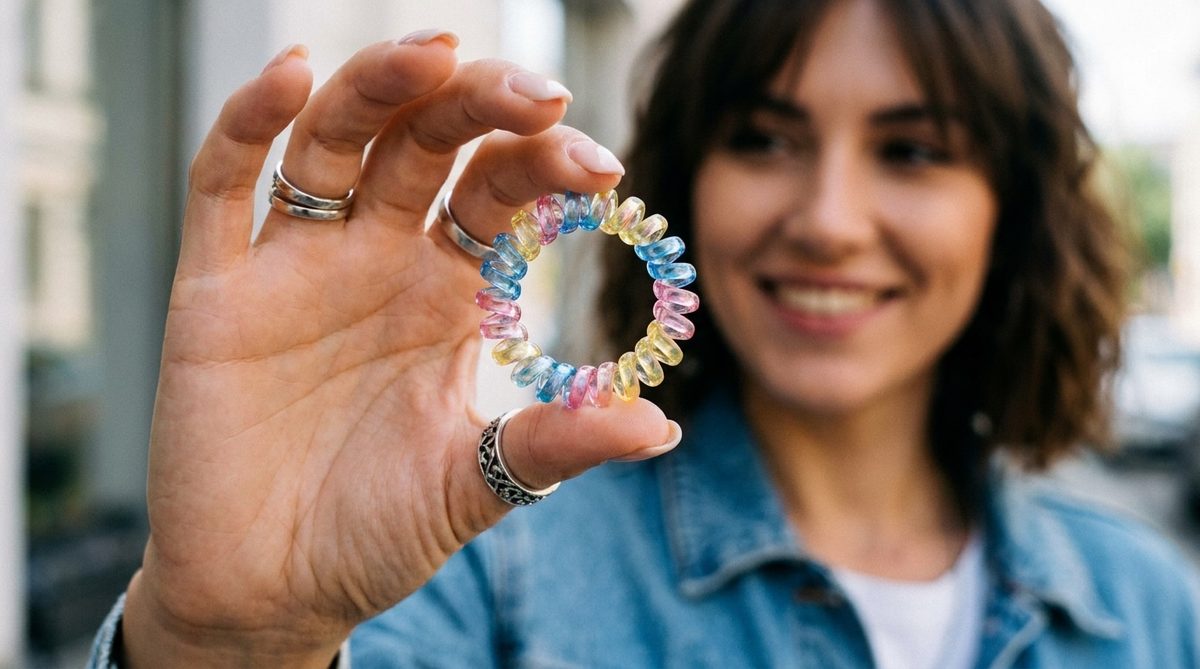
Another clever option that gets high marks is a plastic twisted anti-knot elastic band. Its design resembles a telephone cord. This special design distributes the pressure unevenly around the ponytail. It holds the hairstyle in place without crushing the hair scales or leaving the dreaded crease marks. Before going to bed, gently twist it to loosen the hair without wincing.
It’s funny how we blame our hair for being too fragile when we tighten the vise. When you switch to these gentle tools, your morning routine will change. The knots disappear. breakage stops. But what happens when you want volume? Or when you need to change from a smart look to something more messy for dinner? That’s another discussion for another time.
Pulling out a knot with a sharp tug is a recipe for disaster. It’s a reflex we all have, especially when we’re tired or rushing out the door. But it is this quick pull that causes breakage. The damage increases silently. Strand by strand.
The solution is simple, but requires patience. Unwrap your hair tie loop by loop. Sounds boring. It isn’t. This gentle movement prevents unnecessary friction. For twenty minutes, the volume you created will be maintained. Your hair stays smooth from morning to night.
Why material is more important than style
Changing your standard rubber band changes everything. Think about how your hair feels at the end of a long day. If you’re struggling with tension or tangles, your routine needs an update. These small tweaks add up. Within weeks and months, you will notice a real difference in the health and vitality of your lengths.
The goal is density. Shine. Discipline. You can achieve this by choosing the right accessories. Silk, satin and twisted plastic are winners here. They eliminate friction and of friction and breakage. Traditional rubber bands? They are the enemy. They catch on. They pull. They snap.
Replacing these hard elastics with softer materials eliminates the pain of shaping. Suddenly, hair care is no longer a chore. It is a moment of caring.
The switch to gentle attachments
You don’t have to renovate the entire bathroom cabinet. Just start with the basics. Look for ties made from:
- Silk
- Satin
- Twisted plastic
These materials reduce friction significantly. Your hair slides out easily. No pulling. No tugging. Just a gentle release.
Is it worth making a hair tie yourself? Some people use leftover fabric to make custom ties. This is a wonderful way to reuse materials and ensure that your hair gets the gentle treatment it deserves. Especially in the summer, when heat and humidity can make hair more brittle, these small changes will protect your length.
Are you ready to say goodbye to tangled, broken hair? The answer lies in how you take off your style, not just how you put it on.