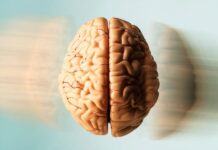

For decades, fish oil has been marketed as a universal panacea, particularly for heart and brain health. However, emerging research challenges this broad assumption, suggesting that omega-3 supplements might actually interfere with the brain’s natural healing processes following a mild traumatic brain injury (mTBI), such as a concussion.
While the American Heart Association (AHA) recommends consuming two servings of fish per week, it does not endorse over-the-counter supplements for the general population. Now, a study published in Cell Reports adds nuance to this debate, indicating that specific components of fish oil may have unintended consequences for individuals recovering from brain trauma.
The Study: Findings from Mouse and Cell Models
The research, conducted by scientists at the Medical University of South Carolina and Cold Spring Harbor Laboratory, utilized mouse models and human brain microvascular endothelial cells. It is crucial to note that these findings are preclinical; they were not derived from human clinical trials. Therefore, the results should be viewed as indicative of potential biological mechanisms rather than definitive proof of harm in humans.
The study focused on eicosapentaenoic acid (EPA), a primary omega-3 fatty acid found in fish oil. Researchers observed two significant outcomes:
- Impaired Repair Mechanisms: EPA was associated with a reduction in the brain’s intrinsic repair processes following injury.
- Tau Protein Accumulation: The fatty acid appeared to support the buildup of tau protein, a marker often linked to Alzheimer’s disease and other neurodegenerative conditions.
“Together, these findings challenge the assumption of uniform omega-3 neuroprotection after brain injury,” the authors wrote.
Why Timing and Context Matter
The core insight from this research is that the same nutrient can have vastly different effects depending on the state of the brain. Under normal, healthy conditions, the brain prefers glucose as its primary energy source and maintains a protective preference to avoid processing fatty acids directly.
However, the metabolic landscape shifts dramatically after a concussion.
Onder Albayram, PhD, a co-author and associate professor of pathology and neuroscience, explains that an injured brain faces increased metabolic demands during recovery. In this vulnerable state, the brain’s vascular cells may begin to utilize fatty acids for fuel. The problem arises because EPA may disrupt the specific vascular repair programs necessary for healing.
“In other words, EPA may not be problematic because it is present, but because the injured brain begins to use or process it under conditions of high-repair demand,” Albayram notes.
This suggests that the issue is not the nutrient itself, but rather when and how it is metabolized. A molecule that supports stability in a healthy brain may interfere with the complex signaling required for tissue regeneration in an injured one.
What This Means for Consumers
Despite these findings, experts caution against abandoning omega-3s entirely. Clifford Segil, DO, a neurologist at Providence Saint John’s Health Center, emphasizes that the overall benefits of omega-3 fatty acids likely outweigh the proposed harms for most people. However, the delivery method matters.
Key Takeaways for Readers:
- Food Over Supplements: The AHA and neurologists alike recommend getting omega-3s from whole foods (like salmon, mackerel, or sardines) rather than isolated supplements. Whole foods provide a complex matrix of nutrients that may mitigate the specific metabolic issues observed in the study.
- Consult Your Doctor: If you have a history of concussions or mild traumatic brain injuries, discuss your supplement regimen with a healthcare provider. Individual health histories and current recovery stages play a critical role in determining what is safe and beneficial.
- Beware of Exaggerated Claims: Many supplement companies make unsupported claims about heart and brain health. This study reinforces the need for skepticism regarding “one-size-fits-all” supplement recommendations.
Conclusion
This research does not declare fish oil “bad,” but it does highlight the complexity of brain metabolism. The assumption that omega-3s are universally protective may be too simplistic, particularly in the context of injury recovery. For now, prioritizing a balanced diet rich in whole fish and consulting medical professionals before starting supplements remains the safest approach for brain health.