
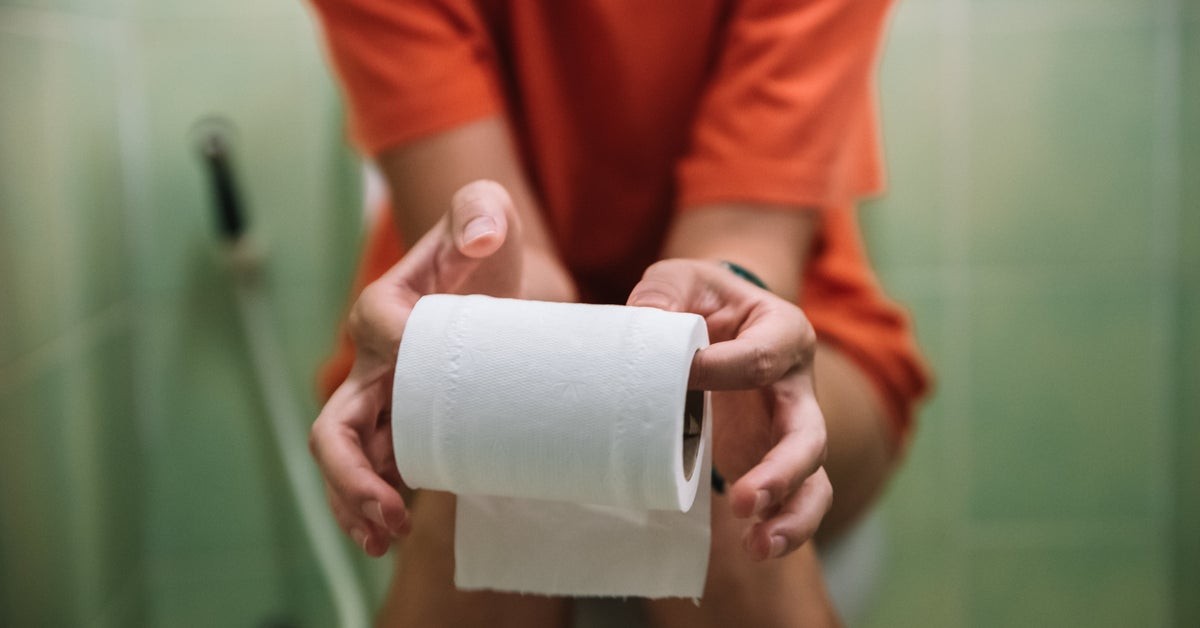
Hemorrhoids are unpleasant. They are swollen veins in the lower rectum and anus that bring pain, itching, and sometimes bleeding. If you haven’t dealt with one, count yourself lucky. If you have, the discomfort is likely something you’d rather forget.
While these conditions are treatable, a specific toilet habit is making millions of people more prone to them. You’re probably doing it right now. Or rather, you did it on the way here.
The Scroll Trap and Gravity
Settling in with a book or scrolling through TikTok on the toilet seems harmless. It’s a moment of peace. It might even be causing your hemorrhoids.
Dr. David L. Schwarzbaum, a gastroenterologist at Weill Cornell Medicine, explains the mechanics simply. Hemorrhoids are engorged blood vessels. They swell when inflamed. Sitting for a prolonged period is a major culprit.
“When one’s bottom is in the space of the void of the toilet seat, the blood pools in the lowest point. This causes increased pressure in the blood vessels in theanus, leading to hemorrhoids.”
Gravity is the enemy here. Dr. Prasun Shah from Memorial Hermann notes that prolonged sitting impairs blood flow. Blood pools in the veins. They swell. The result is symptomatic hemorrhoids.
It isn’t just about comfort. It’s about circulation.
Why Straining Makes It Worse
You might think you can offset this risk by rushing. Don’t. Straining is just as bad.
Pushing to force out a bowel movement increases pressure in the anorectal vessels. It’s another common cause. Schwarzbaum advises patients to heed their body’s natural urge. Go when you feel it. Don’t fight it. But don’t strain if it doesn’t come.
If you can’t relieve yourself immediately, get up. Come back later when the urge returns.
The goal isn’t to hold it in. The goal is to avoid the dual penalty of duration and pressure.
The Ideal Duration
So, how long is too long?
Schwarzbaum recommends limiting bowel movements to 10 to 15 minutes. Max. Any longer and the risk goes up.
He also counsels against distractions. Reading or scrolling for prolonged periods on the toilet extends the time. Put the phone down. Keep the visit brief. If you need a break, sit on top of the closed toilet seat instead of sitting inside the bowl.
Beyond the Seat: Prevention Tips
Sitting for long periods isn’t the only factor. Diet and lifestyle play a massive role. If you sit quickly and still suffer from hemorrhoids, look at what you’re consuming.
Dr. George Pavlou of Gastroenterology Associates of New Jersey lists the essentials.
- Hydration: Drink lots of fluids.
- Fiber: Maintain a high-fiber diet. Aim for 25–30 grams daily.
- Exercise: Stay active to aid digestion.
- Avoid Straining: Especially during pregnancy, a leading cause.
Constipation is the root cause Schwarzbaum emphasizes. Prevent it with that fiber and water. If diet isn’t enough, stool softeners or laxatives may be necessary. Regular exercise helps too.
Don’t delay bowel movements. Holding it makes stool drier and harder to pass. Dr. Shah suggests using a footstool to elevate your feet. This mimics a squatting position. It helps pass stool without straining. Keep the area clean with moist wipes or water. Avoid dry toilet paper if it causes irritation.
The Verdict
Hemorrhoids can feel inevitable. Ask anyone who’s been pregnant. They happen.
But reducing time on the toilet might be the simplest tweak you can make. Less tapping through stories. Less sitting. Less pressure.
If you’re dealing with chronic hemorrhoids, talk to a doctor. Identify the root cause. Get a plan that works for your body.
The toilet seat doesn’t need to be a waiting room.