
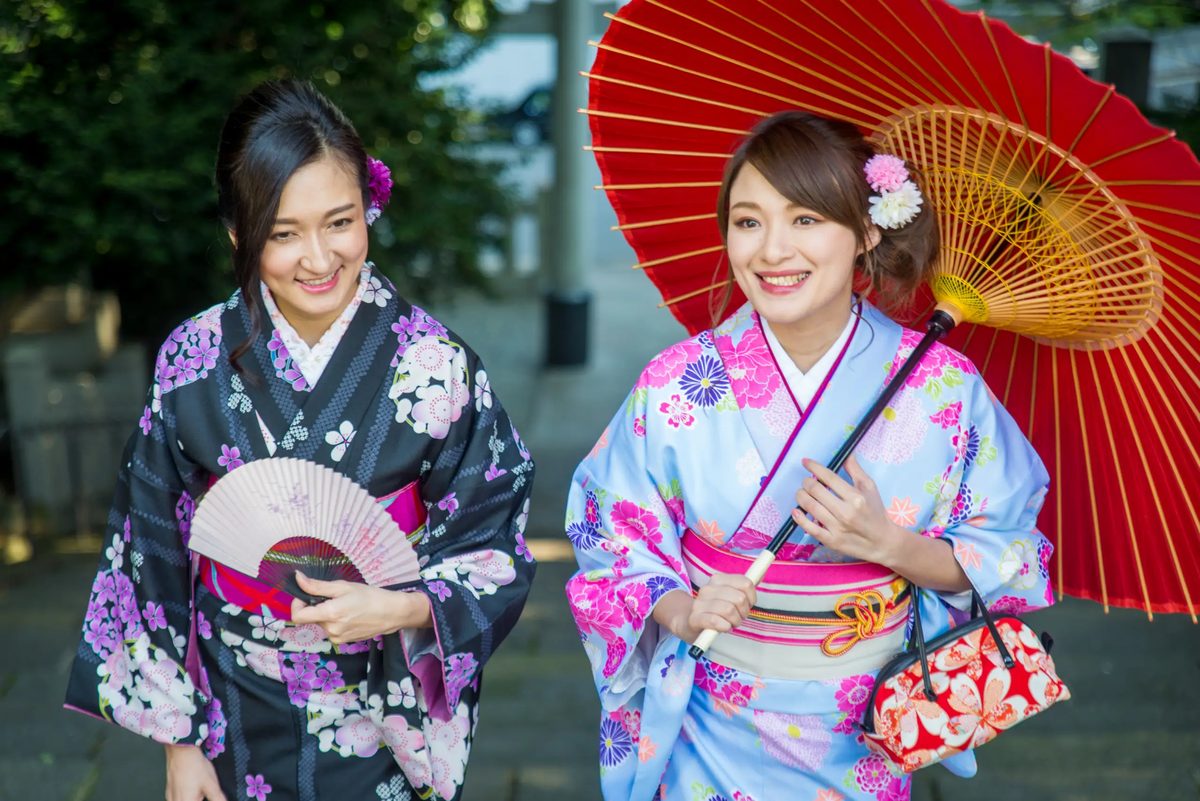
Fashion is rarely just about the fabric. It is a language. When you look at what people wear across the globe, you see history written in thread. It is not merely aesthetic. It is a symbol of values, lifestyle, and deep-rooted heritage. From the structured lines of a Japanese kimono to the vibrant drapes of an Indian sari, traditional clothing tells a story that words often miss.
These garments are rarely mass-produced in factories. Instead, they are often handmade using natural dyes and locally sourced materials. This process makes them distinct from modern fast fashion. They carry weight. They reflect social status, marital status, and specific roles within ceremonies. We are going on a cultural fashion tour. Let’s look at why these clothes matter and where they come from.
The Weight of Tradition
Why do we still care about traditional clothing in a globalized world? Because it anchors identity. These garments are not relics of the past. They are living parts of a community’s cultural DNA.
Traditional clothes serve several specific functions in society:
- Cultural Identity: They act as a visual shorthand for who belongs to a group. Differences in color, pattern, and fabric style signal distinction. A kilt in Scotland or a kimono in Japan is instantly recognizable. It says this is who we are.
- Historical Narrative: Garments evolve. They reflect political and economic shifts. Look at the Ottoman caftan. It signaled imperial power and splendor. Today’s modern attire in those same regions reflects a different kind of change. The clothes track the timeline.
- Social Hierarchy: In many cultures, you can tell a person’s status by their outfit. Certain colors or patterns were historically reserved for royalty or high-ranking officials. It was a strict code.
- Community Unity: Think about weddings or festivals. When everyone wears traditional dress, it creates a powerful sense of togetherness. It bridges gaps between individuals. It creates a shared visual identity.
- Aesthetic Value: Let’s be honest. They are beautiful. The combination of textures, intricate patterns, and rich colors creates art you can wear.
- Economic Impact: For many communities, these clothes are not just symbols. They are livelihoods. Handcrafts and textile production provide jobs and support local economies. It keeps skills alive.
1. Kimono, Japan
Let’s start with Japan. The kimono is perhaps the most iconic traditional garment in East Asia. It is a T-shaped, wrapped robe that covers the body completely. The sleeves hang down to the knees or ankles. It is secured with an obi, a wide sash that ties at the back.
The kimono is not just a dress. It is a complex system of codes. The fabric, pattern, and color change based on the occasion. You wear different kimono for weddings, tea ceremonies, or casual summer days.
Why is the kimono significant?
- Seasonality: Japanese culture places huge importance on the changing seasons. A kimono’s pattern often reflects the current season. Cherry blossoms in spring. Maple leaves in autumn. Wearing the wrong pattern for the time of year is a social faux pas.
- Status and Age: The type of kimono indicates the wearer’s social standing and age. Young, unmarried women wear furisode with long sleeves. Married women wear tomesode with shorter sleeves. The colors range from vibrant and youthful to subdued and elegant.
- Handcraftsmanship: Many high-end kimonos are made using traditional techniques like yuzen dyeing. This is a resist-dyeing method that allows for intricate, colorful designs. It is labor-intensive. It is not fast fashion.
The kimono teaches restraint. It teaches precision. The way it is wrapped, the way the obi is tied—it requires practice. It demands mindfulness. In a world that moves fast, the kimono asks you to slow down. It asks you to respect the tradition behind the garment.
It is more than silk. It is history. It is identity. And it is still worn today.

Why the Kimono Is Still the Ultimate Statement of Japanese Elegance
Think about Japan. What comes to mind? If you picture a flowing, silk-clad figure moving with quiet grace, you’re picturing the kimono. It is far more than fabric. It is an artifact. A tradition. A whole way of life wrapped in silk and cotton.
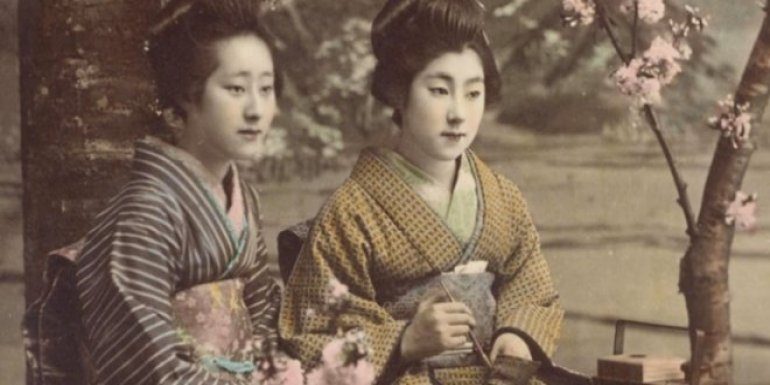
The story starts way back in the Heian period. Influenced by China, the Japanese began crafting their own traditional wear. Those first iterations were simple. Straight cuts. Minimalist. But styles evolved. Artists and weavers started playing with color. They introduced intricate patterns. The Edo period saw the kimono explode across all social classes. It became a status symbol. Masters of the craft created unique models with complex embroidery that still look stunning today.
Then came the Meiji Restoration. Western clothes arrived. The kimono retreated from daily life. It didn’t disappear, though. It found its place in ceremonies and special occasions. That’s where it remains today.
The kimono is not just clothing; it is a symbol rooted deep in Japanese culture. Wearing one is an act of respect for tradition and an expression of elegance.
Decoding the Language of Fabric
You wouldn’t wear a tuxedo to the beach. Same logic applies here. Every detail tells a story. The color. The pattern. The fabric. These elements speak to the wearer’s personality. They hint at social status. They even signal the season.
Not all kimonos are created equal. Designers tailor them for specific purposes. Take the furisode. This is the long-sleeved kimono. Young, unmarried women wear these to formal events. The sleeves are dramatic. They are meant to catch the eye.
Contrast that with the yukata. It is lighter. More relaxed. Made for summer festivals or hot spring baths. It is the casual wear of the kimono world. Easy to slip on. Easy to unwind in.
The Discipline of Dressing
Have you ever tried to put on a kimono? It is not like pulling on a sweater. It is a skill. A discipline. The folding. The tying. The placement of the obi (belt). Each step requires precision. One misstep and the whole look falls apart.
This complexity is why kimono wearing classes are so popular in Japan. They are not just hobby groups. They are preservation societies. People gather to learn the art of draping silk correctly. They study the etiquette of accessories. It is a community built on patience and detail.
Where the Kimono Lives Today
Is the kimono dead? Hardly. It is alive and well. You will see it at weddings. You will see it at shrine visits. It is the uniform of celebration.
For tourists, it has become a must-do experience. Renting a kimono to walk through Kyoto’s streets is a rite of passage. It is also a popular souvenir. Not the high-end silk pieces, but the accessible versions. The entry point.
The kimono survives because it adapts. It holds the weight of history while making space for modern appreciation. It is beautiful. It is complicated. It demands attention.
Does it still matter in our fast-paced world? Maybe. It forces us to slow down. To pay attention to how we present ourselves. To respect the craft behind the cloth.
The next time you see one, look closer. Notice the weave. The way the light hits the silk. It is not just a dress. It is a conversation. One that has been going on for centuries.


The Scottish Kilt: More Than Just a Skirt
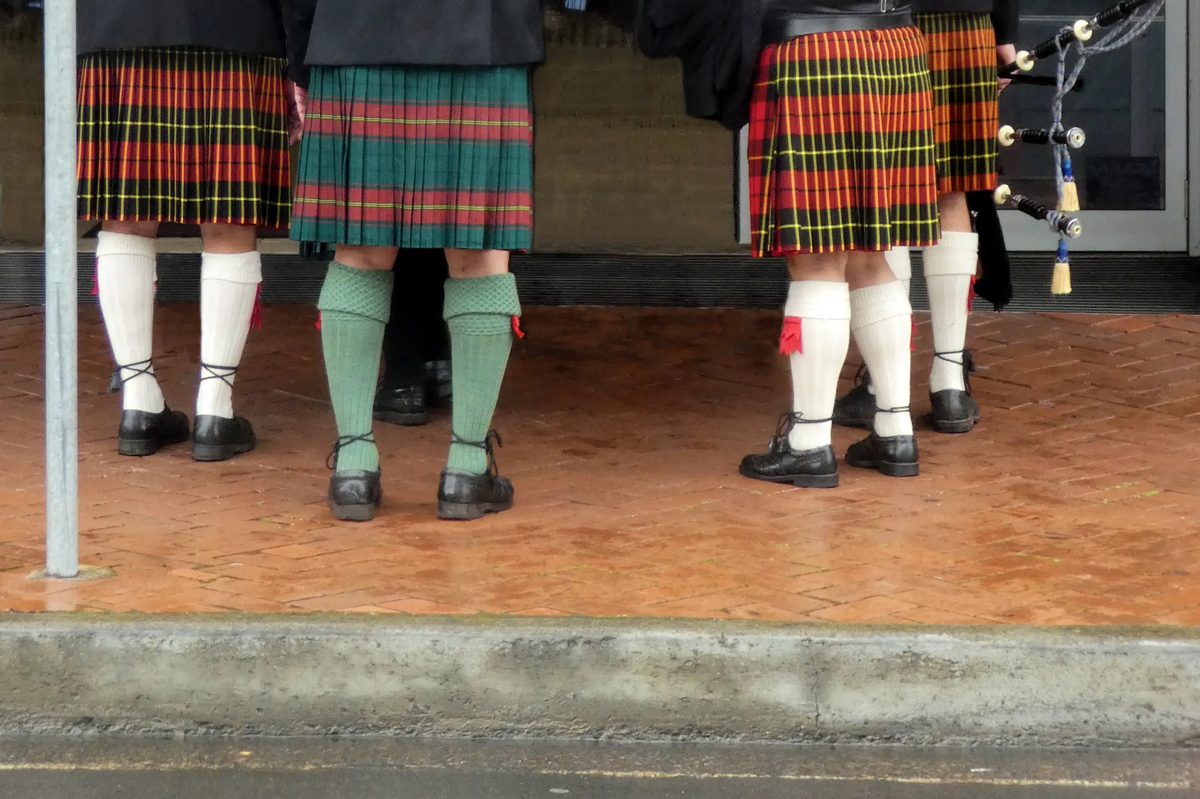
It’s not just a skirt. The kilt is the heartbeat of Scottish identity. For centuries, men in the Highlands have worn it as a badge of honor and clan affiliation. Its roots stretch back to the 1500s, when “belted plaids” were wrapped around the body for warmth and camouflage. By the 1700s, this evolved into the modern kilt.
A traditional kilt outfit is a full ensemble:
– The Kilt: A draped wool skirt, usually featuring a specific clan tartan.
– Sporran: A pouch worn at the front, since kilts lack pockets.
– Sgian-dubh: A small knife tucked into the sock.
– Hose: Wool socks reaching mid-calf.
– Ghillie Brogues: Lace-up leather shoes.
Today, you’ll see kilts at weddings and festivals, and tourists often buy them as souvenirs. But for Scots, it’s a statement of pride.
3. The Sari: India’s Timeless Drape
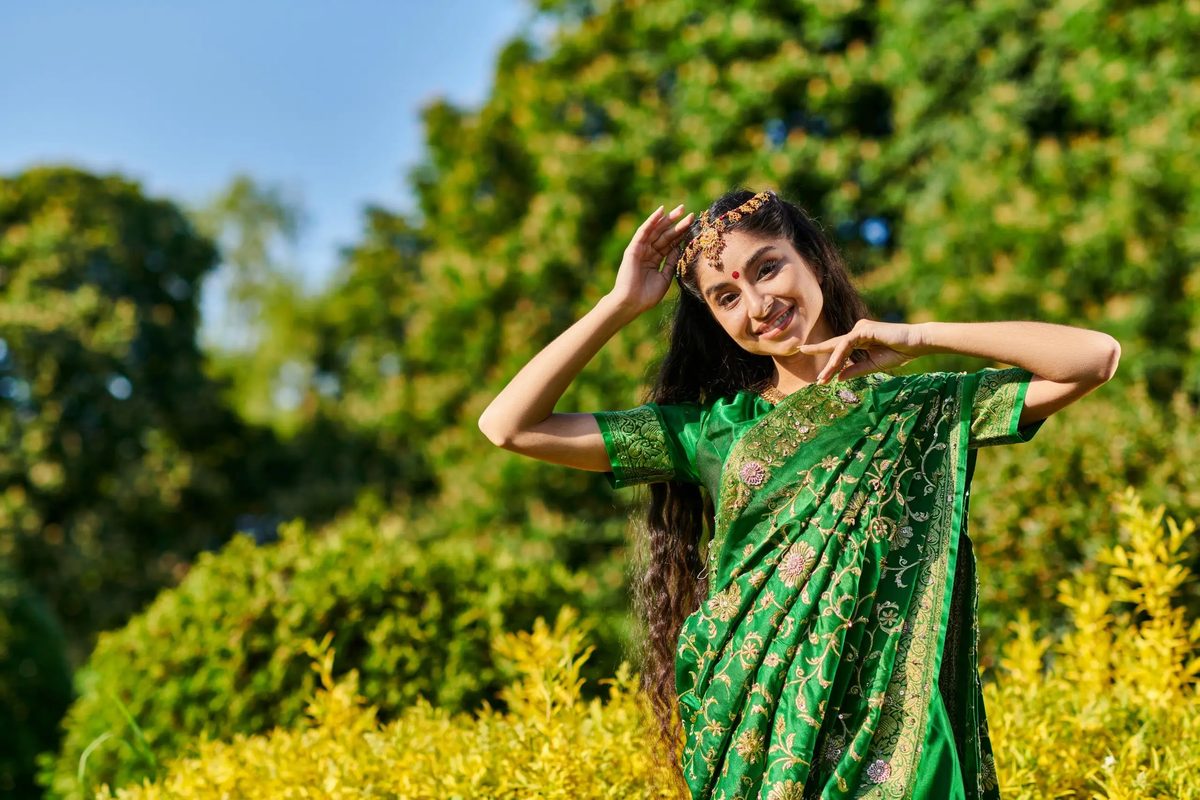
While the kilt defines Scotland, the sari defines India’s elegance. It is a long piece of unstitched cloth, typically ranging from five to nine yards in length. Women drape it around the body in various styles. The sari is not just clothing. It is a symbol of tradition and grace.
Historically, sari draping dates back over 5,000 years. Ancient texts and sculptures depict women in draped garments. Today, the sari is worn across India and by the diaspora. Styles vary by region. The Nivi style from Andhra Pradesh is the most popular nationwide. In Maharashtra, the Nauvari sari is draped like trousers. In Bengal, the sari is tucked at the back, leaving the front panel loose.
The fabric tells a story. Silk saris are reserved for weddings and festivals. Cotton is for daily wear. Georgette and chiffon offer a modern, flowing look for evening events. Each region has its own weave. Banarasi silk from Varanasi. Kanjeevaram from Tamil Nadu. Chanderi from Madhya Pradesh.
Accessories complete the look. A blouse (choli) is tailored to fit snugly. Jewelry plays a key role. Gold earrings, necklaces, and bangles are common. A bindi on the forehead often signifies marital status or serves as decoration.
Unlike the structured kilt, the sari relies on grace and skill. Draping takes practice. But the result is fluid and adaptable. It moves with the wearer. It is versatile enough for a corporate meeting or a temple ceremony.
Why does the sari endure? Because it combines comfort with dignity. It does not restrict movement. It allows air circulation in hot climates. It is sustainable, as the same garment can last decades if cared for.
Modern designers are reinventing the sari. Pre-draped options make it easier for beginners. Fusion styles mix traditional draping with contemporary blouses. But the core remains unchanged. It is a celebration of femininity and culture.

The Silk Symbol of India
A sari isn’t just a garment. It’s a statement. For women in India, this five-to-nine-meter drape of fabric is a centuries-old declaration of identity. We often see the bright colors in travel magazines, but the reality is deeper. It’s woven into the social fabric. You wear it to show where you’re from. You wear it to signal your status.
The story starts long before modern fashion. Think Indus Valley Civilization. Back then, men and women draped themselves in long cloth strips. Tucked at the waist. Draped over the shoulder. Simple. Functional. But over millennia, that basic utility evolved into art. Ancient texts and stone sculptures prove it. The sari has been part of Indian culture for thousands of years. It didn’t just survive; it thrived.
What the Drape Says About You
Wearing a sari is about more than aesthetics. It’s a non-verbal language. The way you drape it speaks to your regional roots. The fabric choice whispers your social standing. Even the colors can hint at religious beliefs. It highlights femininity. It emphasizes grace. But it also grounds you in tradition.
Not all saris are created equal. India is huge. The variations are endless. Take Banarasi saris. Made from silk. Decorated with gold or silver zari work. They’re heavy. Luxurious. Expensive. Then there’s Kanchipuram. Also pure silk. But the focus is on rich, vibrant colors and contrasting borders. Each region has its signature style. You can tell a woman’s story just by looking at her hem.
The Art of the Draping
Here’s the thing. You can’t just throw a sari on and call it done. It’s a skill. A technique. Learning to pleat and tuck that 5-to-9 meter length correctly takes practice. Misstep once, and the whole look falls apart. This is why sari draping classes and workshops are so popular in India. Women learn it from mothers. From friends. From instructors. It’s a rite of passage.
Sari in the Modern World
Is it outdated? No. Far from it. Weddings? Saris are mandatory. Festivals? Absolutely. Official ceremonies? Yes. The fabric moves with contemporary India. It’s not stuck in the past. It evolves. Designers mix traditional silks with modern cuts. But the essence remains. For tourists, the sari is also a prime souvenir. A piece of culture you can take home.
4. Hanbok, Korea
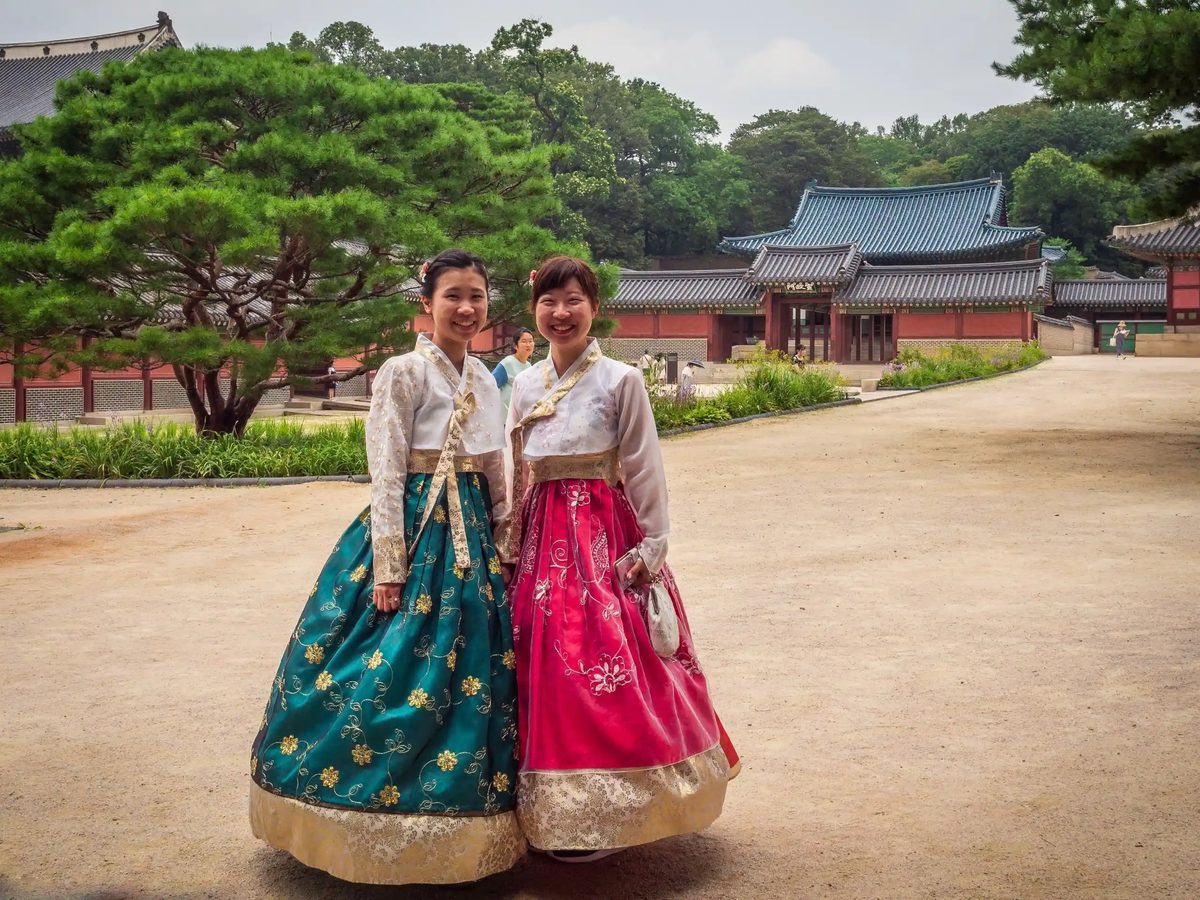

The History and Meaning Behind Traditional Hanbok
The first image that pops into your mind when you hear “Korea” is almost certainly the striking Hanbok. Those vibrant colors and elegant silhouettes don’t just catch the eye. They tell a story. This isn’t just fabric. It’s a symbol of Korean aesthetics, history, and grace.
The roots of Hanbok stretch back to the Three Kingdoms period. Early versions were simple tunics and pants worn by nomadic tribes. Over time, Chinese influence shifted the design. The result was the structured Hanbok we recognize today. The Joseon Dynasty marked its golden era. Styles diversified to reflect social status, seasons, and special occasions.
Hanbok is more than clothing. It is an expression of Korean identity and values like harmony and balance with nature.
Why Hanbok Matters Today
Hanbok is not a relic. It is a living part of Korean culture. The colors, patterns, and accessories offer clues about the wearer. Age, marital status, and social standing are all visible in the details. It’s a language of fabric.
For women, the set includes a short blouse called the jeogori and a full, wrap-around skirt known as the chima. Men wear a jeogori paired with loose trousers called baji. Accessories like hairpins, hats, and shoes complete the look.
Today, Hanbok is still worn for weddings, holidays, and traditional festivals. It’s also a popular experience for tourists visiting Korea. Many rent outfits for photos or buy souvenirs. But it’s not just about preservation. Modern designers are reinterpreting Hanbok. They keep the traditional lines but adapt them for contemporary fashion. This blend of old and new keeps the style relevant.
It’s easy to see why you might want to try it. The fit is forgiving. The colors are bold. But how do you choose the right style? The answer depends on the occasion. A wedding demands a different silhouette than a casual tea ceremony. Knowing the difference helps you appreciate the nuance.
The evolution continues. Designers are experimenting with fabrics and cuts. Yet the core elements remain. The flow of the skirt. The structure of the jacket. It’s a balance of comfort and formality.
Why does this matter to you? Because fashion is identity. Wearing Hanbok connects you to a lineage of women who valued beauty and propriety. It’s a way to honor tradition while standing in the present.
The market is growing. More brands are creating accessible versions. You don’t need a royal budget. You just need an interest in culture. And maybe a willingness to wrap up in something truly beautiful.
What happens next? The style adapts. It travels. It stays.

The Color That Screams Identity: Masai Red in Kenya
Most people think of beige when they picture the African savanna. It’s dry grass, dusty roads, the endless horizon. But if you’ve ever seen a photograph of the Maasai people in Kenya, that beige is completely obliterated. It’s replaced by a shade so intense, so deliberate, that it practically vibrates against the landscape.
We’re talking about Masai red.
It isn’t just a fashion choice. It’s a visual language.
For the Maasai, a semi-nomadic ethnic group spread across southern Kenya and northern Tanzania, color is serious business. And while they wear a rainbow of beaded jewelry, one color dominates the narrative. It’s shuka red, the iconic plaid cloth draped over shoulders, worn by men and women alike.
Why this specific hue? Why not blue for the sky or green for the grass?
The answer lies in symbolism, survival, and social signaling.
Why Red? The Psychology of the Shade
There is no single “official” reason cited by anthropologists, but the consensus points to a few powerful drivers.
First, there’s the connection to nature. For the Maasai, cattle are life. They are currency, food, and spiritual connection. The blood of the cattle, vital for life and ritual, is often associated with this deep red. Wearing it honors that connection. It’s a reminder of what sustains the community.
Then there’s the pragmatic side. Red is a color that stands out. In a landscape of browns and greens, a person in red is visible from a mile away. Historically, this wasn’t just about aesthetics; it was about safety and communication. It signaled presence. It said, “I am here. I am part of this group.”
“Red is the color of the Maasai spirit. It represents bravery, strength, and the lifeblood of the community.”
More Than Just a Color: What the Red Tells You
If you think all red is the same, you’re missing the nuance. The Masai red culture is deeply tied to specific roles and life stages. It’s not a monolith.
- The Shuka Cloth: This isn’t bought at a mall. It’s often hand-woven or traded, carrying a tactile history. The red shuka is worn by men, draped dramatically over one shoulder. It’s practical for the cold mornings and hot days, but it’s also a badge of identity.
- Beadwork Hierarchy: While the cloth provides the background, the beads provide the message. Men and women wear intricate beaded necklaces and earrings. The colors here are coded. Red beads often signify bravery, unity, and energy. But they are mixed with blue for the sky and rain, yellow for prosperity, and green for health and the land.
- Status and Age Sets: The intensity and style of the red, along with the accompanying beads, can indicate a person’s age set, marital status, and even their role within the clan. A young warrior (moran) might wear red with specific geometric patterns that an elder would not.
Misconceptions vs. Reality
You might assume this vibrant look is purely for tourism. It’s a common critique: “They dress up for the cameras.”
That’s a lazy take.
While tourists certainly see the red shukas and beaded jewelry in village tours
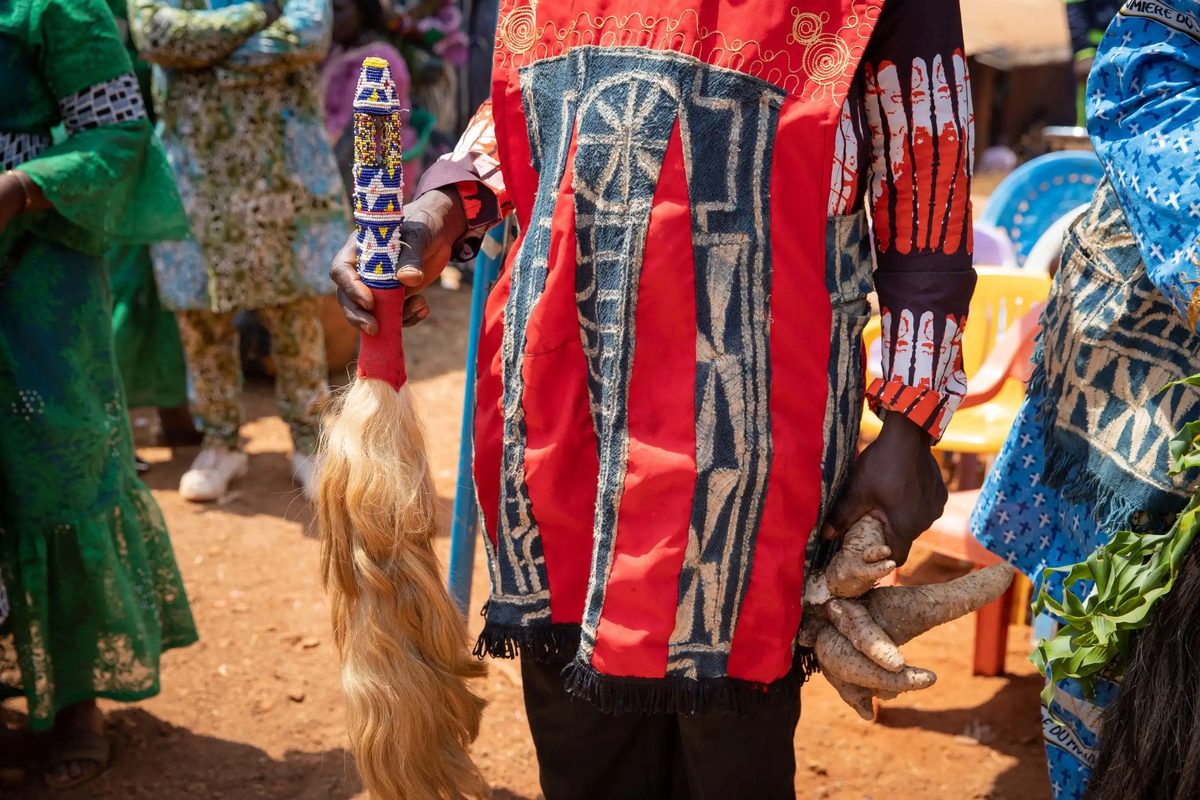
The Vibrant Colors of Maasai Identity
In the endless savannas of Kenya, the bright red shukas worn by the Maasai people are far more than just fabric. They are a symbol of a specific culture, a way of life, and a quiet but firm resistance. This particular shade of red is the color of a heartbeat in the center of Africa. It represents pride and identity.
For centuries, the Maasai have lived as nomads in East Africa. They rely on cattle herding and have developed a warrior spirit to survive the harsh natural conditions. The red color reflects this bravery and strength. It also shows their deep connection to the earth. Red stands for soil, blood, and fire—the basic elements of life. To the Maasai, this color is both the source of life and the guarantee of its continuity.
What the Color Actually Means
For the Maasai, red is an identity marker. It tells you who they are, where they come from, and what they believe in. The color symbolizes their dedication to their traditions and values. It is not just a aesthetic choice. It is a statement of existence.
Beyond the Cape
Traditional Maasai attire is not limited to the famous red cloaks. Men typically wear a shuka, a cloth that is either red or blue, draped over the shoulders. Women wear kangas, which are often more colorful and patterned. These outfits are usually completed with intricate beads, shells, and metal ornaments. Every piece has meaning.
Where You See It Today
The Maasai still wear these traditional clothes today. The vibrant red is highly visible during ceremonies, festivals, and cultural events. It holds significant weight in these gatherings. For tourists visiting Kenya, Maasai clothing has also become a popular souvenir. You will often find these textiles in markets, though the context shifts from sacred tradition to commercial trade.
7. Dashiki, Africa
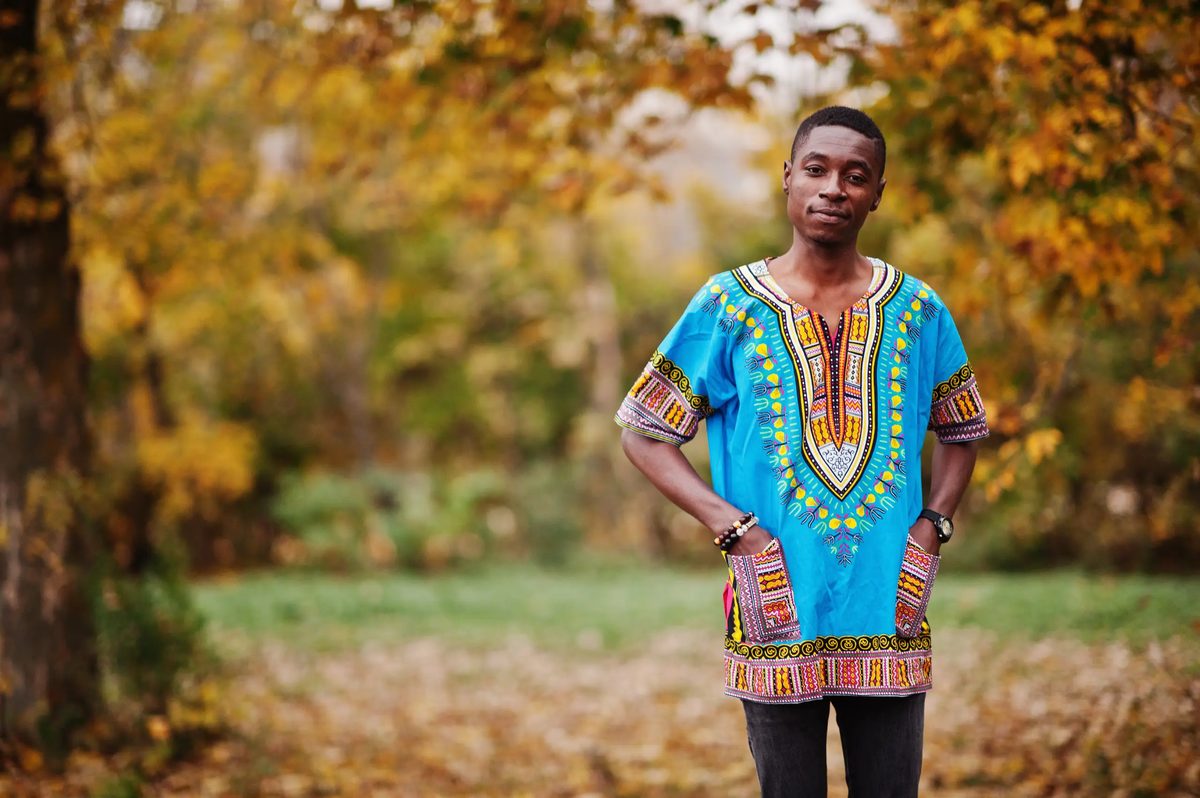
While the Maasai red is tied to the savanna, the dashiki connects to the broader West African experience. This loose-fitting, colorful tunic is a staple in many African countries. It is often seen at cultural celebrations and everyday wear. The dashiki features vibrant prints and embroidery. It stands for African heritage and pride. Like the Maasai shuka, the dashiki tells a story of where a person comes from. It is a bold statement of identity. The patterns vary by region and family. Some designs are specific to certain tribes. Others are more general. The fabric is usually cotton or silk. It is breathable and comfortable in hot climates. The dashiki is worn by men and women. It is often paired with matching trousers or wraps. The neckline can be wide or high. The colors range from gold and green to blue and red. These colors often have symbolic meanings. Green represents growth. Blue represents peace. Red represents struggle. The dashiki is a versatile piece of clothing. It can be dressed up or down. It is a symbol of unity for the African diaspora. When you see someone wearing a dashiki, you are seeing a connection to history. It is a way of preserving culture through fashion. The dashiki has been popularized in the United States by African American activists. It became a symbol of the Black Power movement. Today, it is worn globally. It is a celebration of African roots. The dashiki is not just a shirt. It is a

When you think of Latin American textiles, your mind might jump to bold patterns or specific regional styles, but few pieces carry as much historical weight as the huipil. Often confused with generic blouses, this garment is a deeply coded statement of identity for Indigenous women in Mexico and Guatemala. It’s not just clothing. It’s a wearable archive.
The word huipil comes from the Nahuatl term huipilli, referring to a tunic. But calling it a “tunic” feels too simple for what it actually is. For centuries, women across Mesoamerica have used the huipil to communicate who they are, where they come from, and what their community values. Each stitch tells a story.
The Language of Weaving
Why does the huipil matter today? Because it resists erasure. In a region with a complex colonial history, the huipil remains a tool of cultural preservation. Unlike mass-produced fashion, a traditional huipil is rarely made in a factory. It’s woven by hand, often on a backstrap loom, a technique that has survived centuries of change.
The design isn’t random. The colors, motifs, and weaving techniques vary from village to village. A woman walking through a market in Oaxaca can identify another woman’s hometown just by the pattern on her chest. It’s a social language woven into cotton or wool.
- Symbolism: The geometric shapes often represent local flora, fauna, or cosmological beliefs. A bird might symbolize freedom; a zigzag could represent mountains or rain.
- Construction: Most huipiles are made from three rectangular panels of fabric, sewn together with a hole for the head. This simple structure belies the immense skill required to weave them.
- Material: Traditionally, this was wool or cotton. Today, you might find blends, but the most respected pieces still use natural fibers.
Not Just a Costume
There’s a difference between a souvenir huipil bought in an airport shop and a piece made by a local weaver. The former is usually a printed imitation. The latter is a labor-intensive creation that can take weeks or even months to complete.
For many women, wearing a huipil is an act of pride and resistance. It connects them to their ancestors and asserts their presence in modern spaces. You’ll see them at weddings, in churches, and at political rallies. They are practical, durable, and deeply personal.
Where to See Authentic Huipiles
If you’re traveling and want to support authentic artisans, look beyond the main tourist hubs. Regions like Chiapas, Yucatán, and Guatemala’s Highlands are known for their distinct weaving traditions. Ask questions. Genuine weavers are often proud to explain the symbolism behind their work. Avoid buying pieces that are mass-produced or lack a clear origin story.
The Modern Evolution
Fashion is changing, and so is the huipil. Contemporary designers are starting to reinterpret these traditional forms, blending them with modern cuts and fabrics. But this evolution raises questions about cultural appropriation versus appreciation. When does a design become respectful homage? And when does it strip the garment of its meaning?
The answer often lies in credit and context. Supporting Indigenous designers who own their craft is one way to navigate this
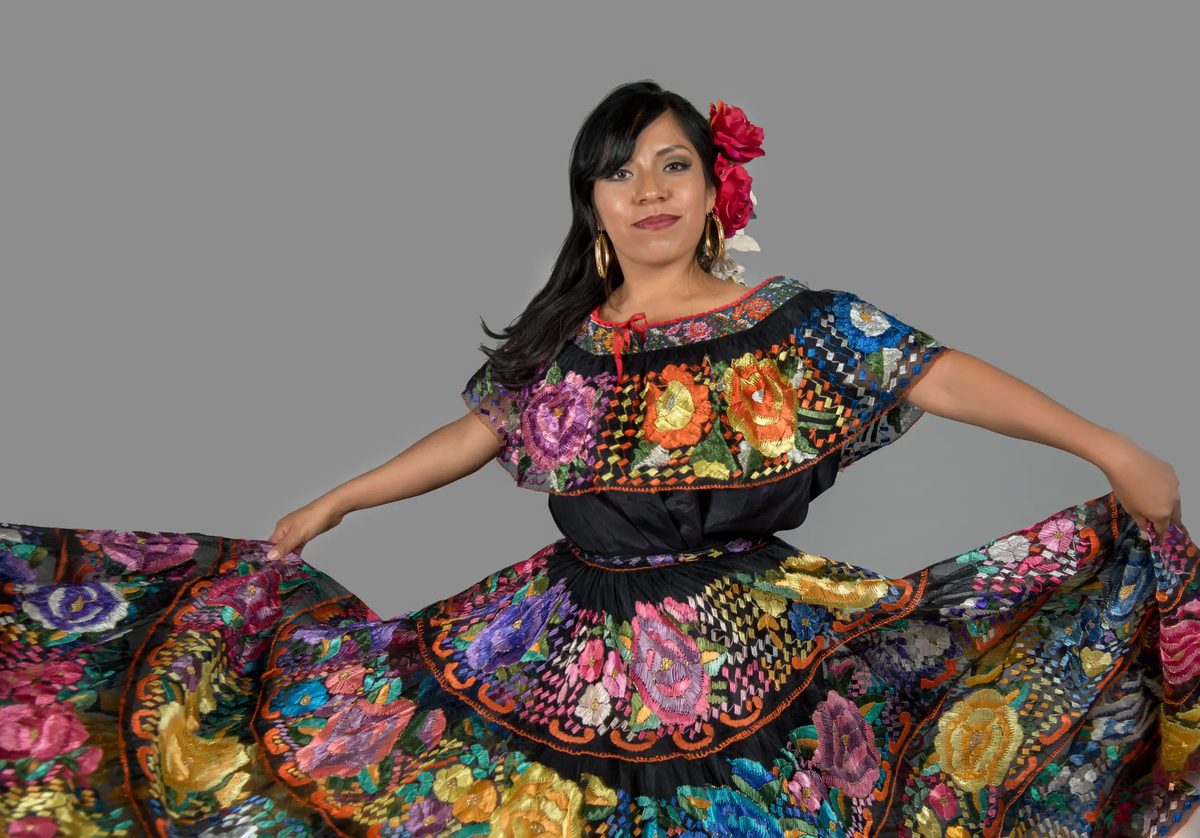

Bunad, Norway
Huipil is more than fabric in Mexico and Guatemala. It is identity. It is resistance. The same logic applies to the Bunad in Norway. This traditional costume is not just a fancy dress for tourists. It is a heavy anchor to heritage.
Why the Bunad Matters in Norwegian Culture
The Bunad traces its roots back to rural clothing. Before industrialization, every valley had its own style. Women wove wool and linen. They dyed it with local plants. The result was a unique outfit that screamed location. It said, “I am from here.”
Today, the Bunad looks different. It is often made from synthetic blends for durability. But the spirit remains. It is a symbol of national pride. Or at least, regional pride.
“Wearing a Bunad is a statement. It connects the wearer to ancestors who lived and died in the same soil.”
How the Bunad Works
A Bunad is not a single uniform. It varies by municipality. There are hundreds of distinct styles. Each one reflects local history.
- Materials : Traditional versions use wool or linen. Modern versions might use cotton or polyester.
- Design : It usually includes a dress or skirt and a jacket.
- Embroidery : The patterns are specific to the region. Geometric shapes. Floral motifs.
- Accessories : Belts. Shells. Silver brooches. These are not optional. They complete the look.
The complexity lies in the details. A specific stitch might indicate a village. A certain shade of blue might show a family lineage. Misinterpreting these details can be seen as disrespectful. Or just ignorant.
When and Where You Wear It
You do not wear a Bunad to buy groceries. That would be odd.
- Midsummer (Midsommar) : The biggest event for Bunad wearing.
- May 17th (Constitution Day) : A national celebration. Streets fill with colors.
- Weddings : Family members often wear their regional Bunads.
- Confirmations : A rite of passage for many Norwegian teens.
It is festive. It is communal. It breaks down social barriers. A CEO and a teacher stand side by side in their Bunads. They look equal. They feel connected.
The Modern Debate
Is the Bunad elitist? Some say yes. The custom versions can cost thousands of dollars. Hand-embroidered pieces take years to complete. That puts them out of reach for many.
But there is a counter-movement. Simpler, machine-made Bunads exist. They are affordable. They allow more people to participate. The goal is inclusivity. Not exclusivity.
“The Bunad should be for everyone. Not just those who can afford artisan craftsmanship.”
Choosing Your Bunad
If you live in Norway, you likely have a Bunad for your region. You inherit it. Or your family buys it for you. But what if you are not Norwegian?
You can wear a Bunad from another region. It is generally accepted. It shows respect for the culture. Just avoid claiming it is your own family’s style. That is where lines are drawn.
- Research first : Learn about the region.
- Respect the symbols : Do not mix patterns
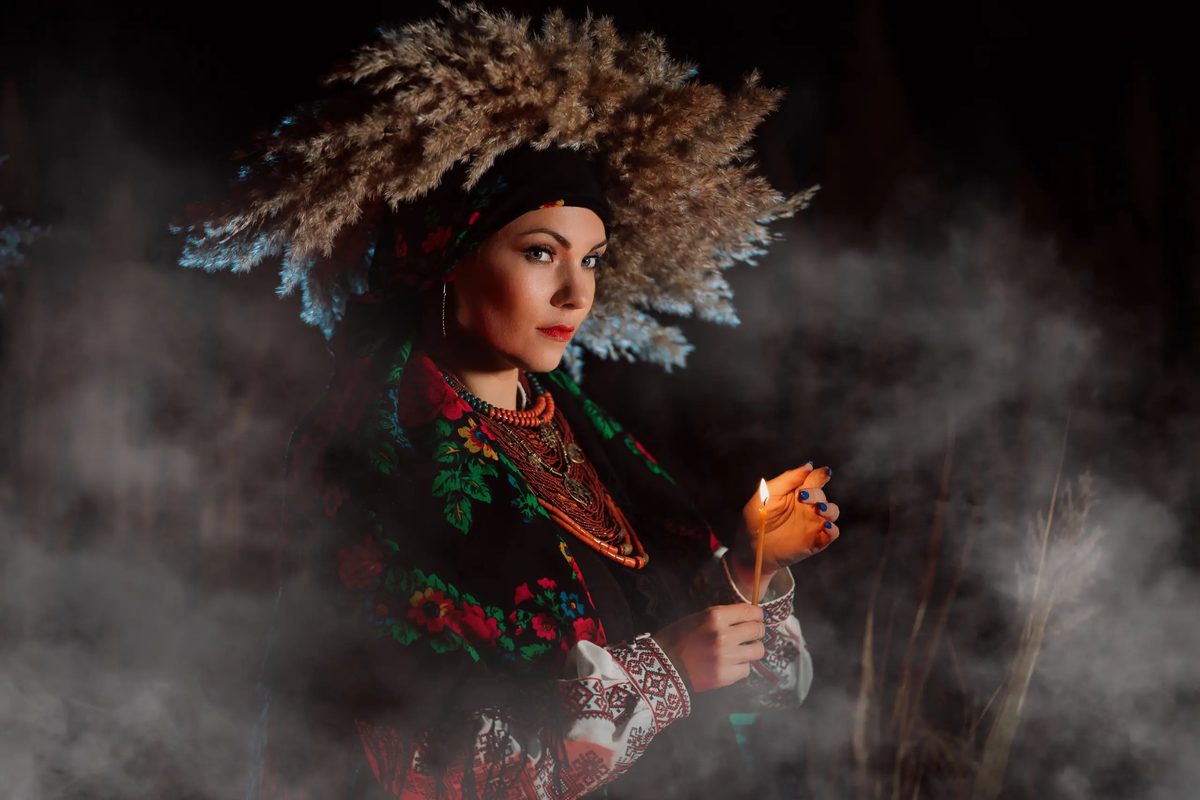
Norway’s landscape is defined by its dramatic fjords and northern lights, but there is another layer to the country’s identity that is just as striking. It is woven into the daily life and celebrations of its people. This is the Bunad. It is not just a costume for tourists. It is a living symbol of heritage.
The word itself comes from the Old Norse búnaðr, meaning “clothing” or “equipment.” The roots of this garment stretch back to the Middle Ages. Early Norwegians in rural areas wore simple woolens. The climate demanded practicality. Over centuries, these basics evolved. They adapted to local traditions and specific weather conditions. What started as functional wear transformed into the intricate Bunads we recognize today.
The Romantic Revival and Regional Pride
Why did interest surge in the 19th century? It was tied to the national romanticism movement. Norway was asserting its independence from Sweden. Traditional clothing became a powerful tool for expressing that unique cultural identity.
This period saw a boom in regional styles. Each area developed its own distinct design. These variations became a source of national pride. They were not just clothes. They were declarations of belonging.
“Wearing a Bunad is an expression of loyalty to Norway’s history, traditions, and values.”
The details matter deeply. The colors, patterns, and accessories can tell you exactly where a person is from. They can indicate social status. In some cases, they even signal marital status.
Which Bunad is Right for You?
There is no single Norwegian dress. There are over 200 different types of Bunads across the country. Each municipality or region has its own authorized version. This is important. It preserves local craftsmanship and history.
Most traditional Bunads are made from wool, linen, or cotton. The construction requires skill. The finishing touches often include silver or gold jewelry. Embroidered belts add structure. Colorful shales provide warmth and flair.
Where Do We See Bunads Today?
You will not see Bunads in the office. They are reserved for special occasions. Weddings are a prime example. Baptisms too. Christmas celebrations often feature them.
But the biggest spectacle is May 17th. Norwegian Constitution Day. Streets fill with vibrant Bunads. Children, teenagers, and adults all participate. It is a massive display of unity and joy.
For visitors, Bunads have become popular souvenirs. You can find simplified versions in shops. However, the authentic pieces remain deeply personal items. They are passed down through families. They connect the wearer to generations past.
The tradition is evolving. Younger Norwegians are finding new ways to engage with their heritage. Some modify designs to fit modern aesthetics. Others wear them with contemporary items. The core meaning remains. It is about pride. It is about remembering where you come from.
Is it possible to maintain such specific traditions in a globalized world? Norway seems to have found a way. The Bunad stands as proof. It is beautiful. It is complex. And it is far from dead.

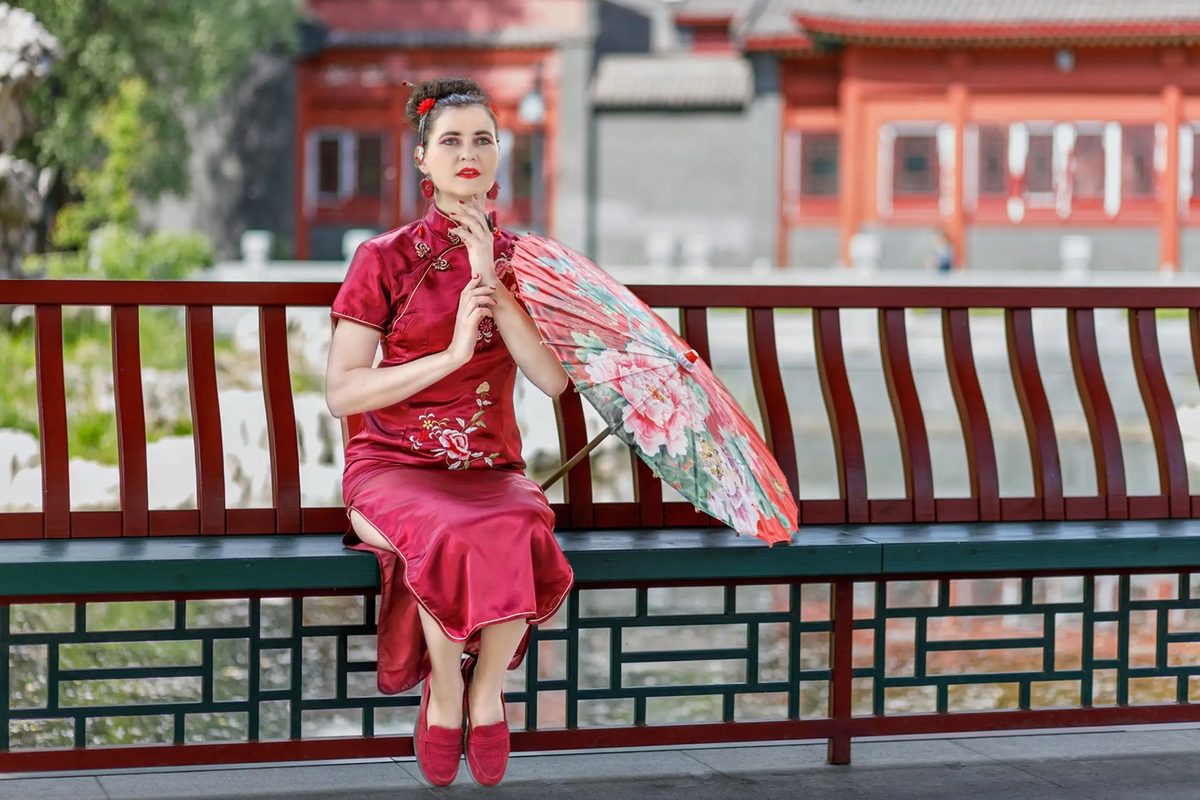
The History Behind the Qipao
The cheongsam, known in the West as the qipao, is far more than just a pretty dress. It’s a cultural artifact. A symbol of elegance. It defines a certain kind of feminine strength that has persisted in Chinese culture for over a century.
Its story starts in the early 20th century. During a period of rapid modernization, the traditional Manchu robes were bulky. Long. Flowing. Women in Shanghai began to tweak the design. They wanted something that fit. Something that allowed movement without the excess fabric.
By the 1920s, the silhouette had changed completely. It became form-fitting. Tailored. This new style didn’t just stay in Shanghai. It spread across China. The cheongsam became the uniform of the modern Chinese woman.
What the Dress Communicates
Wearing a cheongsam is a statement. It’s not accidental.
- Cultural Weight: The garment reflects grace and confidence. But it also signals status.
- Visual Cues: Colors. Patterns. Fabric choices. They all tell a story about the wearer’s age and marital status.
- Construction: Typically made from silk or satin. It hugs the body.
- Key Details: High collar. Side slits. Traditional button closures.
- Motifs: Flowers. Birds. Dragons. These aren’t random. They are rooted in traditional Chinese symbolism.
Where It Fits Today
You still see it.
On wedding days. At festivals. During official ceremonies. The modern interpretation keeps the classic lines but adapts them to contemporary fashion. It’s a staple for tourists looking for authentic souvenirs. And for locals who want to connect with their heritage.
It’s a piece of clothing that refuses to stay in the past. It evolves. It adapts. It remains relevant.
Why do certain garments survive time while others fade? The cheongsam suggests that elegance isn’t static. It’s a conversation between tradition and the present moment. And that conversation is still being written.