
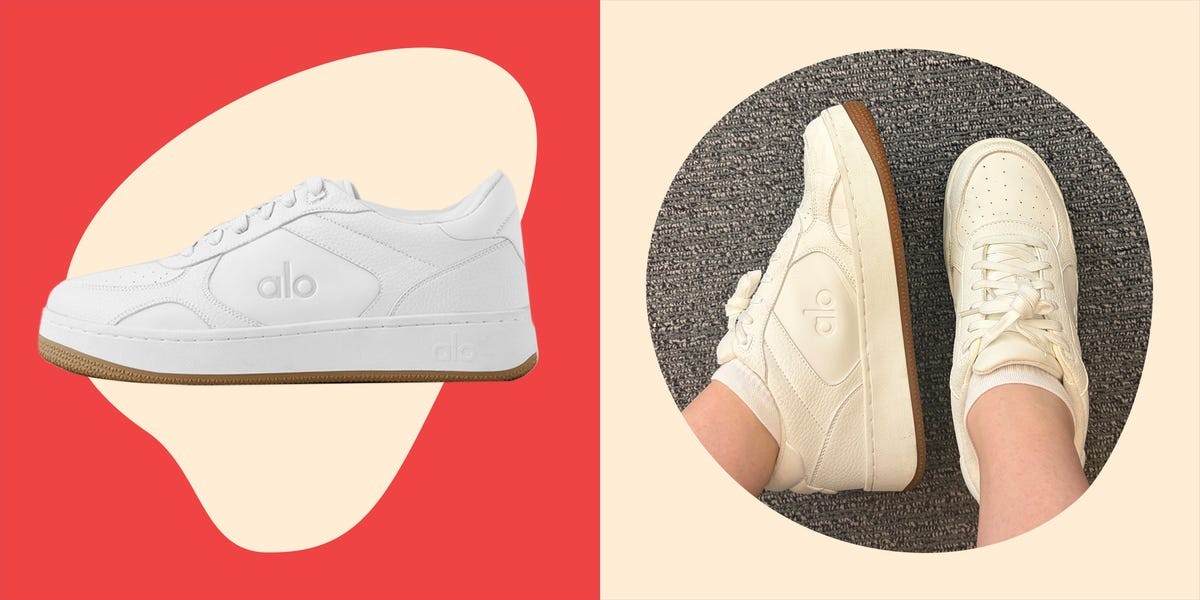
I used to think recovery shoes were for people who gave up on looking good. Orthopedic. Clunky. Boring. Then I started reviewing footwear for a living. My apartment turned into a warehouse of discarded soles. And somewhere in the pile, I found the Alo Recovery Mode.
It’s been six months. I’ve worn these things everywhere. NYC streets. Long Island trails. The office. They’re currently my most-worn pair. Not because they’re soft. But because they work.
What Makes the Alo Recovery Mode Different From Other Recovery Shoes
Most “recovery” sneakers look like medical devices. Function over form. The Alo Recovery Mode flips that script. It looks like a classic Nike Air Force 1. Clean lines. Minimal aesthetic. Chic. You wouldn’t guess it’s built for foot health until you step into it.
Style doesn’t have to sacrifice support.
Underneath the sleek exterior, there’s a lot happening. The foam insole is springy. Not squishy. Just enough cushion to absorb impact. The structured outsole keeps you balanced. I’ve been battling recurring foot pain. Possibly plantar fasciitis. These are the only shoes that leave my feet feeling better after a long day.
How to Style Alo Recovery Mode Sneakers for Work and Play
Versatility is key. I wear them with wide-leg tailored pants and a plain white tee. They handle the office environment better than uncomfortable heels. They pair with biker shorts and crew socks for a casual, sporty vibe. They work with button-downs. They work with leggings.
The 1.5-inch platform adds height. But it doesn’t feel unstable. You get a little lift without the wobble.
Who Should Buy Alo Recovery Mode Shoes
If you have foot pain, these might be your new best friend. The thick padded collar keeps your foot secure. The sock-like lining adds comfort. The grippy outsole handles slick grocery store floors and uneven city sidewalks alike.
I’ve taken them on long dog walks. Commutes. Travel days. Errands. They hold up.
Are Alo Recovery Mode sneakers worth the weight?
There’s one downside. They are heavy. Heavier than your average everyday sneaker. You feel the weight. I won’t wear them for hours of continuous walking. The cushioning and support come with a price: mass. But for a standard commute or a day of running around? The trade-off is easy. They’re comfortable enough to ignore the bulk.
Which sneaker gives you the best mix of style and support? For me, right now, it’s these. I don’t know what I’ll reach for next month. But today, these stay on my feet.