
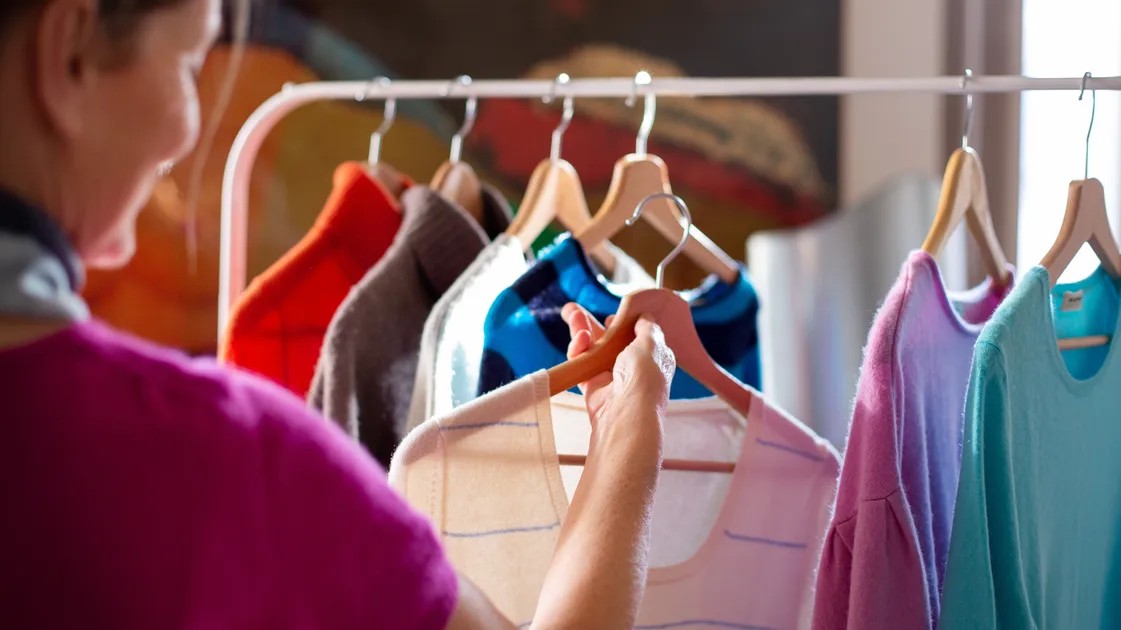
The social media zeitgeist currently favors a strict dichotomy: natural fibers like cotton, linen, and wool are virtuous, while synthetic materials like polyester are villainous. Consumers are increasingly driven to swap synthetics for “cleaner” alternatives, citing concerns over plastic pollution, toxicity, and environmental impact.
However, experts warn that this binary view is misleading. Neither fiber is inherently good or bad. The environmental and health impacts of clothing depend less on the fiber type itself and more on production methods, consumption habits, and end-of-life disposal.
The Reality of Polyester: More Than Just Plastic
Polyester is indeed a plastic fiber, specifically made from polyethylene terephthalate (PET). The manufacturing process involves melting PET chips and extruding them into fibers that can mimic the texture of cotton or other materials.
Key Facts About Polyester:
* Scale of Production: It is the most-produced fiber globally, with 77 million tons produced in 2024 alone.
* The Fast Fashion Link: Its low cost fuels mass consumption. Because it is inexpensive, it enables the “fast fashion” model where garments are bought, worn once, and discarded.
* Durability Issues: Polyester takes over 300 years to biode naturally. When discarded textiles end up in landfills—which accounts for an estimated 66% of all textile waste—they emit greenhouse gases. If treated with stain-resistant chemicals, they may also release “forever chemicals” (PFAS) into the environment.
The surge in polyester consumption is tied directly to economic structures that prioritize low prices over longevity. This model encourages buying disposable items, such as single-use party dresses, a habit that was uncommon decades ago.
“We can’t really talk about polyester, and really about the clothing industry at all, without talking about mass consumption,” says Meagan Phipps, a textile designer at the Rhode Island School of Design.
The Hidden Costs of Cotton
While often viewed as the eco-friendly alternative, conventional cotton has significant environmental drawbacks. It is the second-largest produced fiber globally (24 million tons in 2024), but its production is resource-intensive.
Environmental Impact of Conventional Cotton:
* Water Usage: It takes between 7,500 and 10,000 liters of water to produce enough cotton for one pair of jeans. This is roughly equivalent to the drinking water needs of one person for ten years.
* Chemical Dependency: Genetically engineered conventional cotton relies heavily on pesticides and irrigation. This can contaminate local soil and water supplies, particularly in regions where clean drinking water infrastructure is already weak.
* Community Health: Communities near cotton farms often face health risks due to pesticide runoff and water scarcity.
Organic cotton offers a more sustainable alternative by reducing chemical use and relying on better-suited agricultural practices. However, it remains more expensive and less accessible to many consumers.
Microplastics and Health Concerns
A major concern with polyester is the release of microplastics. Every time a polyester garment is washed, it sheds microscopic plastic fibers. These particles end up in waterways, harming aquatic life and entering the food chain.
Current Scientific Understanding:
* Presence in Humans: Microplastics have been detected in human blood, liver, and brain tissue.
* Health Risks: Some studies suggest a correlation between high microplastic levels and increased risks of stroke and heart attack. However, the FDA states that current evidence does not definitively prove that microplastics in food pose a direct health risk.
* Ongoing Research: Scientists are still investigating the long-term health implications of microplastic exposure.
Despite these concerns, innovations are emerging. Manufacturers are developing biodegradable polyester variants and creating fabrics from recycled ocean plastics.
Balancing Practicality and Sustainability
Polyester has practical benefits that contribute to its popularity. Developed in the 1950s, it was praised for being wrinkle-resistant and hydrophobic (water-repelling), which helps resist stains. These properties can extend a garment’s usable life if cared for properly.
Conversely, natural fibers often require more maintenance, such as dry cleaning, which can be costly. For many families, the affordability and ease of care provided by polyester make it a necessary choice.
Key Takeaways for Consumers:
1. Look Beyond Fiber Type: Sustainability is driven by farming practices, water consumption, and garment longevity, not just whether a material is natural or synthetic.
2. Consider Blends: Mixing organic cotton with synthetic materials can offer a balance of cost, durability, and reduced environmental impact.
3. Shop Secondhand: Buying used clothing reduces demand for new production and keeps textiles out of landfills.
4. Avoid Judgment: Shaming consumers for buying polyester ignores economic realities. Sustainable choices should be accessible and practical.
“For me, I don’t like to see someone’s choices be degraded or treated in a way that makes them feel bad,” says Kelly Dobos, a cosmetic chemist with Unbiased Science. “If you can make changes to be more sustainable, that is great. And that can include shopping for recycled polyester products or shopping secondhand, not just buying new organic cotton alternatives.”
Conclusion
The debate between polyester and cotton is not a simple choice between good and evil. Both materials have significant environmental footprints, driven by industrial practices and consumer behavior. True sustainability lies in reducing overall consumption, choosing durable garments, and supporting innovative recycling efforts, regardless of the fiber source.