
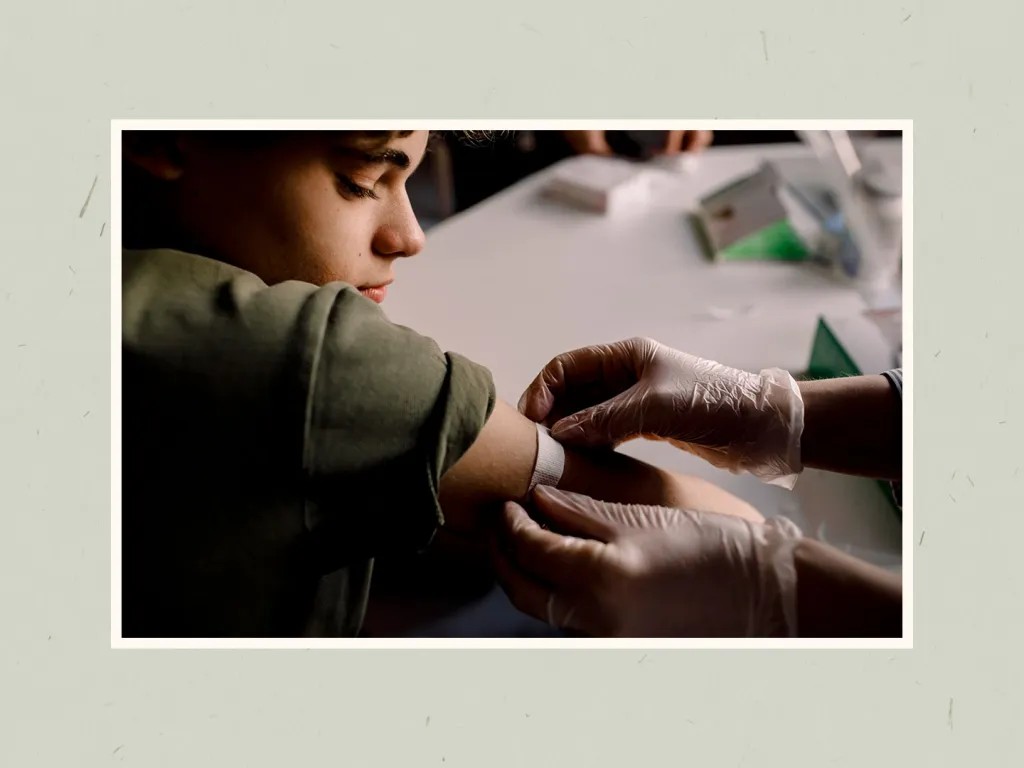
The landscape of pediatric vaccination can feel overwhelming. With conflicting information circulating online and complex medical guidelines, parents often struggle to determine which shots are essential and when they should be administered. However, when it comes to meningitis—a rare but potentially devastating infection—vaccines are not just recommended; they are critical lifelines.
Understanding the distinction between types of meningitis, recognizing the symptoms, and adhering to the vaccination schedule can mean the difference between a manageable illness and a life-threatening emergency.
Understanding the Threat: Bacterial vs. Viral Meningitis
Meningitis is the inflammation of the protective membranes covering the brain and spinal cord. While it can be caused by viruses or bacteria, the severity varies drastically between the two.
Bacterial meningitis is the primary concern for public health. It is highly contagious and can progress rapidly, becoming fatal in approximately 10% of cases. The most common bacterial causes include:
* Streptococcus pneumoniae (Pneumococcus): The leading cause in infants and young children.
* Neisseria meningitidis (Meningococcus): Highly contagious and often associated with outbreaks in close-contact settings.
It is important to note that carrying the meningococcus bacterium does not automatically lead to disease. About one in 10 people carry this bacterium in their nose or throat without ever falling ill. However, when it does cause an acute infection, the deterioration can be swift and severe.
Viral meningitis, by contrast, is generally less serious and often resolves on its own, though it can still cause significant discomfort and require medical monitoring.
Who Is at Highest Risk?
While meningococcal disease can affect anyone at any age, epidemiological data highlights two specific high-risk groups:
1. Infants under one year old: Their immune systems are still developing, making them vulnerable to pneumococcal and meningococcal strains.
2. Teens and young adults (ages 16–23): This group faces heightened risk due to communal living arrangements, such as college dormitories and military housing, where close contact facilitates the rapid spread of germs.
The Challenge of Early Detection
One of the most dangerous aspects of meningitis is its deceptive early stages. Symptoms often mimic common illnesses like the flu, including:
* Fever
* Lethargy or extreme irritability
* Headaches
However, specific signs can indicate a more serious condition, particularly if meningococcus is the culprit:
* A rash that does not fade under pressure: A red or purplish rash that remains visible when pressed with a clear glass is a critical warning sign.
* Stiff neck and light sensitivity: Classic indicators of meningeal irritation.
* Bulging fontanelle: In infants, a tense or bulging soft spot on the head.
Key Insight: Because early symptoms are non-specific, rapid diagnosis and treatment are essential. Bacterial meningitis requires immediate antibiotic therapy, while severe cases can lead to seizures, permanent disabilities, or death if left untreated.
The Vaccine Shield: What Parents Need to Know
Vaccines have dramatically reduced the global incidence of meningitis. The American Academy of Pediatrics (AAP) outlines a specific vaccination strategy designed to protect children at their most vulnerable stages of development.
For Infants and Young Children
Parents should ensure their children receive two primary vaccine series:
* Pneumococcal Vaccine: Protects against Streptococcus pneumoniae.
* Haemophilus Influenzae Type B (Hib) Vaccine: Despite the name, this does not protect against the flu; it prevents a bacterium that can cause meningitis, pneumonia, and epiglottitis.
For Preteens and Teens
- MenACWY Vaccine: Recommended for all preteens at ages 11–12, with a booster dose at age 16. This shot protects against four specific strains of meningococcus.
- MenB Vaccine: Targets a different strain of meningococcus. It is typically recommended for ages 16–18 through “shared clinical decision-making,” meaning parents and providers discuss individual risk factors (such as college living plans) to determine necessity.
Why Timing and Adherence Matter
The vaccination schedule is not arbitrary. It is based on two critical factors:
1. Risk Exposure: Aligning protection with ages when children are most likely to encounter the pathogens (e.g., school entry, college).
2. Immune System Development: Ensuring the child’s body is mature enough to mount an effective immune response to the vaccine.
Furthermore, many routine childhood vaccines offer indirect protection against viral meningitis. For example, the chickenpox vaccine prevents a virus that can cause meningitis as a complication.
Prenatal Care is Also Preventive
Prevention begins before birth. Pregnant individuals should maintain routine prenatal care to screen for infections like Herpes Simplex Virus (HSV). HSV can be transmitted to the baby during delivery, causing a severe form of neonatal meningitis.
Conclusion
Meningitis remains a serious medical threat, but it is largely preventable through modern medicine. By following the AAP’s vaccination schedule—which extends well into the teenage and young adult years—parents can provide their children with robust protection against both bacterial and viral forms of the disease.
If you have questions about your child’s specific risk factors or vaccination status, consult your pediatrician. And remember: if an infant under 60 days old develops a fever, or if a child shows signs of a non-fading rash and stiff neck, seek immediate medical attention. Vaccines are your child’s best defense, but vigilance is their safety net.