
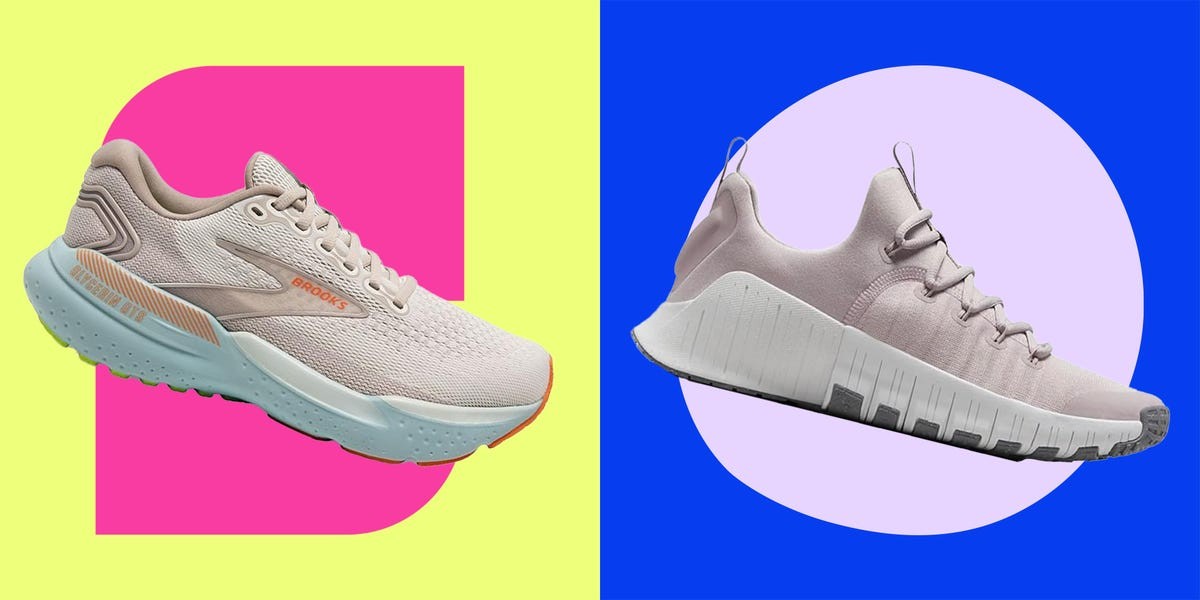
Many fitness enthusiasts search for a “unicorn” sneaker—a single, stylish pair of shoes capable of handling a marathon, a heavy deadlift session, and a high-intensity interval training (HIIT) class. However, experts warn that such a shoe rarely exists.
Because different physical activities place unique stresses on the feet and joints, using the wrong footwear can compromise your stability and increase your risk of injury. To perform at your best, you must match your shoe’s technical specifications to your specific movement patterns.
Why One Shoe Doesn’t Fit All
The primary reason you cannot use the same shoe for every workout lies in the fundamental difference between impact absorption and ground stability.
- Running Shoes: These are designed for high shock absorption. They feature significant cushioning to protect joints from the repetitive impact of hitting the pavement. However, this extra cushion lifts your foot away from the ground, which can create an unstable base for heavy lifting.
- Weightlifting Shoes: Strength training requires “intimacy with the ground.” To lift heavy weights safely, you need a stable, flat surface to provide support and dynamic mobility.
- HIIT Shoes: These act as a middle ground, offering a balance of moderate cushioning for jumping and enough stability for lateral movements.
Key Technical Factors to Consider
When shopping for footwear, focus on two critical metrics: cushioning and “heel-to-toe drop.”
1. Cushioning Levels
Cushioning is essential for shock absorption, but its necessity varies by activity:
– High Cushioning: Best for running to absorb repetitive impact.
– Medium Cushioning: Ideal for HIIT to balance comfort and agility.
– Low Cushioning: Preferred for strength training to maintain a stable connection to the floor.
2. Heel-to-Toe Drop
The “drop” refers to the height difference between the heel and the forefoot. This measurement significantly impacts your biomechanics:
– High Drop (8mm–12mm+): Beneficial for runners. A higher heel helps alleviate pressure on the Achilles tendon and the plantar fascia.
– Low or Negative Drop: Essential for lifters. When performing heavy lifts, your power is driven through the heels; a flatter or even slightly negative drop provides better grip and stability.
Don’t Overlook the Basics: Size and Shape
Even if you have worn the same size for years, your feet are not static. Experts suggest getting professionally fitted annually for several reasons:
– Aging: Feet naturally change shape and size as we age.
– Life Stages: Significant changes, such as pregnancy, can alter foot dimensions.
– The “Small Shoe” Trap: Many women mistakenly wear shoes that are a half to a full size too small, which can lead to discomfort and long-term issues.
Pro Tip: If you are on a budget and cannot afford multiple pairs, choose the shoe that matches your most frequent activity. If you must lift weights in running shoes, consider lifting barefoot when safe to do so; this allows your foot muscles to engage more effectively with the ground.
Summary
To maximize performance and minimize injury, select footwear based on your primary movement: high cushioning and a high drop for running, moderate specs for HIIT, and minimal cushioning with a flat profile for weightlifting. Matching your shoe’s geometry to your workout is the most effective way to ensure both stability and joint health.