For many, the approach to fitness in later life is often synonymous with “slowing down”—focusing on gentle stretching, low-impact movement, and maintaining basic mobility. However, a powerful counter-trend is emerging: the shift toward intentional strength training as a cornerstone of longevity and mental resilience.
One woman’s journey from the isolation of grief to peak physical strength at age 75 illustrates why this shift is so vital for aging populations.
From Isolation to Empowerment
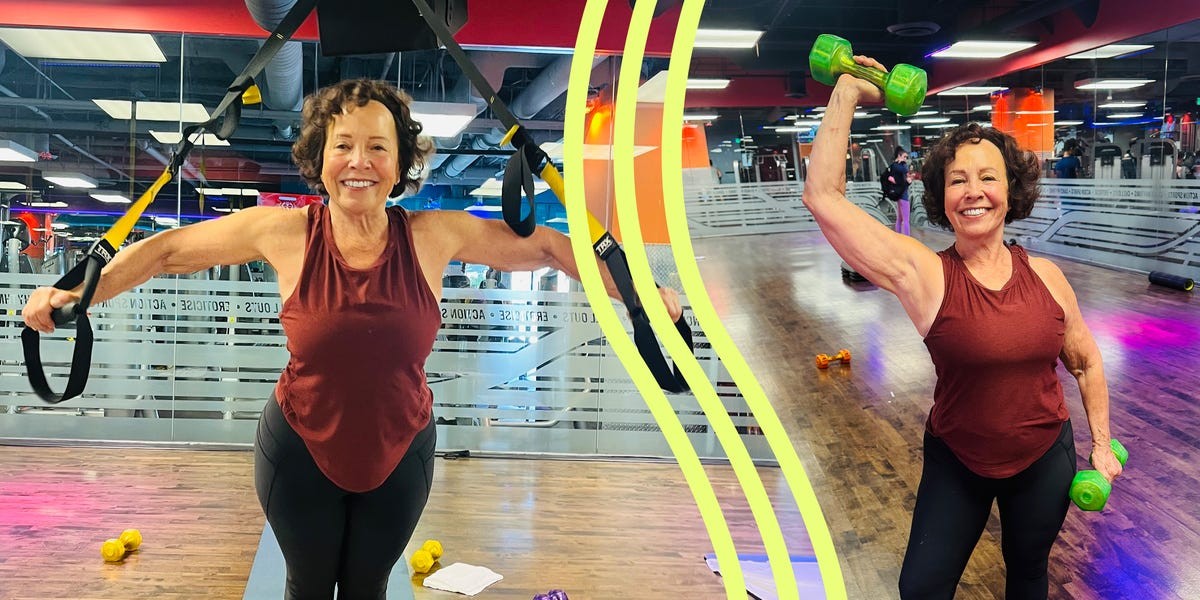
Following the loss of her husband and the onset of the pandemic, a period of deep stagnation and depression set in. After moving to a new environment to break the cycle of isolation, she made a pivotal decision: she moved away from traditional “low-impact” routines and toward structured resistance training.
The transition was not merely about physical movement; it was a complete lifestyle overhaul involving three key pillars:
- Strength-First Training: Moving from light stretching to progressive weightlifting.
- Nutritional Discipline: Prioritizing protein intake and managing carbohydrate and sugar consumption to support muscle recovery.
- Community Integration: Using the gym as a social hub to combat the loneliness often associated with aging.
The Science of “Muscle as Medicine”
Her experience highlights a critical biological reality: sarcopenia, the age-related loss of muscle mass, is one of the greatest threats to independence in older adults. By focusing on lifting heavier weights—progressing from 5lb dumbbells to 12lb weights—she effectively countered this decline.
The benefits of this regimen extended far beyond aesthetics:
* Physical Resilience: Improved muscle tone in the legs and core, leading to better balance and stability during activities like golf and pickleball.
* Metabolic Health: Improved sleep quality and increased satiety through protein-focused nutrition.
* Mental Fortitude: A significant boost in confidence and a reduction in depressive symptoms through consistent routine and social connection.
A Blueprint for Consistency
Maintaining a rigorous six-day-a-week schedule at 75 requires more than just willpower; it requires a strategic approach to daily life. Her routine offers several actionable insights for anyone looking to revitalize their health:
1. Curate a Supportive Community
Social connection acts as an accountability mechanism. Finding a “tribe” of like-minded individuals provides the motivation to push through difficult workouts and offers much-needed intellectual stimulation through social interaction.
2. The Psychology of Presentation
While it may seem superficial, the act of “dressing for success”—investing in quality workout gear and taking time for personal grooming—serves as a psychological trigger. It signals to the brain that the day has purpose, boosting the confidence required to tackle new challenges.
3. Intentional Presence
In the face of grief and the natural losses that come with age, a structured routine provides a sense of agency. Focusing on “one foot in front of the other” through exercise allows individuals to reclaim control over their physical and mental state.
“I work out to stay limber, be able to stand up when I fall, keep my blood flowing, and to be able to wake up every day and greet the sunshine.”
Conclusion
This journey demonstrates that aging does not necessitate a decline in capability. By prioritizing strength training, proper nutrition, and social engagement, it is possible to transition from a state of frailty to one of profound physical and mental vitality, regardless of age.