


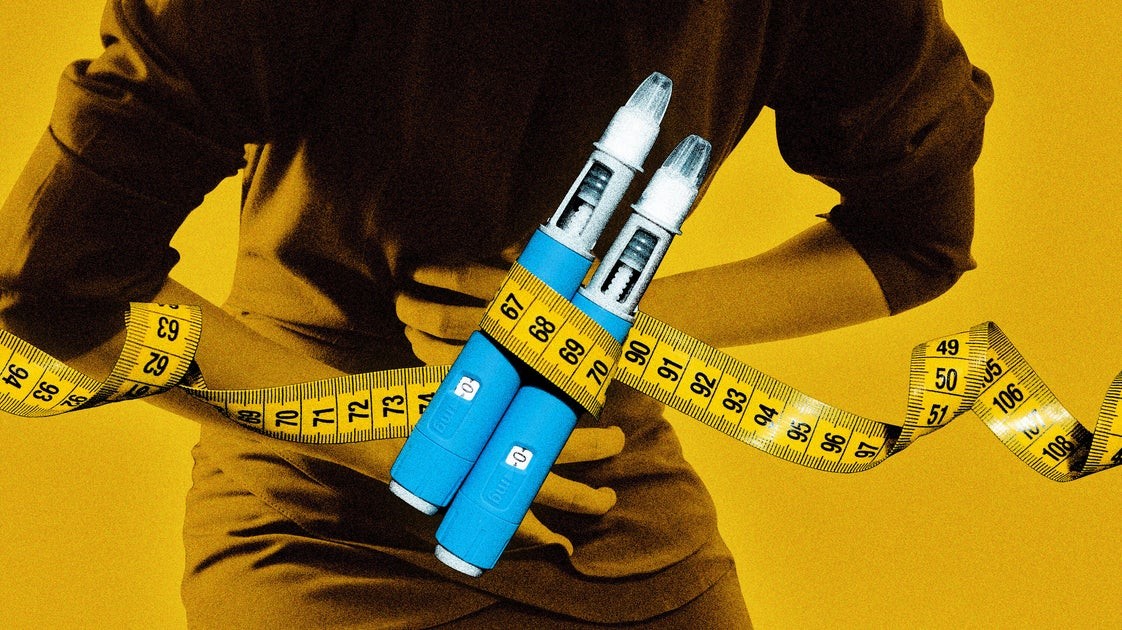
Ozempic. Wegovy. Zepbound.
They aren’t just trendy anymore. They are a medical fact of life.
Originally for type 2 diabetes? Sure. But the FDA green-lit them for weight loss. The upside? Reduced cancer risk, better heart health, less cognitive decline.
“It works by making you less hungry. It makes your stomach empty slowly. It shrinks your fat cells hormonally.”
— Dr. Holly Lofton. NYU Langone.
Simple enough.
But Dr. Naomi Parrella calls these meds “very, very powerful.” That’s the key. They hit hard. Hard hits leave marks. Side effects range from annoying to life-ending. Not everyone gets sick. Some do.
Here’s what happens inside the body.
Gut revolt
Nausea is the king.
It hits 44% of trial users. Then come the vomiting. The constipation. Loose stools. Acid reflux. Heartburn. Burping.
“They mimic a natural hormone… and amplify it.”
Because the gut moves slow. Food sits. It rots a bit. You feel it.
Sensitivity varies. You might be fine. Or you might spend every meal thinking about your last one.
Thirst trap and hunger gaps
Your body forgets to whisper.
No hunger cues. No thirst signals.
Dr. Lofton sees it often. Patients just don’t eat. They don’t drink.
“It can cause risks related to dehydration. Not having enough electrolytes. Or possibly not eating enough nutrients. Like protein. Or fiber.”
You get full fast. You eat less. Your body starves for fuel. Muscles worry. Bones worry.
The heavy stuff
Pancreatitis.
That’s inflammation. It hurts. The med tells the pancreas to pump more insulin for every carb you chew. Starches? Sugars? The pancreas goes into overdrive. Sometimes it inflames.
Gallstones form. Gallbladder anger. Kidney failure from too much vomit. Too much dry.
And then there’s the blockage.
“Food stops moving. Because it gets stuck.”
Dehydration plus slow gut equals pileup.
Intestinal obstruction isn’t a joke.
Neither is gastroparesis.
Stomach paralysis. Food won’t move forward. It doesn’t go away when you quit the drug. It stays. Litigation is already heating up because nobody knows who will get hit next.
Teeth in trouble
Dr. Elizabeth Walton looks at smiles.
She sees decay. Gum disease.
Why? Dry mouth.
Saliva protects teeth. Lubricates gums. GLP-1s kill the flow. Less spit means acids win. Cavities dig in. Bacteria celebrate.
Talk. Now.
Vomit once? Call.
It could be nothing. Or it could be the start of pancreatitis.
Dr. Parrella hates when people “suck it up.”
“I know nausea is normal,” they say. “Constipation is just how the med works.”
No.
It’s not a feature. It’s a signal. Ignoring it makes serious problems harder to stop. Fear of losing the prescription stops people from talking. That’s when things break.
Survive the dose
Rules apply.
Drink water. Aggressively.
Prioritize protein. Save your muscle. Add strength training to your routine. Don’t just let the weight vanish into thin air. Build.
Eat early.
Stop eating three or four hours before bed. Why? Because the food won’t move if you lie down. It comes back up. Acid reflux ruins sleep.
The unknown
We don’t have long-term data.
None of us do.
“Do they cause cancer? What happens when you stop? Does the weight bounce back? Metabolic rebound? Interactions in groups not tested?”
The doctors are excited. They should be. Medicine is moving fast.
But caution is required.
Watch your body. If something feels wrong. Speak. Find a partner in this. Not just a prescriber. A partner.
Think about risk. Versus benefit.
Especially if you don’t have a weight condition. The math changes.
These drugs save people. They heal.
They are not water. They are heavy. Respect them.
What happens in five years? Nobody knows. 🧪


