
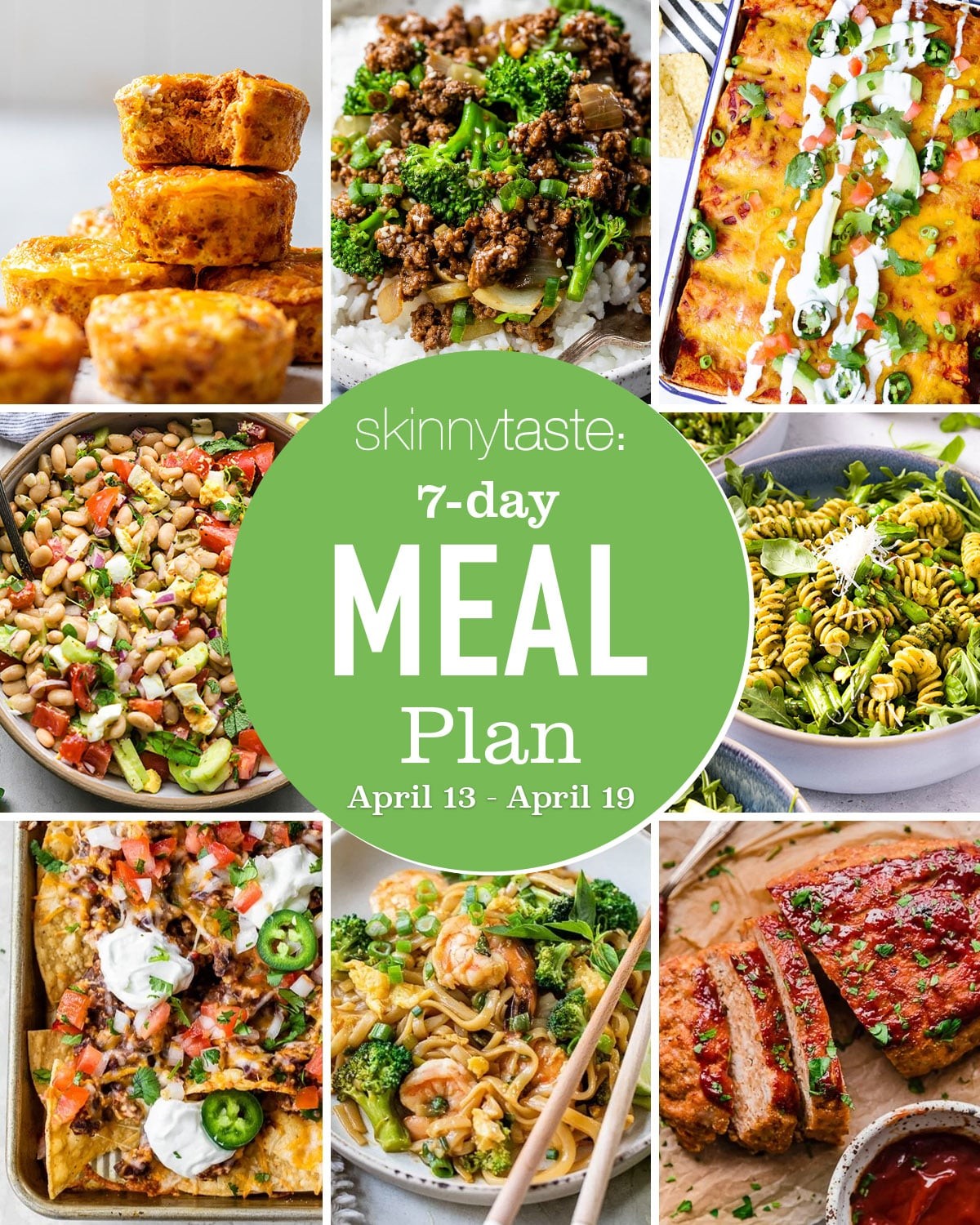
Managing a healthy diet often becomes difficult when life gets busy. As seasons change and schedules fill up with extracurricular activities and social commitments, the temptation to opt for convenience foods increases. To combat this, a structured yet flexible meal plan can serve as a vital tool for maintaining nutritional goals without the stress of constant decision-making.
The Strategy: Efficiency and Flexibility
The core philosophy of this meal plan is strategic preparation. By utilizing “set-and-forget” methods—such as slow cooker recipes or one-pan meals—you can ensure that nutritious dinners are ready even on your busiest evenings.
This plan is designed with two key practicalities in mind:
– Scalability: Weekday breakfasts and lunches are portioned for one person, while dinners and weekend meals are scaled for a family of four.
– Leftover Utilization: To minimize food waste and cooking time, several meals are designed to be repurposed for lunch the following day.
Note on Caloric Intake: While the daily totals in this plan range between 790 and 1,279 calories, these figures are intended as a baseline. Most adults, particularly women, should aim for approximately 1,500 calories per day. This plan leaves “wiggle room” for essential additions like coffee, snacks, fruit, or beverages to meet your specific metabolic needs.
Weekly Meal Schedule (April 13–19)
Monday – Wednesday: The Transition Period
The week begins with high-protein breakfasts and quick lunches to fuel the start of the work week, transitioning into hearty family dinners.
- Monday: Chorizo Egg Bites with pineapple; Spicy Canned Salmon Rice Bowl; Pesto Pasta with asparagus, peas, and pistachios.
- Tuesday: Chorizo Egg Bites with pineapple; Leftover Pesto Pasta; Chicken Enchiladas with avocado, black beans, and rice.
- Wednesday: Chorizo Egg Bites with an orange; Leftover Chicken Enchiladas; One-pan roasted potatoes, sausage, and peppers.
Thursday – Friday: Maximizing Leftovers
As the week progresses, the plan leans on leftovers to reduce kitchen time, ensuring you stay on track even as fatigue sets in.
- Thursday: Chorizo Egg Bites with an orange; Leftover Chicken Enchiladas; Ground beef and broccoli stir-fry with brown rice.
- Friday: Berry cottage cheese breakfast bowl; Spicy canned salmon rice bowl; Drunken noodles.
The Weekend: Flexibility and Family
The weekend shifts toward larger-scale meals and social flexibility, acknowledging that eating out is a natural part of a balanced lifestyle.
- Saturday: Green smoothie bowls; Loaded turkey, bean, and cheese nachos; Dinner out.
- Sunday: Crustless quiche with strawberries; White bean salad; Turkey meatloaf with Instant Pot mashed potatoes and asparagus.
Why Meal Planning Works
A structured plan does more than just dictate what you eat; it acts as a financial and organizational tool. By following a comprehensive grocery list, you can:
1. Reduce Food Waste: Buying only what is necessary for the week’s recipes.
2. Save Money: Minimizing impulsive purchases and expensive last-minute takeout.
3. Reduce Decision Fatigue: Removing the daily mental burden of “what’s for dinner,” which is often when unhealthy choices are made.
Conclusion
This 7-day plan provides a roadmap for balancing nutritional discipline with the realities of a busy lifestyle. By leveraging leftovers and strategic prep, you can maintain healthy eating habits without sacrificing time or convenience.