
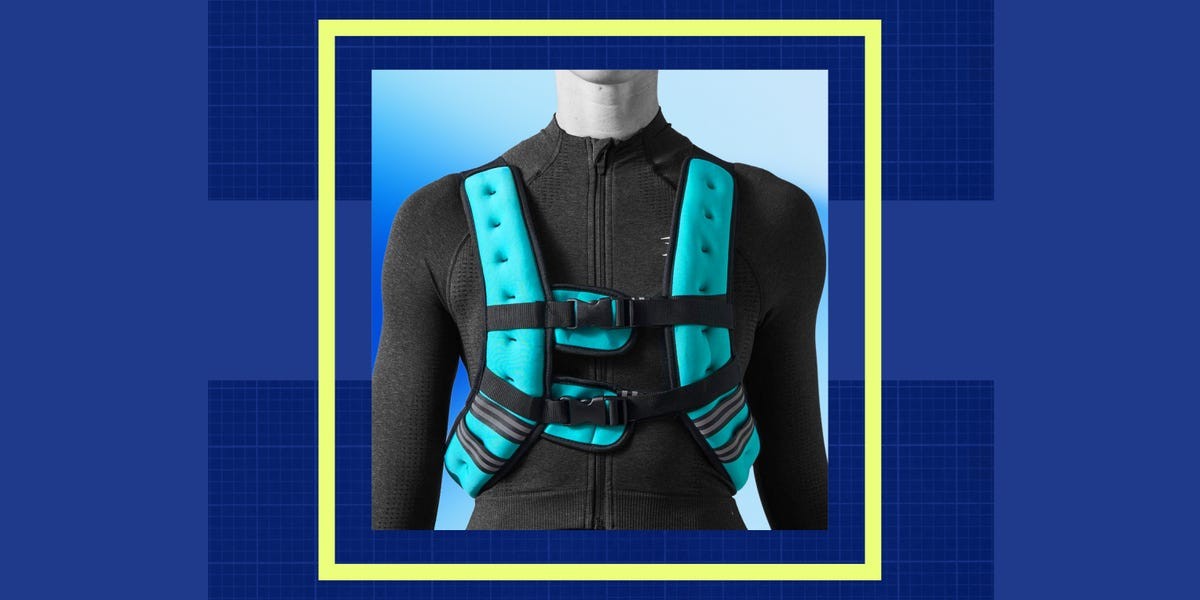
If you have spent any time on social media over the last few years, you have likely seen the rise of the weighted vest. Once considered niche equipment reserved for special forces or hardcore strength athletes, these harnesses have undergone a rebranding. Today, they are marketed as sleek, stylish accessories aimed at a much broader, mainstream fitness demographic.
But while the marketing is aggressive, does the science actually support the claims?
The Gap Between Hype and Research
Despite their sudden popularity in the wellness community, there is a significant disconnect between how weighted vests are being sold and what the scientific community actually knows about them.
According to fitness experts Jacqueline Andriakos and Cori Ritchey, C.S.C.S., the “hype” has moved much faster than the clinical evidence. When evaluating the effectiveness of these tools, two major issues arise:
- A Lack of Specific Studies: There is a shortage of research specifically targeting the way the average fitness enthusiast uses a vest—such as during a brief, intense period of activity.
- Inconsistent Data Application: Much of the existing research focuses on different use cases. For example, many studies observe older adults wearing vests for extended periods (up to eight hours a day) to assist with mobility or bone density. This does not provide a direct parallel to a person wearing a vest for a 30-minute brisk walk or a one-hour strength training session.
Why Context Matters
In fitness science, dosage and duration are everything. A tool designed for long-term, low-intensity wear (like a medical aid for elderly mobility) functions very differently than a tool used for short-term, high-intensity metabolic conditioning.
Because most research doesn’t mirror the “bout” style of exercise—short, purposeful bursts of movement—it is difficult to definitively say whether adding a vest to your morning walk will significantly “move the needle” on your fitness results.
The Psychological Edge
While the physiological data may be inconclusive, there is another factor to consider: motivation.
For many users, the weighted vest acts as a psychological tool. The mere act of putting on specialized gear can signal to the brain that it is time to work, helping to cement a workout habit. If the equipment serves as a catalyst to get you out the door and moving, it provides a functional benefit regardless of the specific caloric burn.
If a weighted vest helps you stay consistent and motivated to get moving, it is a worthwhile addition to your routine.
Conclusion
While scientific evidence hasn’t yet caught up to the massive marketing push for weighted vests, they can still be a valuable tool for those who find them motivating. Ultimately, the best piece of fitness equipment is the one that actually gets you moving.