



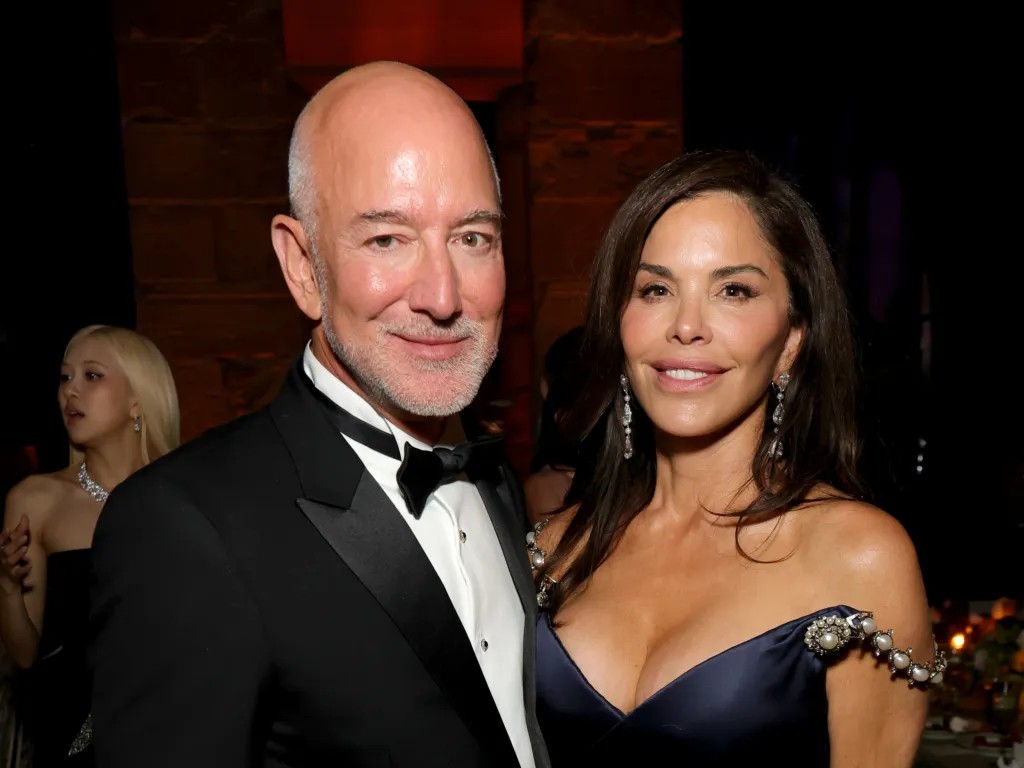
The 2026 Met Gala has become the epicenter of a broader debate about the future of fashion’s most prestigious event. Following significant financial contributions from Jeff Bezos and Lauren Sánchez, insiders suggest that organizers are reevaluating the gala’s direction, potentially moving away from its recent corporate-heavy model toward a smaller, more exclusive format.
A Shift in Power and Perception
Jeff Bezos and Lauren Sánchez emerged as the unofficial faces of the 2026 event after reportedly donating upwards of $10 million to the Metropolitan Museum of Art’s Costume Institute. Serving as honorary co-chairs, the couple helped usher in a new era for the gala, one characterized by substantial involvement from technology giants. Guests from companies like Meta, OpenAI, and Snapchat were present, marking a stark departure from the event’s traditional roster of actors, musicians, and artists.
However, this influx of tech capital has come at a cost to the gala’s cultural cachet. Critics argue that the event has become overly commercialized and desperate for viral attention.
“Jeff and Lauren shattered the illusion that the Met Gala is still the most exclusive invitation on earth,” one fashion insider noted. “Suddenly the Met looked overexposed, corporate, and oddly outdated.”
Public Backlash and Internal Reckoning
The controversy extended beyond industry whispers into public protest. Demonstrations erupted outside the venue and across New York City, drawing support from high-profile figures such as Mark Ruffalo and Olivia Rodrigo. The backlash highlighted a growing disconnect between the gala’s intended purpose—a fundraiser for the museum—and the optics of billionaire-driven spectacle.
In response to the unrest, Bezos notably avoided walking the red carpet, leaving Sánchez to enter alone before joining him inside. This subtle distancing may reflect an internal acknowledgment of the event’s shifting dynamics. According to sources, there is a growing consensus among organizers that the current formula is no longer sustainable.
“There’s a real feeling internally that the Met Gala has reached a breaking point,” an insider told Naught but Nice. “Too many celebrities, too much noise, too much desperation to go viral. People are finally admitting the formula no longer works.”
The Road Ahead: Smaller and Quieter?
The immediate future of Bezos and Sánchez’s involvement remains uncertain, with speculation suggesting their role may be limited to this year. Organizers are reportedly considering a strategic pivot to restore the event’s original spirit.
- Reduced Scale: Plans are being discussed to make the gala “smaller, quieter, and more exclusive again.”
- Curated Guest List: A potential move away from broad celebrity appeal toward a more selective, perhaps less publicized, attendee list.
- Brand Protection: Efforts to distance the event from the “corporate” label that has recently dominated headlines.
Meanwhile, Lauren Sánchez continues to deepen her footprint in the fashion world. Following her marriage to Bezos in June 2025, she spearheaded The Next Thread Initiative, a partnership with the Council of Fashion Designers of America (CFDA) supported by the Bezos Earth Fund. Despite rumors that Bezos was attempting to acquire Condé Nast (publisher of Vogue ), those talks did not result in a sale. Yet, Sánchez’s commitment to the industry remains evident.
“I’m learning more and more about fashion every day,” Sánchez stated in a 2026 Met Gala interview.
Conclusion
The 2026 Met Gala serves as a turning point, exposing the tension between financial necessity and cultural prestige. As the Met reevaluates its strategy, the central question remains whether it can reclaim its aura of exclusivity without sacrificing the substantial funding that now defines its survival.


