
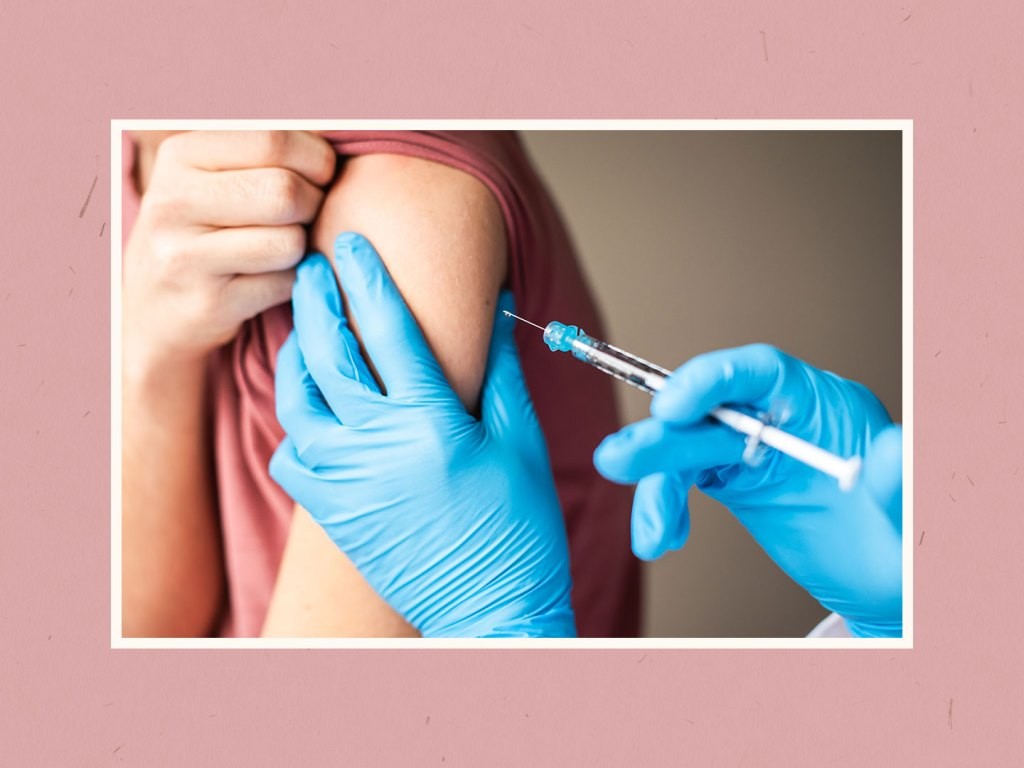
Recent trends indicate a notable shift in adolescent health behavior: more teenagers are choosing to get vaccinated. While public discourse often focuses on vaccine hesitancy, a growing number of young people are proactively seeking immunizations, driven by personal health goals, career aspirations, and a desire for factual clarity.
Personal Health and Career Goals
For many teens, vaccination is not just a medical requirement but a strategic choice for their future. Consider the experience of a 17-year-old working at a veterinary clinic. This individual maintains a rigorous vaccination schedule, including annual flu shots and COVID-19 boosters, alongside routine tetanus boosters due to occupational exposure risks.
The motivation extends beyond general wellness. For aspiring pilots, for instance, staying healthy is critical. Illness can ground a trainee, delaying progress toward a private pilot’s license and potentially impacting future career trajectories. Vaccination serves as a preventative measure to ensure continuity in training and professional development.
“I like when we’re vaccinated, because it means the people I come in contact with hopefully won’t get me sick and I won’t get them sick.”
This sentiment highlights a broader understanding of herd immunity. Many teens recognize that their personal health choices directly impact the well-being of their peers, family, and community.
The Impact of Misinformation
The rise in teen vaccination rates occurs against a backdrop of widespread misinformation. Anti-vaccine narratives have infiltrated various sectors, including pet ownership. At veterinary clinics, staff frequently encounter owners who have been influenced by non-medical sources to reject animal vaccinations.
This misinformation has serious consequences:
* Public Health Risks: Unvaccinated pets can carry zoonotic diseases like rabies and leptospirosis, posing threats to human health.
* Tragic Outcomes: In cases where an unvaccinated animal bites someone, the animal may be euthanized for testing, a preventable tragedy for both the pet and the owner.
Veterinary professionals emphasize that while vaccination remains a personal choice, educated decisions based on medical facts lead to better outcomes for both animals and humans. Open conversations about risks and benefits often alleviate owner concerns, demonstrating the power of clear communication over fear-based narratives.
Addressing Hesitancy and Accessibility
Despite the positive trend, challenges remain. Family dynamics can play a significant role, with some teens facing pressure or criticism from anti-vaccine relatives. Additionally, there are concerns about healthcare policy. Changes in childhood vaccination recommendations could lead insurance companies to reduce coverage, potentially making vaccines less accessible for low-income families who rely on these protections.
It is crucial to acknowledge that while adverse reactions to vaccines can occur, they are rare exceptions. As with any medication, such as penicillin, the benefits for the vast majority far outweigh the risks for a small subset of individuals with specific allergies or conditions.
Conclusion
The increasing willingness of teenagers to get vaccinated reflects a maturing understanding of personal and public health. By prioritizing immunizations, teens are protecting themselves, supporting their career goals, and combating the spread of misinformation. This trend underscores the importance of accessible, accurate health information in empowering young people to make informed decisions.