



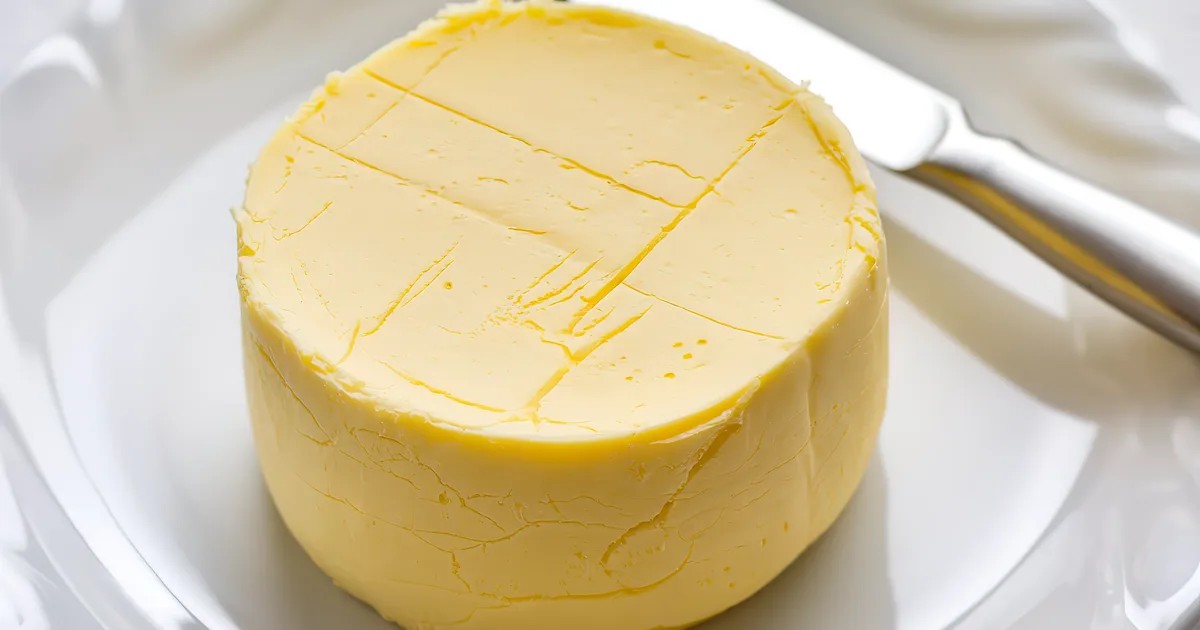
Butter has transitioned from a humble kitchen staple to a culinary centerpiece. Whether it is being whipped into sculptural art, swirled into pasta, or spread thick on a warm baguette, the quality of your butter can fundamentally change the character of a dish.
However, most shoppers continue to grab the same generic brands without realizing that not all butter is created equal. To navigate the dairy aisle effectively, it helps to understand the science of what makes butter “premium”—specifically the roles of culture and butterfat.
The Secret to Richer Flavor: Cultured vs. Sweet Cream
The most significant difference in flavor profiles comes down to how the cream is processed.
- Sweet Cream Butter: This is the standard in most American grocery stores. It is made by churning pasteurized fresh cream, resulting in a mild, clean, and neutral taste.
- Cultured Butter: This is the gold standard for flavor enthusiasts. The cream is fermented with lactic acid bacteria before churning (similar to the process used for yogurt). This fermentation creates a complex, slightly tangy, and much more pronounced buttery flavor.
“When butter is the star of the show—like spread on a crusty baguette—it has to be cultured,” says John Montez, a certified cheese professional at Murray’s Cheese.
Why Butterfat Content Matters
If flavor is driven by culture, texture and performance are driven by butterfat. Butterfat is the creamy component of the butter; the higher the percentage, the less water is present in the product.
This distinction is vital for two reasons:
1. Baking Performance: Higher-fat butters (typically 82–85%) allow for better aeration when “creaming” butter and sugar, leading to flakier pastries and smoother sauces.
2. Richness: More fat means a more luxurious mouthfeel and better browning in the pan.
Pro Tip: To check the fat content, look at the nutrition label. Since a standard tablespoon of butter weighs about 14 grams, a high-quality butter will typically show 11 to 12 grams of fat per serving. If it shows closer to 10 grams, it is likely a standard 80% fat butter.
Expert Recommendations: What to Buy
Based on insights from chefs and culinary educators, here is a guide to what to look for in the aisles:
The Premium Picks (Best for spreading and finishing)
- Kerrygold: Highly regarded for its consistent, grass-fed Irish quality.
- Vermont Creamery: An excellent choice for salted cultured butter.
- Vital Farms: A widely available option with a high 83% butterfat content.
- Local Brands: Whenever possible, local dairy brands often offer superior freshness.
The Everyday Workhorses (Best for high-heat cooking)
You don’t always need a “golden brick” of expensive butter. For sautéing or general cooking where the butter is a background ingredient, standard supermarket or private-label brands work perfectly well.
A Quick Guide to Decoding Labels
When scanning the dairy case, keep these terms in mind:
– Cultured: Means fermented for a deeper, more complex flavor.
– Grass-fed: Generally indicates a richer color and a more nutrient-dense profile.
– European-style: Usually implies both higher butterfat and a cultured process.
– Salted vs. Unsalted: Use salted for spreading and finishing; use unsalted for baking to maintain precise control over your recipe’s seasoning.
Summary of Best Practices
To get the most out of your butter, avoid tub-style or whipped butters when baking, as their high water and air content can ruin delicate pastry textures. Additionally, remember that butter absorbs odors easily; if you are freezing it, ensure it is tightly sealed.
The Bottom Line: While standard butter is fine for everyday cooking, upgrading to a cultured, high-fat, or grass-fed variety can transform simple ingredients—like toast or noodles—into restaurant-quality meals.


