
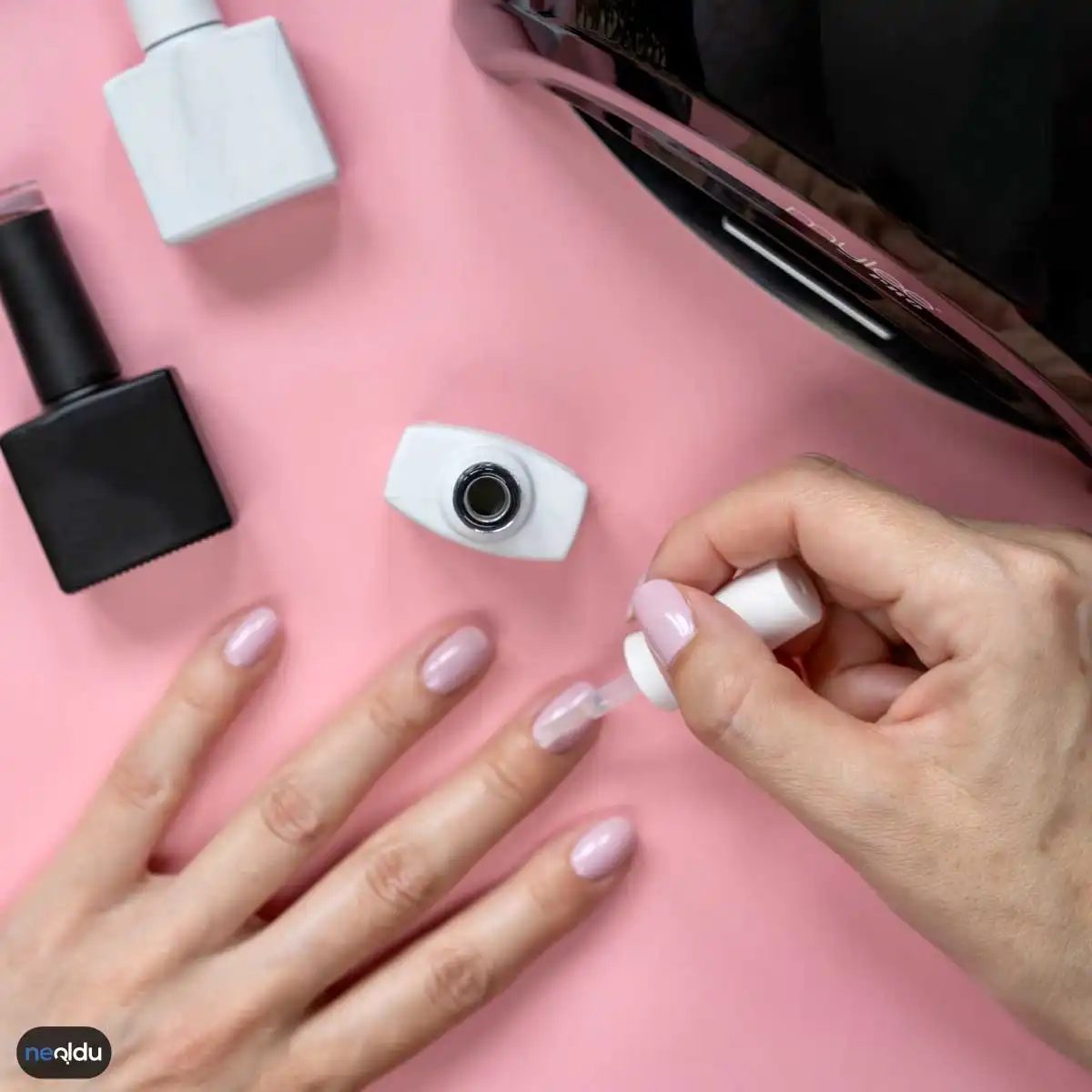
Renk değiştiren oje nedir? Aslında kullanımı sıradan bir oje ile neredeyse birebir aynı. Fırçayı sür, kurula bekle, iş bitti. Ancak bu basitlik arkasında biraz daha teknik bir detik yatıyor. Bu oje türleri, üzerlerinde bulunan özel termokromatik pigmentler sayesinde ortam sıcaklığındaki değişime tepki verir. Sıcaklık düştüğünde veya yükseldiğinde kimyasal yapıları değişir ve rengini değiştirir. Bu da ona o büyülü, canlı ve beklenmedik görünümü kazandırır.
Neden Bazı Ortamlarda Rengi Değişmiyor?
Herkes bu ojenin sihirli özelliğini yaşamak istiyor. Ama bazen hayal kırıklığına uğrayabiliyorsun. Özellikle soğuk havalarda tırnaklarının rengi hiç değişmeyebilir. Bu bir kusur değil, fiziksel bir gerçek. Termokromatik pigmentlerin aktivasyonu için belirli bir eşik sıcaklığı gerekir. Eğer ortama ya da tırnağın yüzeyine ulaşan ısı bu seviyenin altındaysa, renk dönüşümü gerçekleşmez. Yani kışın dışarıdaysan ve tırnakların aynı renkte kalıyorsa, ojen bozuk değildir. Sadece havanın ısısı değişimi tetiklemeye yetmiyor demektir.
Pratik Kullanım İpuçları
Bu oje türünü almadan önce bilmen gereken birkaç şey var. İlk olarak, bekleneni karşılaması için tırnaklarının temiz ve kuru olduğundan emin ol. Yağlı bir tırnak yüzeyi pigmentlerin düzgün reaksiyon vermesini engelleyebilir. Uygularken ince katlar halinde gitmek daha iyi sonuçlar verir. Kalın katlar hem kuruma süresini uzatır hem de rengin eşit değişimini zorlaştırır.
Ayrıca, bu oje türü genellikle daha kısa süre dayanabilir. Normal ojelere kıyasla tabaka yapısı daha hassastır. Bu yüzden üst vernik kullanımı hem koruyucu olur hem de parlaklığı artırır. Ancak üst verniğin sıcaklık etkisini tamamen bloke edip etmediğini test etmek iyi fikir olabilir. Bazı kalın katlı üst vernikler, tırnağın sıcaklığını izole ederek renk değişimini geciktirebilir.
Termokromatik ojeler sadece bir aksesuar değil, ortamın sıcaklığıyla dans eden canlı parçacıklardır. Onları anlamak, onları doğru kullanmanın anahtarıdır.
Hangi Durumlarda En İyi Sonucu Verir?
Bu oje türleri özellikle geçiş mevsimlerinde veya iç mekan sıcaklığıyla dış ortam sıcaklığının farklı olduğu durumlarda dikkat çeker. Bir kafe içinden dışarı çıktığında, rüzgar tırnaklarına çarptığında rengi aniden değişebilir. Ya da sıcak bir çay bardağını tutarken, temas ettiği yüzeyde renk tonu değiştirebilir. İşte bu anlar
Termal Ojeler Nasıl Çalışıyor?
Geleneksel laklara alışkınsanız, bu tür ürünler neredeyse canlı bir varlık gibi gelir. Aslında kimyasal bir reaksiyon söz konusu. İçerdiği termokromik pigmentler, ortamın sıcaklığına anlık tepki verir. Soğuk havada tırnaklarınız mavi veya koyu tonlarda kalırken, içeri girdiğiniz sıcak bir mekana girer girmez renk kaybolur veya tamamen farklı bir tona, örneçe pembeye veya beyaza döner. Bu sadece bir trend değil, fizik kurallarının parmak uçlarınızda sahnelediği küçük bir gösteri.
Neden Termal Lak Kullanmalısınız?
Sıradan bir renk seçmek yerine sıcaklık duyarlı oje tercih etmenin arkasında yatan en büyük neden, görsel derinliktir. Tek düz renkler zamanla sıkıcı gelebilir. Oysa termal ojeler, giydiğiniz kıyafete veya bulunduğunuz mekana göre değişen bir dinamik sunar. Elinizin soğuk olduğunu hissediğinizde oje koyu bir ton sergiler. Avuç içinizi ovuşturduğunuzda veya sıcak bir içecek tuttuğunuzda renk açılır.
Bu özellik, particularly kış aylarında büyük avantaj sağlar. Karlı, soğuk günlerde koyu renk oje tırnaklarınıza hacim katabilir. Mevsim geçişlerinde ise renk değişimi, değişen ortamla uyum içinde olmanıza yardımcı olur.
“Renk değiştiren ojeler, statik bir güzellikten ziyade interaktif bir deneyim sunar.”
Uygulama ve Bakım İpuçları
Termal ojeler, standart ojelerden biraz daha farklı davranır. Doğru sonuç almak için bazı pratik adımlara dikkat etmeniz gerekir:
- Taban kat zorunludur: Termal pigmentler, tırnak plakasına doğrudan temas ettiğinde beneklenme yapabilir. Her zaman kaliteli bir taban kat sürün.
- İnce katlar işi bitirir: Kalın sürülmüş termal oje, renk değişimini bozabilir. İnce ve eşit katlar, pigmentlerin serbestçe hareket etmesine ve net renk geçişi yapmasına olanak tanır.
- Üst kat (top coat) seçimi: Parlak bir üst kat, renklerin canlılığını korur. Mat üst katlar ise termal efektin netliğini azaltabilir.
- Kurutma süreci: Ojeyi kurutmak için rüzgarlı bir yere gitmeyin. Soğuk hava, ojeyi beklediğinizden daha koyu ve sert bir tonda tutabilir. İç mekan, ortalama sıcaklıkta kurutun.
Hangi Termal Oje Renkleri Daha Popüler?
Piyasada en çok karşınıza çıkacak kombinasyonlar şunlardır:
- Mavi-Pembe: En klasik termal geçiş. Soğukta elektrik mavisi, sıcakta pudra pembesi.
- **
Neden Termokromik Ojeler Tercih Ediliyor?
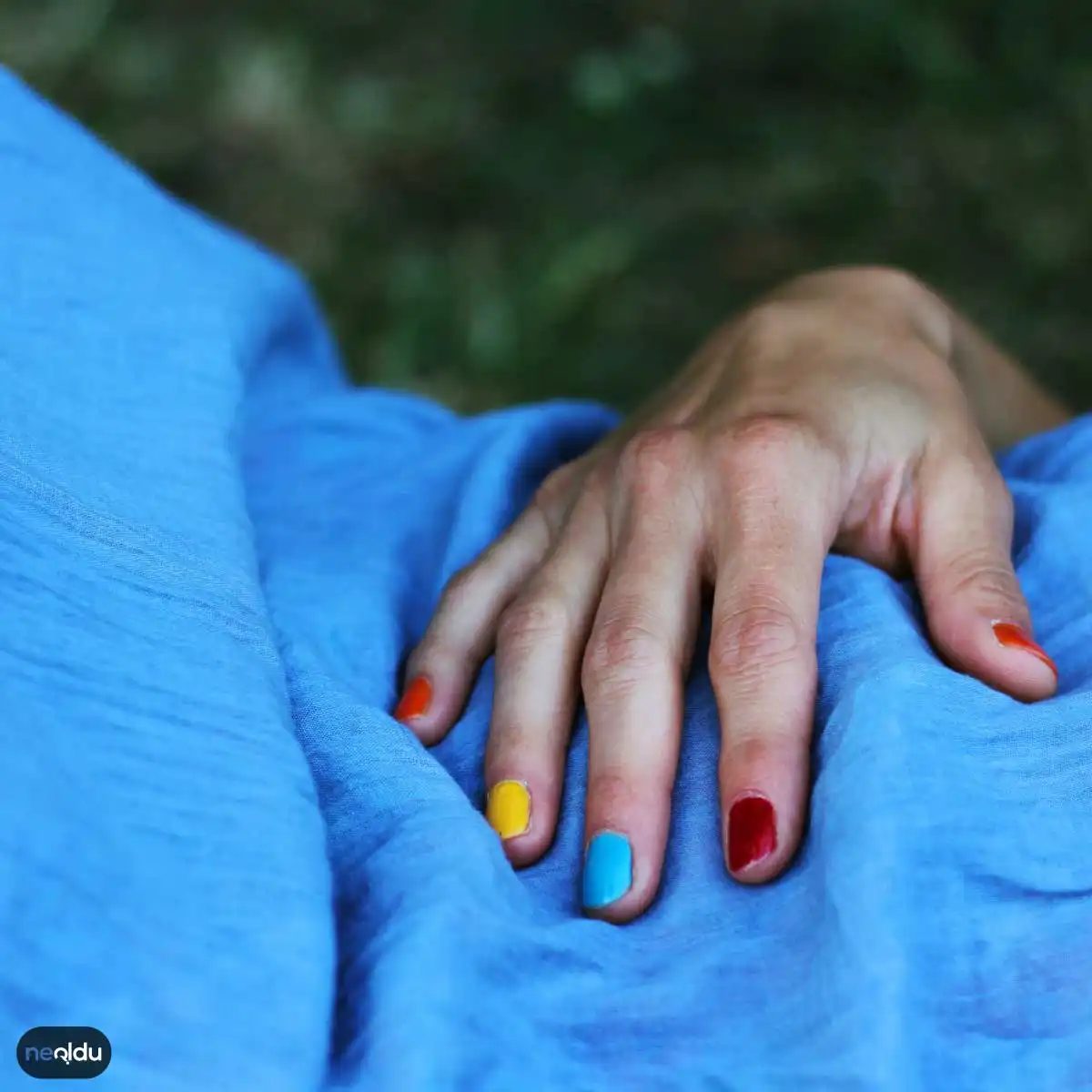
Geleneksel lakların sıkıcı tek tonlu dünyasından sıkılanlar için termokromik oje, sadece bir aksesuar değil, etkileşimli bir deneyim. Isıya veya güneş ışığına maruz kaldıklarında kimyasal yapıları değişir ve rengi kayar. Bu da aynı tırnak bakımı bile olsa, gün içindeki farklı anlarda size farklı bir görünüm sunar.
Avantajları Neler?
- Çok Yönlülük: Tek bir şişeden iki veya daha fazla ton elde edebilirsiniz. İçeride serin, dışarıda sıcak. İstediğiniz anı yakalayın.
- Dayanıklılık: Çizilmelere ve soyulmaya karşı daha dirençlidirler. Normal ojelerde gün içinde bile başlangıçtaki parlaklığı kaybolabilirken, bunlar daha uzun süre ilk günkü halini korur.
- Kullanım Kolaylığı: Ekstra bir uygulama tekniği gerektirmez. Normal oje sürer gibi sürün.
Pratik Uygulama İpuçları
Doğru sonuç almak için şu adımları izleyin:
- Tırnakları temizleyin.
- Baz katmanı uygulayın.
- İnce katmanlar halinde sürün.
- Kurumasını bekleyin.
Renk değişimi genellikle 10-15 saniye içinde gerçekleşir. Sabırlı olun.
Sık Yapılan Hatalar
- Kalın sürmek: Kırılmalara yol açar.
- Baz katmanı kullanmamak: Çizilmelere neden olur.
- Hızla hareket etmek: Tam kurumadan önce temas etmek rengi bozar.
The Heat of the Moment: How Temperature-Shift Polishes Actually Work
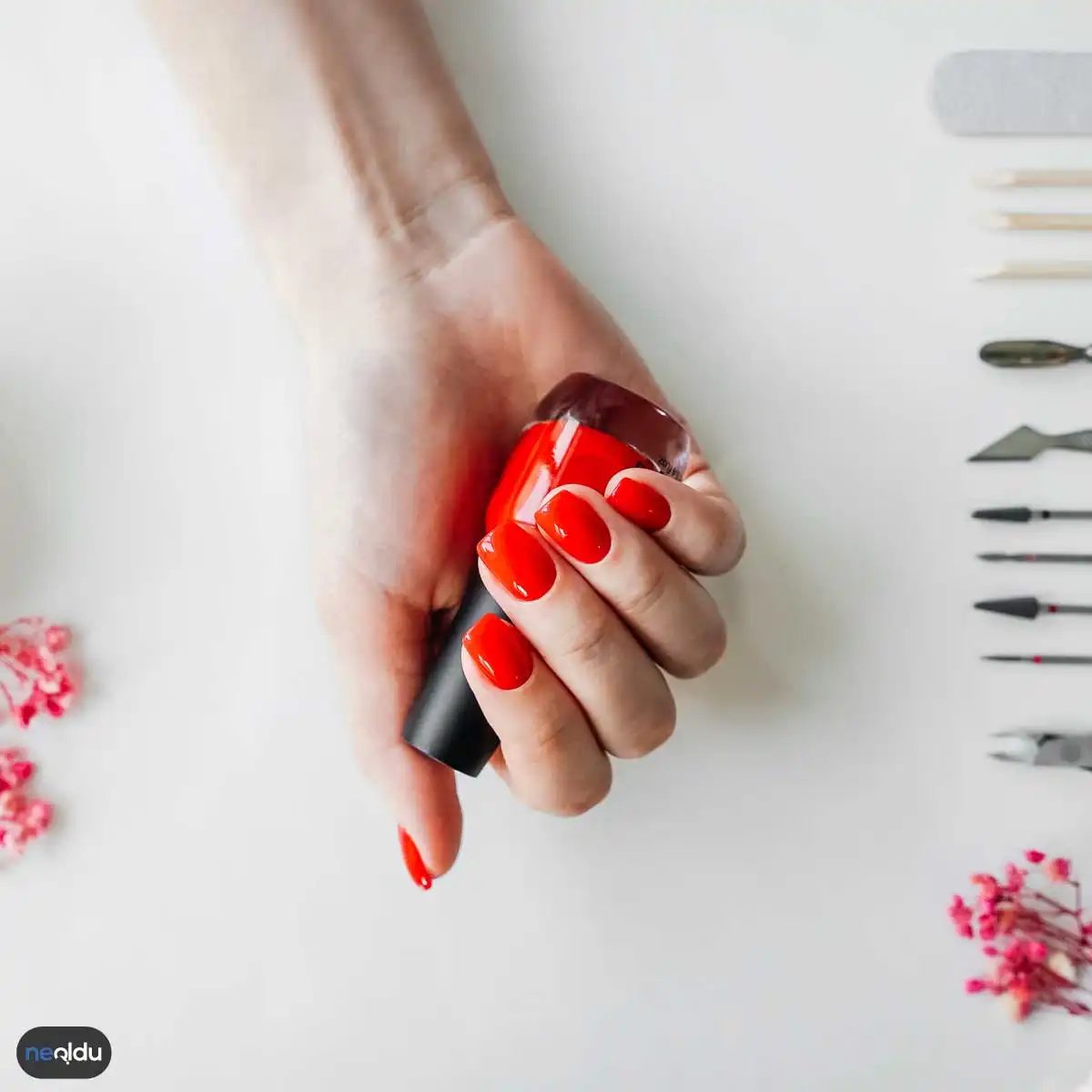
Let’s be honest. The first time I watched my nails shift from a deep navy to a soft lavender just by walking into a warm room, I did a double take. It wasn’t magic. It was thermochromic technology doing its thing. These aren’t just regular polishes with a fancy name; they’re reactive. The pigments inside contain microcapsules that expand or contract based on temperature changes. When it’s cold, they stay closed, showing the base color. When it warms up—say, from your body heat or sunlight—they open up, revealing the hidden shade underneath.
This isn’t a gimmick. It’s chemistry on your fingertips. And unlike traditional glitter or chrome finishes that look good under studio lights but fade in the sun, a temperature-sensitive polish changes with your environment. You’re not just wearing a color. You’re wearing a response to the world around you.
Why Does It Change Color? (And Why Does It Matter?)
You might wonder why your polish looks completely different at a dinner party than it does on your morning commute. The answer lies in the air temperature. Most of these polishes are designed to react to slight shifts in ambient heat.
- Cold Weather: The polish stays dark and opaque. This is often the “base” color.
- Warm Weather: The polish becomes translucent or shifts to a lighter, pastel hue.
This means the same bottle of polish can look like two different products depending on the season. It’s unpredictable. It’s dynamic. And for some, that’s the appeal. For others, it’s frustrating. If you want consistency, look away. But if you want something that feels alive, this is it.
How to Apply It Without Ruining the Effect
Applying a heat-reactive polish is similar to applying any other sheer or jelly formula, but there are two key rules you can’t break.
- Thin Layers Are Non-Negotiable. Thick coats won’t dry properly and will trap heat unevenly, leading to patchy color shifts. You want the color to change uniformly.
- Wait Between Coats. Rushing this step will cause bubbling. Let each layer dry completely.
Start with a clean, oil-free nail. Use a base coat, but choose one that’s designed for sheer formulas. Apply one thin layer. Let it dry. Apply a second if needed. The goal is translucency, not coverage. If you apply it too thickly, the color shift will look muddy rather than magical.
The Durability Problem (And How to Fix It)
Here’s the hard truth: temperature-shifting polishes generally don’t last as long as standard lacquers. The formula is often lighter, more jelly-like, and less adherent to the nail plate. You’ll likely see chipping within three days if you’re doing dishes by hand.
But that doesn’t mean you have to accept a mediocre manicure.
- Use a High-Quality Base Coat. Look for one labeled “bridging” or “bonding.” It creates a stronger anchor for the lighter polish.
- Top Coat Is Your Best Friend. Seal it. And then seal it again. A thick, glossy top coat not only protects the color but also enhances the shift. The
Why thermochromic polish keeps changing color on your nails
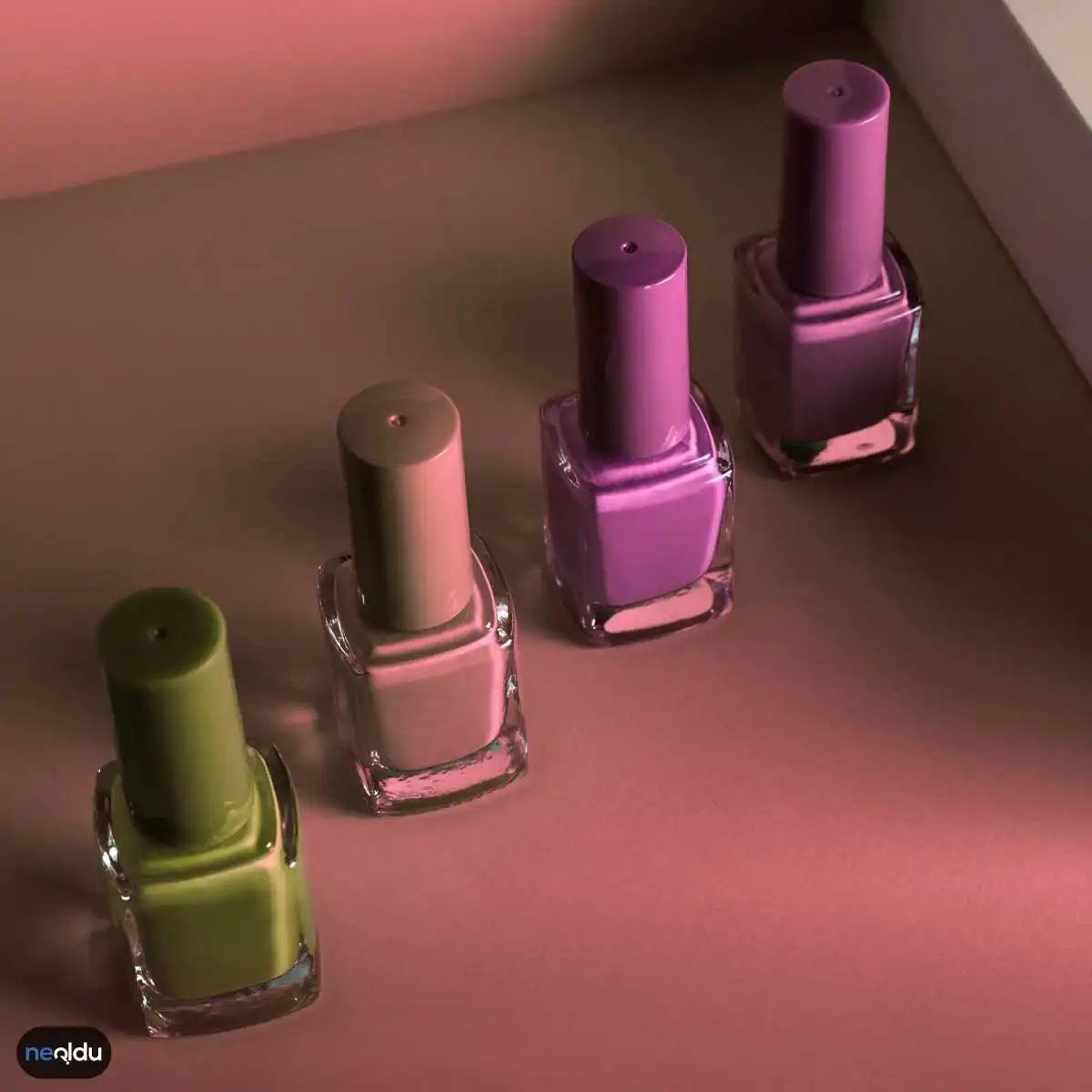
There is a specific kind of magic in watching your nails shift hue. One minute they are a deep, moody purple. Step outside into the sun, and they fade into a sheer, summery blue. This isn’t a filter. It isn’t a trick of the light. It is the physics of thermochromic nail polish doing exactly what it was designed to do.
These polishes have exploded in popularity recently, but they behave differently than the lacquer in your regular kit. If you are expecting a standard, high-gloss finish that lasts all week, you might be setting yourself up for disappointment. The chemistry is distinct. The application is similar, but the result is anything but.
How the color shift actually works
It comes down to pigments. Specifically, thermochromic pigments suspended in the polish base. These microscopic capsules react to environmental changes. When your body heat warms them up, or when UV light hits them, the molecular structure shifts. This changes the way light reflects off the nail.
Warm nails? The color might fade or shift toward a lighter tone. Cold nails? The pigment becomes more opaque and darker. It is a direct, physical response to your temperature and the room you are in.
“The color changes because the pigment reacts to your body’s warmth or the ambient temperature around you.”
The trade-off: Longevity
Here is the reality check. Thermochromic nail polish generally does not last as long as traditional gel or standard lacquer. The polymers used to create the color-shifting effect can struggle to bond as tightly to the natural nail plate. You might notice chipping or peeling after just a few days.
Most users find that these polishes last between 3 to 5 days. Some brands hold up better than others, but the inherent chemistry is less durable than standard acrylics.
If you want to extend the life, you have to work with it, not against it.
* Use a sticky base coat. This gives the pigment something to cling to.
* Seal it properly. A high-quality top coat is non-negotiable. It protects the delicate pigment layer from water, soap, and friction.
Application: Less is more
You might think layering thick coats will help the color pop. It won’t. In fact, it can make the effect muddy or uneven.
Apply the polish in thin, even layers. Thick coats trap heat differently and can take forever to dry. They also increase the risk of bubbling, which ruins the smooth surface needed for the color shift to look clean. Let each thin layer dry completely before applying the next. The goal is transparency and uniformity, not opacity.
Removal: Patience required
Taking these off requires a slightly different approach than your usual soak-off routine. Because they often involve multiple thin layers and specific binding agents, scrubbing aggressively can damage your nail bed.
- Soak first. Do not scrape. Use an acetone-based remover and let it sit on a cotton pad pressed against your nail for at least 10–15 minutes.
- Gently wipe. Once the polish softens, it should slide off with minimal pressure.
- Check for residue. If bits remain, reapply the soak. Do not force it.
It takes longer than removing a standard nude polish, but protecting your natural nails is worth the extra five minutes.
Where to find them
You won’t always find these in the basic drugstore aisle. Look for indie nail brands or specialized beauty retailers that cater to trend-focused collections. Brands often release seasonal thermochromic lines, so availability can fluctuate. Check online beauty stores that carry niche Polish brands, as they are more likely to stock these experimental formulas.
The appeal isn’t just about having a different color. It’s about having nails that interact with the world. They are a conversation starter. They are playful. They are imperfect. And that is