

Hair coloring can change your look, but it can often leave your hair feeling like dry straw. The culprit? Harsh chemicals, environmental stressors and the occasional bad hair care routine. If the color is faded or damaged, you need more than just hope. You need real restoration.
Learn how to rejuvenate damaged hair with simple and effective natural methods.
The power of olive oil and honey
Let’s start with the classics. These ingredients are not only used in cooking. They are hair rescue missions in a bowl.
Why this combination works:
Olive oil penetrates the hair and moisturizes it deeply. Honey acts as a moisturizing agent, draws moisture into dry hair and binds it there. Together, these fight against the brittleness often caused by frequent coloring.
Applying:
1. Mix 2 tablespoons of extra virgin olive oil and 1 tablespoon of raw honey.
2.
Warm the mixture slightly to facilitate application.
3.
Apply carefully to damp hair, focusing on the most damaged ends.
4. Let stand for at least 30 minutes. Cover your hair with a shower cap for deeper penetration.
5. Rinse with cold water.
If you use hot water, the oil you just applied will be removed.
This is not a one-time fix. Consistency is key. Use this mask once a week. If your hair is severely damaged, you may need to apply the product twice a week until you notice improvement.
“Moisturization is key to preventing breakage. Oils lock in moisture while honey absorbs it.”
Remember to rinse with cold water. It seals cuticles, adds shine and reduces frizz. Hair becomes immediately soft. In the long run, it becomes more resilient for future coloring sessions.
Banana, honey and olive oil hair mask
This is very simple. There are no fancy ingredients. Just what you likely have in your fridge right now. It is a deep conditioning treatment that targets both damage and dullness.
Here’s what you need for one application:
- 1 ripe banana
- 1 egg
- 1 tablespoon of honey
- 5 tablespoons of milk
- 5 tablespoons of olive oil
The method is very simple. Mash the banana until completely smooth. Once the mask has hardened, it becomes hard and difficult to wash off. Whisk in the egg, honey, milk and olive oil and mix. Mix everything until you get a creamy, uniform mixture.
Spread liberally. Start at the roots and move towards the tips. Make sure every strand are coated. Let stand for 20 minutes. This gives the oils and proteins time to penetrate the hair shaft.
Rinse thoroughly with plenty of water. You want a soft feel, not a rough feel.
Why does this work? Bananas are good moisturizers. The egg strengthens. Honey locks in moisture. Olive oil adds shine and reduces split ends. This is a practical routine for those who want to reduce hair breakage using natural ingredients.
2. Walnut oil, apple cider vinegar mask
If your hair feels dry or lifeless, this combination can give it a different kind of nourishment.

3. Castor oil hair mask
Do you want thickness? Do you want movement? Castor oil has a great effect. It’s very thick and sticky and smells like nothing I’ve ever applied to my scalp before I wash it off. But the result? They don’t lie.
This mask is more than just a moisturizer. This is a structural repair. The ricinoleic acid contained in the oil penetrates the hair and reduces protein shedding. This is a way to prevent hair damage from the root cause.
Ingredients:
* 2 tablespoons of castor oil
* 1 tablespoon jojoba oil (to reduce thickness)
* 5 drops of rosemary essential oil (promotes blood circulation)
How to mix:
Heat the oil a little. It is enough that the oil is smooth. Applying cold castor oil is a nightmare. You pull your hair out. You’ll tug your soul. Don’t do it.
Add rosemary oil. Rosemary stimulates blood circulation in the hair follicle. Increased circulation also increases nutrition. Increased nutrition strengthens the roots.
Usage:
Part your hair. First, apply directly to the scalp with the tip of the bottle or your fingers. Massage for 5 minutes. Then apply to the ends of your hair. The ends of your hair are the oldest part of your hair. These are the areas most susceptible to heat, frequent brushing and neglect. This is where you need it most.
Cover with a shower cap. traps heat. The heat opens the cuticles, making it easier for the oil to penetrate.
Wait.
Don’t rush. Let stand for at least 30 minutes. You can leave it overnight if you have time. Wrap your head in a towel to avoid staining the pillowcase.
Wash it off. You may need to shampoo twice. Castor oil is very viscous. Do not be gentle with the foam. Be thorough.
Why it works:
* Thickens strands: Coats the hair and creates instant visual volume.
* Stimulates growth: The combination of massage and rosemary awakens dormant hair follicles.
* Moisture Lock: It’s an occlusive. Seals the cuticle and maintains internal moisture.
Miracles don’t happen overnight. Hair grows half an inch a month. But what about after 6 weeks? Structural difference. shine. In how much it snaps when you brush it? That’s different.
This is not a quick fix. It’s a habit. Use once a week. Please keep it up. If the roots are hungry, the rest of your daily activities will not matter.

Wheat and castor oil treatment
It sounds simple, but the results are surprisingly powerful. You only need a handful of ingredients to get started.
What you need:
– 1 cup of whole wheat
– 1/2 cup castor oil (often labeled as Hint yağı )
– 5 glasses of water
How to do:
Start by boiling the wheat in water. You want it to be soft, so simmer until the texture of the grains breaks down. Drain the liquid and save the wheat. Add castor oil until everything is mixed.
Apply this mixture directly to your scalp and hair. Leave it on for about 1 hour. Castor oil is very viscous, so patience is key. When the time is up, rinse thoroughly with plenty of water. Cleaning takes effort, but it’s worth it.
Why it works:
This mask targets damaged hair. It thickens the hair shaft and repairs wear and tear. This is a home treatment that you can practice if you feel that your hair is brittle or thinning.
Egg mask
There’s a reason eggs are a staple food. It contains a lot of protein, which is the building material of hair.
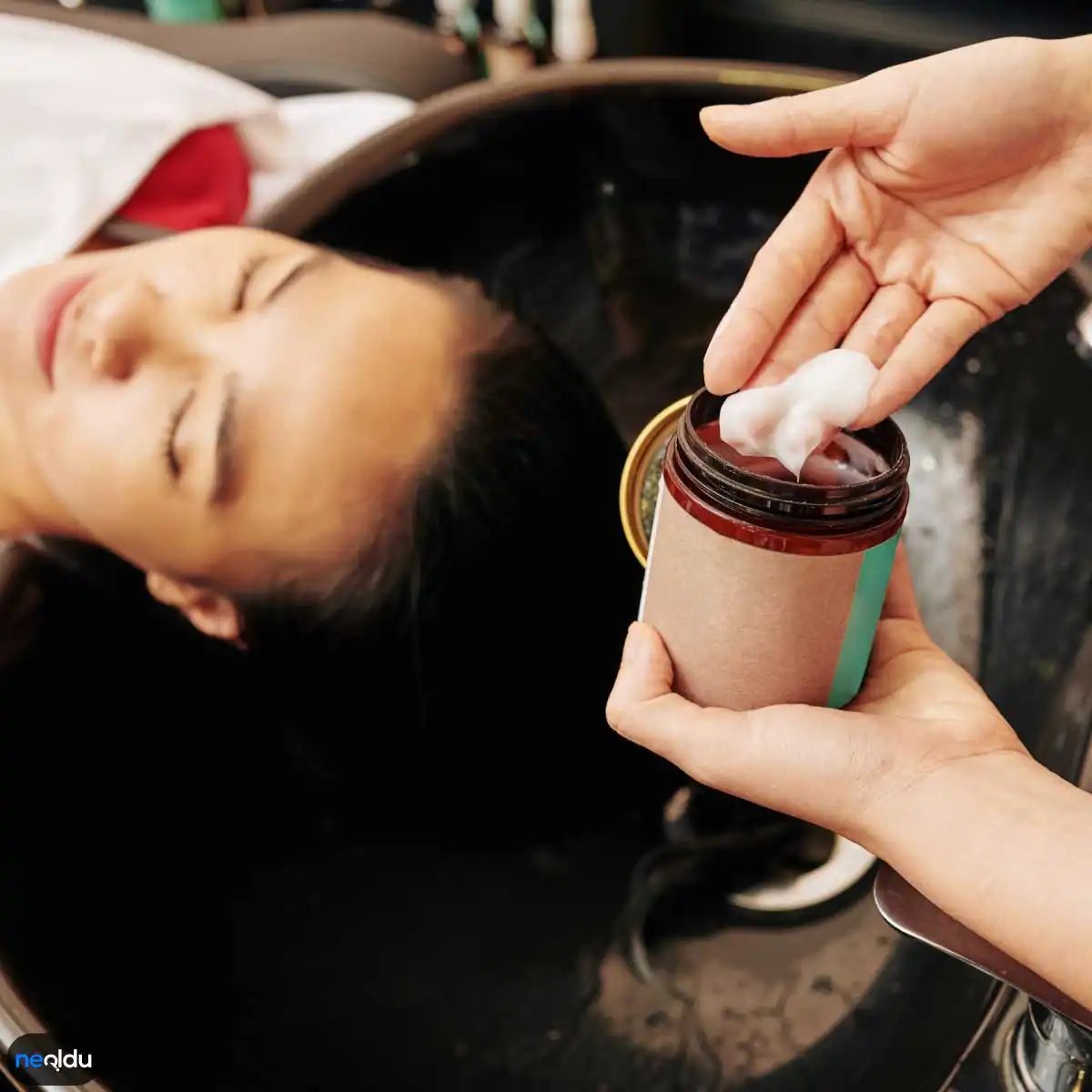
Most salon treatments are expensive and stay on your head for 20 minutes. This will take an hour. These ingredients cost less than a cup of coffee, and you probably have three of them in your fridge right now.
Ingredients
Keep it simple. You don’t need a chemistry degree for this.
- 1 egg
- 1/4 cup of yogurt
- 1/4 cup of olive oil
- 1/4 cup of honey
How to mix
Break the eggs into small pieces. 黄身と白身がたまて争ててるしますしますますますますますます。 卵白を一滴残しいますますますます、恚新他しますます
乾いた髪、安全湿った髪に歌机します。 Pay attention to the length. 頭皮にwithout adding another 油っぽい層、根は immediately油っぽくま゙。
Leave for 1 hour.
1 hour is a long time. Let’s read a book. Scroll your phone. Don’t sleep with this. I’m in a state where I’ve been defeated in a battle with 目が覚めると、パン屋.
The Rinse
This is the part where people get confused. Do not use boiling water.
Hot water cooks the egg. You don’t want to get scrambled eggs in your hair. It is impossible to remove.
Use cool or lukewarm water. Wash thoroughly. Continue using your regular shampoo. You may need to shampoo twice to get rid of the olive oil smell. This is normal.
Why is it effective?
Egg proteins coat the hair shaft. Fills gaps caused by heat damage or bleaching. Yogurt moisturizes your hair without weighing it down like heavy creams. Olive oil seals cuticles. Honey is a humectant that absorbs moisture from the air into the hair.
Results are not magic. If your hair is naturally curly and coarse, you can’t wake up with straight, shiny silk. But it feels softer. Looks healthier. It no longer feels like straw.
Try it once. If you don’t like the smell of honey in your hair, use a commercially available mask. It’s expensive, but at least you can wash it off.
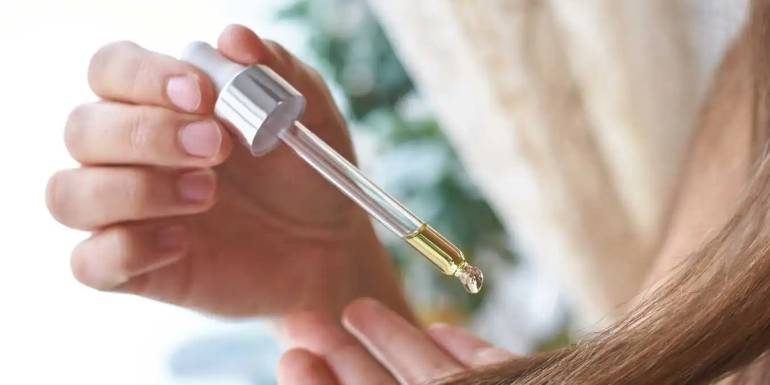
Repairs hair damaged by chemical treatments.
If your hair is damaged from repeated coloring or chemical treatments, you are not without options. Recovery is possible, but shift in routine are needed. The goal is not only to hide damage, but also to restore the structural integrity of your hair over time.
Let’s start with the basics. Wash your hair less often. For most hair types, 2-3 times a week is usually enough. Excessive washing can strip your scalp of the natural oils it produces to protect and moisturize your hair. When washing, choose a gentle sulfate-free shampoo. These cleansers remove dirt without irritating and leave damaged hair with the moisture protection it needs.
Deep conditioning is not negotiable. Use a natural hair mask at least once a week. Look for ingredients like argan oil, coconut oil, and honey. They penetrate the shaft and provide immediate hydration and long-term nutrition. Consistency is more important than intensity. Weekly treatments offer better results than occasional, extensive treatments.
Trimming is also an important step. Split ends cannot be cured. They travel along the hair shaft and cause more breakage. Regular trimming removes damaged ends and prevents further deterioration, leaving hair looking cleaner and healthier. This is not only cosmetic, but also structural maintenance.
Chemical treatments requires long breaks. If you have dyed or permed your hair, take a break for at least 4-5 months. This allows the hair to rest and restore its natural elasticity. During this time, focus on protective styles and gentle handling. Avoid using heat styling tools if possible and use a heat protectant if you want to style.
Using the right hair repair oils will produce significant difference. Look for products rich in vitamins and fatty acids that mimic your hair’s natural oils. Apply to damp hair before washing or use as a leave-in treatment on the ends. This creates a protective layer that reduces friction and breakage.
Recovery takes time. There is no quick fix for severely damaged hair. But with patience and consistent routine, you can restore intensity and shine to your hair. Start making changes today, like switching to a sulfate-free shampoo or scheduling a trim. Small steps add up. Your hair will surely thank you.