



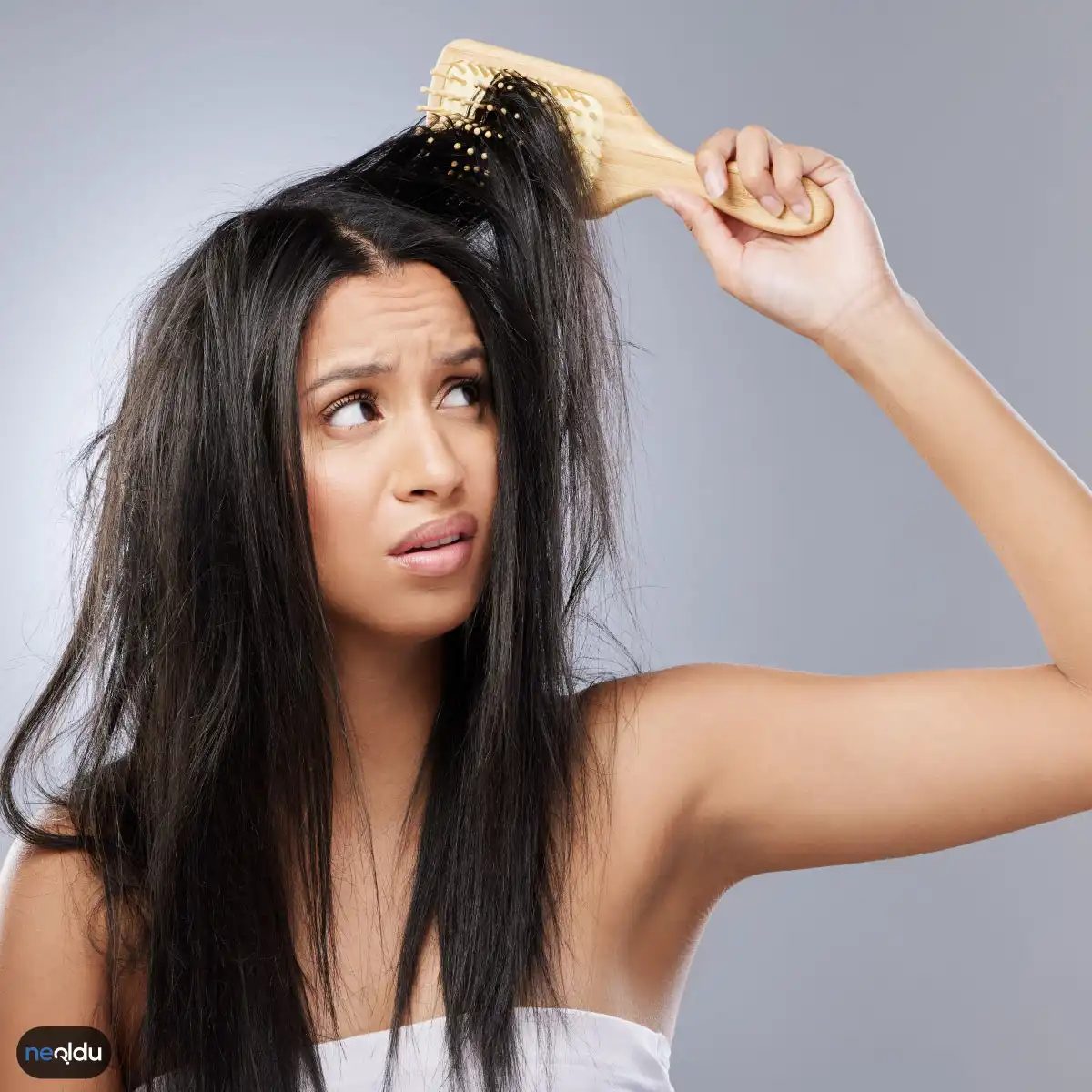
Sunlight, salt water, and dye strip your hair of its strength. It happens to almost every woman. Your locks look dull, feel like straw, and break off when you comb them. You start hunting for a fix. Salons charge a fortune. Drugstore products promise miracles but often deliver grease.
There is a better way. You can feed your damaged hair with ingredients already in your kitchen. No expensive cosmetics required. Just natural masks that rebuild strength from the root.
Why does hair get damaged?
Your hair takes a beating. UV rays weaken the protein structure. Chlorine and seawater strip away natural oils. Chemical treatments leave the cuticle open and vulnerable. When the moisture barrier breaks, your hair loses shine. It becomes brittle.
Broken bonds lead to breakage.
Understanding the cause helps you pick the right remedy. If your damage is from environmental stress, you need moisture and protein. If it is from chemical processing, you need deep conditioning.
What ingredients actually work?
You do not need a chemistry degree. You need staples.
- Eggs: High in protein and biotin. They strengthen weak strands.
- Yogurt: Contains lactic acid. It gently exfoliates the scalp and adds moisture.
- Honey: A natural humectant. It pulls moisture into the hair shaft and keeps it there.
- Coconut oil: Penetrates the hair shaft better than other oils. It prevents protein loss.
These ingredients work together. The protein rebuilds structure. The oils seal in moisture. The humectants keep the hair hydrated throughout the day.
How to make a simple repair mask
Mix one whole egg, two tablespoons of plain yogurt, and one tablespoon of honey in a bowl. Whisk it until smooth. Apply it to damp hair. Start at the roots and work down to the tips. Focus on the ends. That is where the damage is worst.
Put on a shower cap. Let it sit for thirty minutes. The warmth from your head helps the proteins penetrate. Rinse with cool water. Hot water cooks the egg. You do not want scrambled eggs in your hair. Follow with your regular shampoo and conditioner.
Consistency matters. One mask will not fix years of neglect. Use it once a week for a month. You will see less breakage. The shine will return. Your hair will feel heavier and stronger.
What if you have sensitive skin? Skip the eggs. Use just yogurt and honey. The same principles apply. Moisture and gentle cleansing repair the barrier. You do not need every ingredient. You just need the right ones for your specific damage.

Güneş ışınları, tuzlu su ve havuz kloru. Bunlar saç telleriniz için sessiz katiller. Isı uygulamaları da cabası; fön makinesi, düzleştirici veya maşa her kullanışta kutiküla katmanlarını biraz daha inceltiyor. Sonuç? Nem kaybı. Saçlar zayıflıyor, kırılıyor, matlaşıyor.
Yalnızca dış etkenler değil. Beslenme yetersizliği, kronik stres ve hormonal dalgalanmalar da saç yapısını içeriden bozuyor. Üstüne bir de şampuan, durulanmaz krem veya serum aşırılığı eklenince saçınız ne nefes alabiliyor ne de kendini toparlayabiliyor.
Sorun şu: Market raflarındaki “onarıcı” etiketli ürünler çoğu zaman sadece geçici bir parlaklık vadediyor. Gerçek iyileşme için doğal saç bakımı rutinlerine dönmeniz gerekiyor. Özellikle yıpranmış saçlar için hazırlanan doğal maskeler, sentetik kimyasalların yapamadığını yapıyor: saç gövdesini besliyor, kaybettiği lipitleri geri kazandırıyor ve ışıltısını doğal yollarla geri getiriyor.
Yıpranmış Saçları Onarmak İçin En Etkili Doğal Maske Tarifi
Bu tarif, protein ve nem dengesini yeniden kurmak üzere tasarlandı. Yumurta, hindistancevizi yağı ve bal üçlüsü, kuru ve kırılmaya eğilimli teller için altın standarttır.
Malzemeler:
– 1 adet taze yumurta (sarısı ve beyazı birlikte)
– 2 yemek kaşığı hindistancevizi yağı (katı veya sıvı)
– 1 yemek kaşığı saf bal
– 1 çay kaşığı limon suyu (isteğe bağlı, yağ dengesini sağlamak için)
Uygulama Adımları:
- Yumurtayı bir kasede çırpın. Hindistancevizi yağını ekleyin. Yağın sıcaklığına dikkat edin; çok sıcak olursa yumurta pişer. Oda sıcaklığında olmalı.
- Balı ve limon suyunu ekleyip pürüzsüz bir kıvam elde edene kadar karıştırın.
- Saçınızı ıslatmayın. Maskeyi kuru veya nemli olmayan saça uygulayın, böylece nem kilitlenir.
- Uygulamayı köklerden uçlara doğru yapın. Son 3-4 ayda uzamış kısımlara ekstra odaklanın.
- Saçınızı streç film veya bir bone ile sarın. Isıyı hapsedmek, aktif bileşenlerin emilimini hızlandırır.
- 30-45 dakika bekletin. Ciddi hasar varsa 1 saate kadar uzatabilirsiniz.
- Ilık su ile durulayın. Asla sıcak su kullanmayın. Sıcak su yumurtayı pişirir, saçlarınızın

Why this simple trio works for tired hair
The logic behind this recipe is straightforward. You are pairing a protein source with a lipids and a humectant. The egg delivers the structural proteins your strands need to stop breaking. The two tablespoons of olive oil do two things: they lubricate the scalp and force light off the cuticle. It is not just moisturizing; it is reflective.
The honey does the heavy lifting on softness. It holds onto moisture that would otherwise evaporate from a dry, damaged strand. This is why the hair feels plush after treatment rather than just wet. You are not adding water. You are trapping it.
How to prepare the mixture without a mess
Crack the egg into a bowl. Whisk it until the yolk and white are uniform. Add the olive oil and the tablespoon of honey. Stir until it looks like a thick, yellow paste.
Here is where most people go wrong. They apply it cold. Do not do that. Warm the mixture slightly. You can use a hairdryer on low heat for a few seconds or place the bowl in a mug of warm water. The warmth helps the oils penetrate the shaft rather than just sitting on top.
Application steps that actually save time
Focus on the roots first. Apply the paste directly to the scalp where the hair is often thinnest and most prone to breakage. Once the roots are covered, work the rest down the length of your hair. Gently massage it in. This stimulates blood flow to the follicles, which helps with growth as much as it does with moisture.
Now, cover it. Use a shower cap. You need to keep the mixture in place and retain body heat. The cap creates a mini sauna effect. This opens the cuticle slightly, allowing the egg and oil to sink in.
Wait thirty minutes. Not twenty. Not forty. Thirty is the window where the proteins denature just enough to bond with the hair but not so long that they become difficult to rinse out.
Rinsing without the smell problem
This is the part that makes people hesitant. Egg in hair. The fear is the smell. The key is temperature. Do not use hot water. Hot water cooks the egg. You will be left with scrambled egg in your scalp. It is a nightmare to remove and smells worse.
Use lukewarm water. Rinse thoroughly. The goal is to remove every bit of residue before you even think about using shampoo. If you still feel slimy or see flakes, do a second rinse with cool water. Cool water helps seal the cuticle after all that warm exposure. Once the water runs clear and the smell is gone, you can proceed with your regular wash routine.
Is this better than a store-bought mask?
For severely damaged hair, yes. Store-bought masks often rely on silicones to create the illusion of smoothness. This recipe uses biological ingredients. The protein actually fills gaps in the hair shaft. The oil repairs the lipid layer. It is a structural fix, not a cosmetic one.
However, it is not a weekly necessity for everyone. If your hair is only slightly dry, a regular conditioner might suffice. But if your hair is split, frizzy, or breaks when you brush it, this DIY approach offers a level of repair that shelf products often miss. It is labor-intensive, yes. But
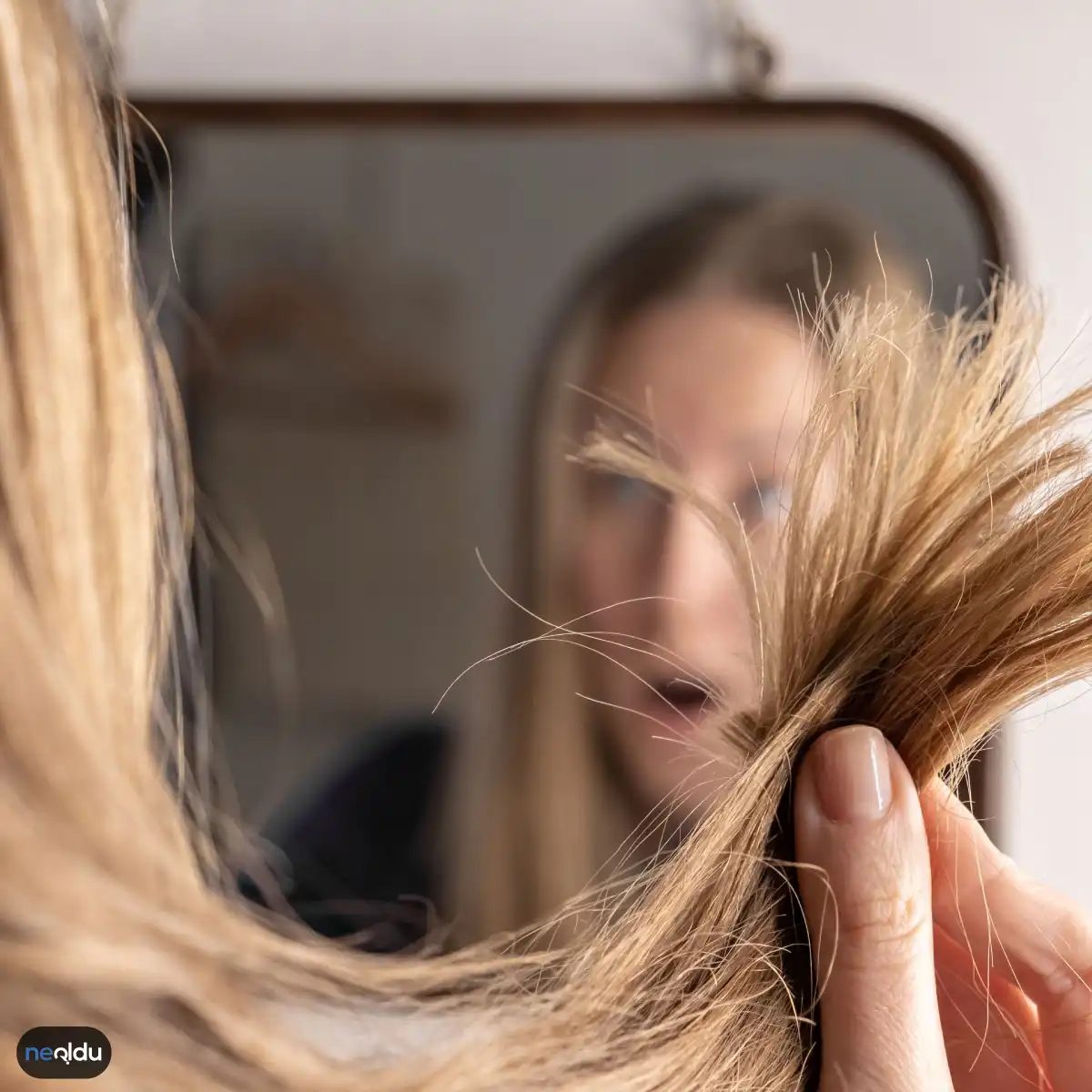
How to fix damaged hair: The realistic routine
The best way to repair damaged hair depends entirely on what broke it. But the repair kit stays similar. You need moisture, protection, and patience.
If you are wondering how to restore damaged hair naturally, start by auditing your shelf. Harsh chemicals in standard cosmetics often strip the cuticle. Switching to organic or natural formulas reduces that daily stress. It is a small change, but your ends will notice it.
Regular trims beat expensive treatments
Split ends do not mend themselves. They travel up the shaft. Cutting your hair regularly removes that dead weight. Yes, it feels like losing length. No, it is not worth it. A shorter, healthy head of hair looks better than a long, frizzy one.
Moisture is the non-negotiable part
Dry hair breaks. Period. You need to lock in hydration.
– Deep conditioning masks
– Natural oils (argan, coconut, jojoba)
– Leave-in creams
Apply these consistently. If your hair feels like straw, it is screaming for water.
Why heat styling ruins your recovery
Blow dryers, curling irons, and flat irons are the enemies of fragile strands. High heat cooks the protein structure. If you must use heat, drop the temperature. Use a heat protectant. But the gold standard is air drying when possible.
What you eat changes your hair
Your hair is made of protein. If you are not eating enough, your hair shows it. Focus on:
– Omega-3 fatty acids
– B vitamins
– Iron and zinc
– High-quality protein
This is not a quick fix. It is long-term maintenance. Your scalp needs fuel.
Stop pulling on your hair
Tight ponytails. Long braids. These cause traction damage. The constant pulling weakens the follicle and snaps the shaft. Let your hair fall naturally. Loose styles are not just comfortable; they are structural protection.
The egg mask myth vs. reality
Many people ask about home remedies. Specifically, the classic egg mask.
Can you use it at any age? Yes. It works on the hair, not the face.
Do you wash your hair before applying it? No. Apply it to dry or damp hair, then wash.
How often? Once a week is enough. More can overwhelm the scalp.
Will it smell? Only if you are lazy with the rinse. Rinse with cool water thoroughly. The smell disappears. The shine remains.
“Repair is not a single product. It is a change in how you treat your hair daily.”
The egg mask works, sure. But so does a good protein treatment. So does sleeping on a silk pillowcase. So does reducing stress. There is no single magic bottle. There is just consistency. Your hair is a reflection of your routine. If you want it to look healthy, treat it like it is.


