



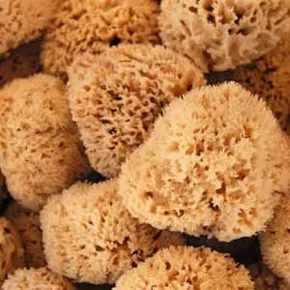
You go to the store. The bath aisle is full. Scrubber, scrubbers, scourers, brushes. Everything promises to cleanse you from head to toe. But look closely at the sponge. Synthetic alternatives outnumber natural alternatives. It looks like an artificial win. It doesn’t mean that sponges are bad. It’s just different.
I have to talk about the natural sea sponges. Not only as a bathroom accessory, but also as a piece of living history.
Where do sponges actually come from?
Sponges are considered plants. It looks like a strange seaweed or coral. it is not. Fungi have existed for hundreds of millions of years. they are animals. They consume organic matter instead of photosynthesis. they live in water.
The type is determined by the skeleton. Some use organic materials. Some use calcium carbonate or glass. This is the wild part. Even if you cut the sponge into small pieces, it can grow back. Collecting the piece won’t kill it. The sponge regenerates. What happens if a sponge gets in the shower? It is no longer alive. It’s just a tool.
Should you use it? It depends on your skin
before you take the washer. Think about your skin.
If you have eczema or contact dermatitis. You have to be extra gentle. Coarse sponges can irritate dry skin. Keep your skin’s overall health in mind. Use this to help you choose textures.
For those with sensitive skin. psoriasis. Or just very dry patches. Your own hands can be better. Or a very soft cloth. Rough sponges can do more harm than good.
Oily skin? Are you prone to acne? Rubbing the face too hard can cause rashes. in the present case. Avoid using sponges at all costs. Wash gently. Pat dry. Avoid contact with the skin to avoid new skin.
For natural sea spongess
Fashion plays its role. People want ‘natural’ and ‘organic’. Natural sponges provide this. They are created by nature. But all products are the same. Each has advantages and disadvantages.
Here’s why we choose them:
- Environmental certificate : The sponge regenerates after harvesting. This makes them a sustainable resource.
- No Harmful Chemicals : The harvesting process contains no chemicals or by-products that are harmful to the environment. This is a more environmentally friendly option.
- Exfoliating power : Some people prefer a rough surface. A hard sponge can scrape off dead cells. These cells can clog your pores. Peeling reveals the fresh skin underneath. Helps protect pores from impurities.
Disadvantages
Not everyone is a fan. For those with sensitive skin. Natural sponges can be too rough. You may prefer to bathe with water and your hands. Or a very soft cloth.
The excitement is real. If you have psoriasis. Remember to take a gentle approach. People with oily skin are prone to acne. If you rub your face too hard with a sponge, you might get pimples.
The solution is simple. Avoid using sponges on your face. Wash gently. Pat dry. Don’t encourage new breakthroughs.
Fungi and bacteria: alarming facts
You saw the report. Household sponges can contain dangerous bacteria. They make their families sick. sponge. towel. Cutlery. They all attract bacteria. Provides a moist environment. Bacteria live there. they reproduce there.
The last thing you want to do is leave yourself open to infection. It is dangerous to wash the body with a sponge that contains bacteria.
How do you deal with this problem?
Try putting the sponge in the microwave. Destroys harmful bacteria. Used in towels and other fabrics. Throw it in the washing machine. Use bleach to kill anything dangerous.
“If you want to sterilize your sponge, try microwaving it to kill any harmful bacteria.”
It’s not glamour. But it is practical. Hygiene is important. Although it is a natural product.
Synthetic vs. Natural: Where do we go from here?
If you’re still not sure if natural sea spongess are right for you. The next step is comparison. How does it differ from the synthetic option?
We’ve covered the basics. history. skin type. Bacteria. But the real decision is in the details of daily use. Which sponge is more durable? Which is better for tired muscles? Next, let’s look at the composition. See where the real compromises are.
Synthetic sponge: antibacterial trap
The shelves are lined with bright, colorful plastic sponges. It shines brightly. Guarantees hygiene. Compared to that, natural sponges look boring. You may want to buy synthetic products. It makes me feel like I’m protecting the ocean. You are not robbing nature’s closet. But modern sponges have their own problems.
The best selling point is the antibacterial treatment. Manufacturers include ingredients that inhibit bacteria. They call it “plague palace” prevention. This seems to be a big advantage. This can also be a serious mistake.
The usual suspect is triclosan. Environmental groups have classified the chemical as a health risk. The EPA says it’s only dangerous for painting. This is a narrow view. Researchers at the University of California, Davis, don’t think so. Their research shows that triclosan can interfere with hormones. It can also affect the nervous system.
If you have sensitive skin, stop and think. eczema? psoriasis? Chemical irritants are your enemy. Antibacterial substances in mushrooms can cause irritation. People with certain skin conditions should avoid these chemicals altogether.
Next is the structure. Some synthetic fibers are too coarse. Polyester can be abrasive. The new sponge is soft. However, the risk of skin peeling still exists. It breaks easily. This leaves chemical particles on your face.
Sea Sponges vs. Synthetic Options
The choice between natural and artificial ones depends on preference.
- Choose natural if you want an eco-friendly approach. Sea sponges appeal to this instinct.
- If you believe in modern technology, choose synthetic materials.
It’s not just about the material of the sponge. It’s all about what stays on your skin. And what’s inside your sponge.
The Loofah Paradox
Loofahs are often classified as natural sponges. They are not. A loofah is a plant. They belong to the Cucurbitaceae family. Some spell it luffa.
People love them for exfoliation. The texture is scratchy. It feels effective in the bath. But research has revealed a dark side. The nooks and crannies in a loofah is a perfect hiding place. Bacteria move in. Certain strains can be harmful.
You want clean skin. It is not a bacterial incubator.
“Recent research from the University of California, Davis suggests that triclosan exposure may have negative effects on hormones and the nervous system.”
Which do you believe? The plant that sheds its bacteria? Or is it the plastic that claims to kill them? The answer depends on how often you change tools. Or if you think about it.
The microbial truth about bath tools
You may end up scrubbing harder than necessary. The American Academy of Dermatology believes that acne is not caused by poor skin hygiene. This is related to oil, dead cells and bacteria. So why are we so obsessed with killing everything on our surface?
Let’s think about the loofah. Or the sea sponge. Or a synthetic puff that hangs in the shower. They are porous. They stay wet. This makes them a perfect reservoir for bacteria.
A study published in the Journal of Clinical Microbiology found that these tools may contain potentially disease-causing species. Wash your face and touch the sponge. You wipe your body They spread what grows in dark, damp corners.
“The loofa acts as a container and vector to transmit potentially pathogenic bacteria to the human skin.”
It sounds gross. It is. But the solution is not to panic. This is maintenance.
Why Triclosan isn’t the hero you thought it was
We’ve been sold a story about antibacterial soap. Especially those containing triclosan.
For many years we thought this was necessary. We thought it kept us safe. Research says otherwise. Its pesticide use is being reviewed by the US Environmental Protection Agency. Studies have discussed its safety. Some think it can cause antibiotic resistance. Others have noted its presence throughout our water systems.
Rachel Walker called this an “ubiquitous threat”.
Will it kill you? Not necessarily directly. Is it useful? Controversial. The American Journal of Infection Control published a paper on its use and safety decades ago. But things have changed.
Your skin has a microbiome. it protects you. Removal with strong antibacterial agents can increase other problems. dry. Stimulate. eczema.
Peggy Peck explains how to get the most out of your face wash on WebMD. Gentle is better. Effective is better. Sterility is not required.
Sponge: Natural sponge and synthetic sponge
Not all sponges are created equal.
Natural sea sponges are porous. They hold water well. They feel luxurious. But they can irritate. eMedicine Health lists sea sponge irritation as a known problem. In addition, natural sponges can contain bacteria if they are not dried properly.
Synthetic poofs is plastic. They are durable. Is it easy to clean? Maybe. Mother Nature Network asked if natural sponges are more environmentally friendly than synthetic ones. The answer is complicated.
Synthetic materials release microplastics. Natural ones biodegrade. But if E. coli is present in natural sponges, is it really greener for your body?
How to keep your tools clean
You don’t need a lab coat. You need a routine.
1. Rinse After Use
Squeeze out the excess water. Hang up. Allow to dry. Bacteria hate dry air. They prefer stagnant moisture.
2.Microwave It
If your sponge is damp-heavy, try this. Moisten thoroughly. Microwave it for 1-2 minutes. WebMD reports that this kills germs. be careful. Don’t burn your sponge. Don’t burn your microwave. Check for metal clips first.
3.Replace Regularly
If it smells weird, throw it away. No amount of cleaning can repair worn materials. The washing should be changed every few weeks. With proper care, your sponge will last longer.
4. Choose your cleaner wisely
Our top five tips for choosing a daily cleanser focus on gentle ingredients. Sodium lauryl sulfate can be irritating. Will it kill you? Not likely. Is it dry? In many cases, yes.
To cleanse your body, consider the American Academy of Dermatology’s guidelines for bathing and moisturizing. Showers are short. Hot water. Moisturizes in 3 minutes.
Overall picture
Your home can make you sick. Philip Tierno reports for Oprah.com. Dust. Type. Bacteria. It’s everywhere.
But your skin is your first line of defense. It is not a sterile surface. This is a living ecosystem.
Please be respectful.
Don’t be obsessed with killing all microorganisms. Focus on balance. cleaning equipment. Gentle product. It hydrates your skin.
The Australian National University reports six simple lessons about mushrooms. One lesson can be that nature provides the materials. we provide treatment.
If you don’t take care of it, nature wins. And you don’t want that.
Consider the deep sea chemicals cited by PBS. Or a squirt gun warrior. The sea provides medicine. It also poses a danger. The bath sponge is in the middle.
Use it. Please clean it. Change it.
You can stop using the microwave every day. Keep it dry. That will do.
Most people don’t know how often they should change their sponge. This is not a lifetime purchase. This is a weekly ritual.
Does your skin feel tight after washing? This is a signal. The detergent is too strong. The sponge is too rough. Or you washed it too long.
Listen for the signal.
adjustment.
It’s not complicated. But we complicate it. We buy expensive face creams. Wash your face thoroughly until it turns red. We ignore the tools in our hands.
Tools are important.
A dry mushroom is a safe mushroom. Wet areas are breeding grounds. simple logic. It’s hard to remember when you’re busy.
It takes 10 seconds. squeeze. suspension.
Your skin will thank you.


