We reach for our makeup brushes every morning. It is a ritual. A way to feel put together. But here is the thing most of us ignore until it is too late. These products expire.
Not in the way milk spoils. You won’t smell sourness in your foundation. But using old makeup carries real risks. Your skin isn’t a sterile lab. It’s a ecosystem. Bacteria thrive there. And old makeup? It becomes a breeding ground.
Why Expiration Dates Are Non-Negotiable
Think about your makeup bag. It sits on a counter. It gets warm. It gets damp. Humidity from showers. Heat from styling tools. These conditions accelerate breakdown. Ingredients separate. Preservatives weaken.
When you apply expired product to your eyes? That’s dangerous. The eye area is sensitive. Infections can lead to serious issues. Conjunctivitis. Styes. Even corneal ulcers. For lips? Chapped skin. Allergic reactions. Breakouts. Your skin barrier gets compromised.
You might think, “It smells fine. It looks fine.” Smell is deceptive. Color change is obvious. But bacterial growth? You can’t see it. Not until it’s too late.
How to Check If Your Makeup Is Still Good
Look for the PAO symbol. That little jar icon with a number and “M” inside. Like 6M, 12M, 24M. It means months after opening. Six months. One year. Two years. That’s your clock.
Start ticking the moment you break the seal. Or peel the plastic off. Set a reminder on your phone. If you forget? Toss it. Better safe than sorry.
Check the texture. If your mascara clumps? Toss it. If your lipstick turns waxy? Toss it. If your powder cakes up? Probably time. Color separation in liquids? Gone.
Where to Store Makeup for Longer Life
Keep it cool. Dry. Away from sunlight. Bathroom? Bad idea. Too much steam. Too much heat. Kitchen counter? Also risky. Grease. Heat. Dust.
Bedside table? Better. But still warm at night. Best spot? A drawer. Dark. Cool. Dry.
Don’t share products. Especially eye makeup. Lips. Brushes get contaminated. Fast. Cross-contamination spreads bacteria. Fungus. Viruses. Not worth the risk.
Which Products Expire Fastest?
Mascara leads the pack. Six months. That’s it. You’re dipping a wand into moisture. Bacteria love that. Eyeliners? Similar. Pencils last longer if sharpened. But the tip? Still risky.
Lipsticks vary. Cream formulas expire faster. Matte lasts longer. But once the smell changes? Gone. Foundations? 12 months usually. But if it separates? Smells off? Toss it.
Powders? They last longest. Maybe two years. But if they get wet? Mold grows. Fast. Blushes? Similar. Keep them dry.
When to Replace Your Tools
Brushes? Wash them weekly. Or replace them every six months. Sponges? Every month. They hold moisture. Bacteria grow like crazy. If your brushes shed? Replace
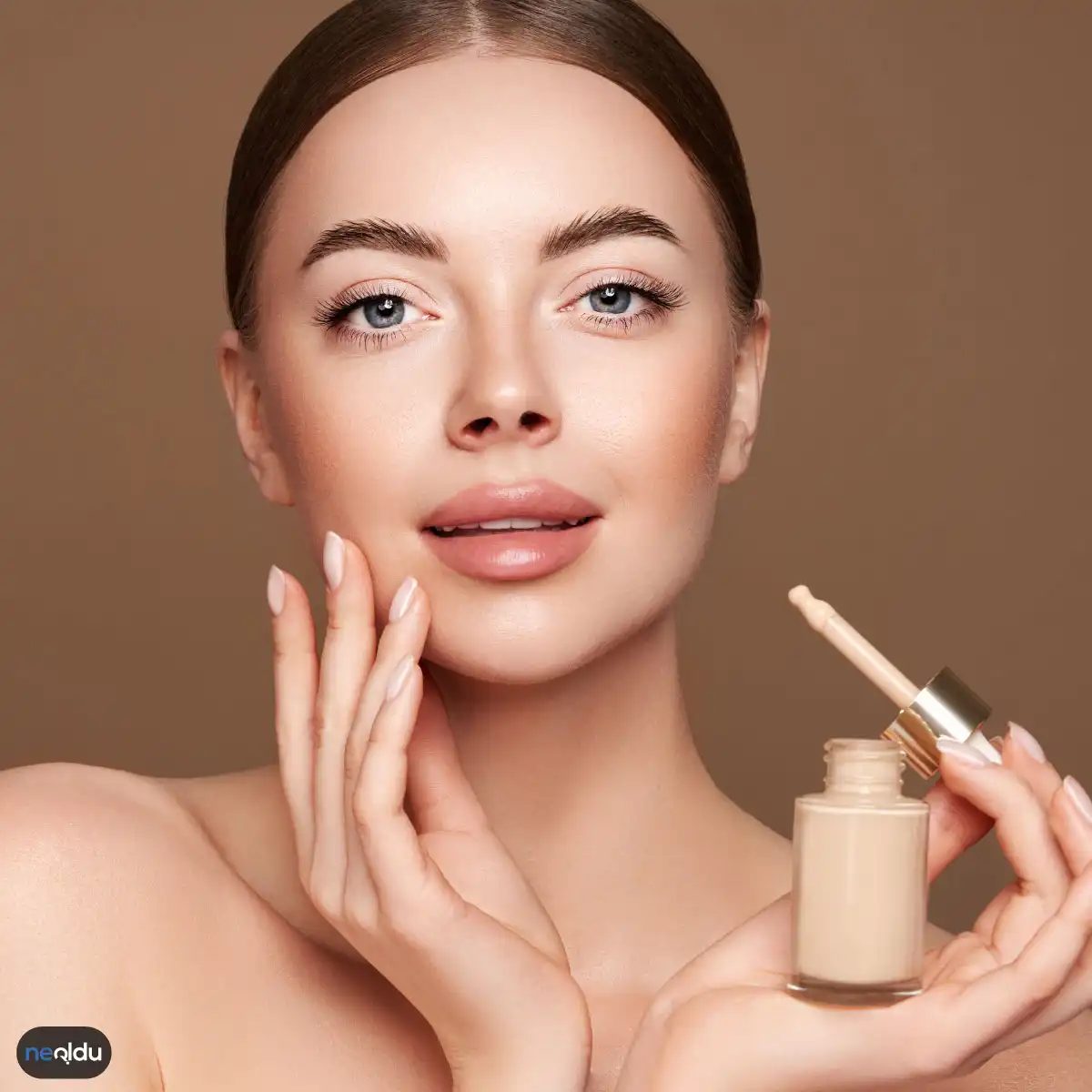
Fondöten
You know that foundation you bought in September? It’s probably past its prime.
Cosmetics don’t have expiration dates stamped like milk. They have Period After Opening (PAO) symbols. That little jar icon with an “12M” or “6M” on the bottom. It doesn’t mean the product is bad until that date. It means after you open it, you have that many months before bacteria and fungi start throwing a party inside the bottle.
Fondüton is different. It’s a mixture. Water. Oil. Pigment. Preservatives. When you pump the air into the bottle or dip your fingers in, you’re introducing contaminants. Over time, the chemical balance shifts. The preservatives fail. And then? You’re slapping live cultures onto your face.
Most liquid foundations last about six to twelve months. Powder ones? They can hang on for two years, maybe more if you’re careful. But liquids are the riskiest. They look fine. Smell fine. But under a microscope, they’re a biohazard.
So, how often should you swap it out?
If you’re using it daily, six months is a safe bet. If you use it once a week, maybe nine. But don’t guess. Look for changes. Separation. A strange smell. Grainy texture. If it looks like it’s sweating oil that won’t mix back in, toss it. Your skin barrier doesn’t need the help.
Blush and Bronzer: The Longevity Difference
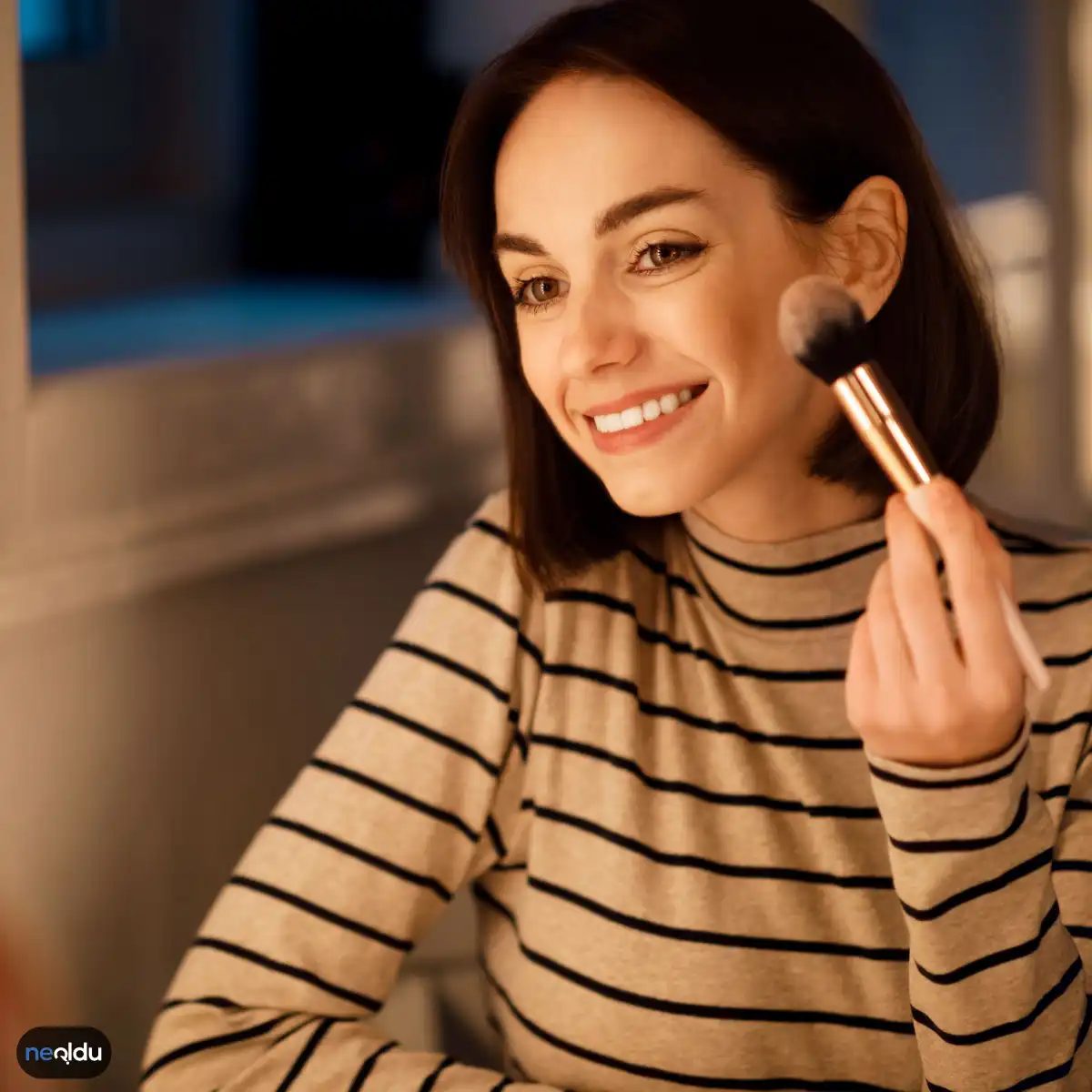
If you’re holding onto that compact blush or bronzer from last winter, you might want to check the PAI symbol. Powder formulas generally outlast their liquid counterparts by a significant margin. While liquid foundations often expire in 6 to 12 months, powders can last up to two years.
Why the difference? Water is the enemy of bacteria growth. Liquid foundations contain moisture, creating a breeding ground for microbes if left open. Powders are dry. They sit on the shelf, indifferent to time, unless they get wet.
But here is the catch. Even if the powder looks fine, the brush you use to apply it matters.
Oil from your skin transfers to the brush, then to the product.
That cross-contamination introduces bacteria back into the compact. If you share your makeup with others, you are sharing more than just color. You are sharing pathogens.
The rule remains simple: when in doubt, throw it out. A ruined complexion costs more than a new tube.
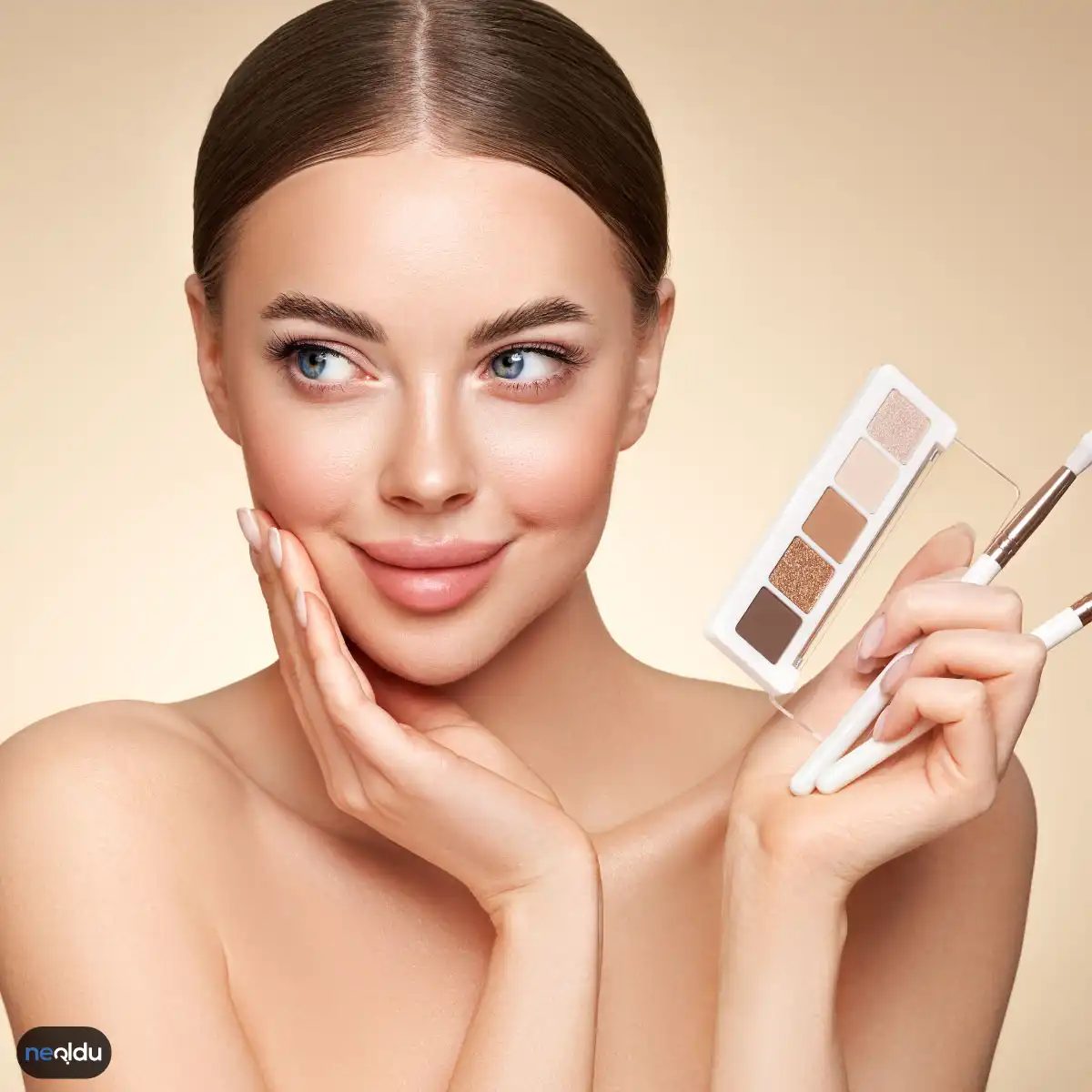
Allık ve Far: Toz Formüllerin Sürpriz Ömrü
Allık ile bronzlaştırıcıyı cildinizde ne kadar uzun süre kullanabileceğinize dair standart bir cevap vermek zor. Genellikle bu ürünlerin raf ömrü 12 ile 18 ay arasındadır. Ancak durum her zaman böyle değildir. Pudra allıklar, nemli formüllere kıyasla daha dayanıklıdır ve daha uzun süre kullanılabilir. Yalnızca kutudaki küçük kutu sembolüne (örneğin 12M, 24M) bakmak yeterli değildir; kokuyu, dokuyu ve rengi de izlemeniz gerekir.
Farlar için ise rakamlar biraz daha geniş bir aralığa yayılır. 12 ile 24 ay arasında değişen bir kullanım ömrü söz konusudur. Fakat burada da tek bir kural yok. Farın yapısı her şeyi belirler. Toz farlar daha stabilken, krem veya jel formları daha çabuk bozulabilir. Renk açılması, katılaşma veya tuhaf bir koku, artık kullanıma uygun olmadığını gösteren net işaretlerdir.
Ruj
Rujlar, özellikle kıvamına göre farklı davranır. Krem ve lüks formülleri genellikle 12 aya kadar dayanır. Daha katı mat rujlar ise 24 aya kadar kullanılabilir. Ancak bu süreler, saklama koşullarınıza göre kısalabilir. Güneş ışığı ve yüksek sıcaklık, rujların yapısını bozar. Rengi değişirse, kokusu keskinleşirse veya yüzünüze sürdüğünüzde cildinizde tahrişe neden oluyorsa, artık onu çöpe atmanın zamanı gelmiştir.
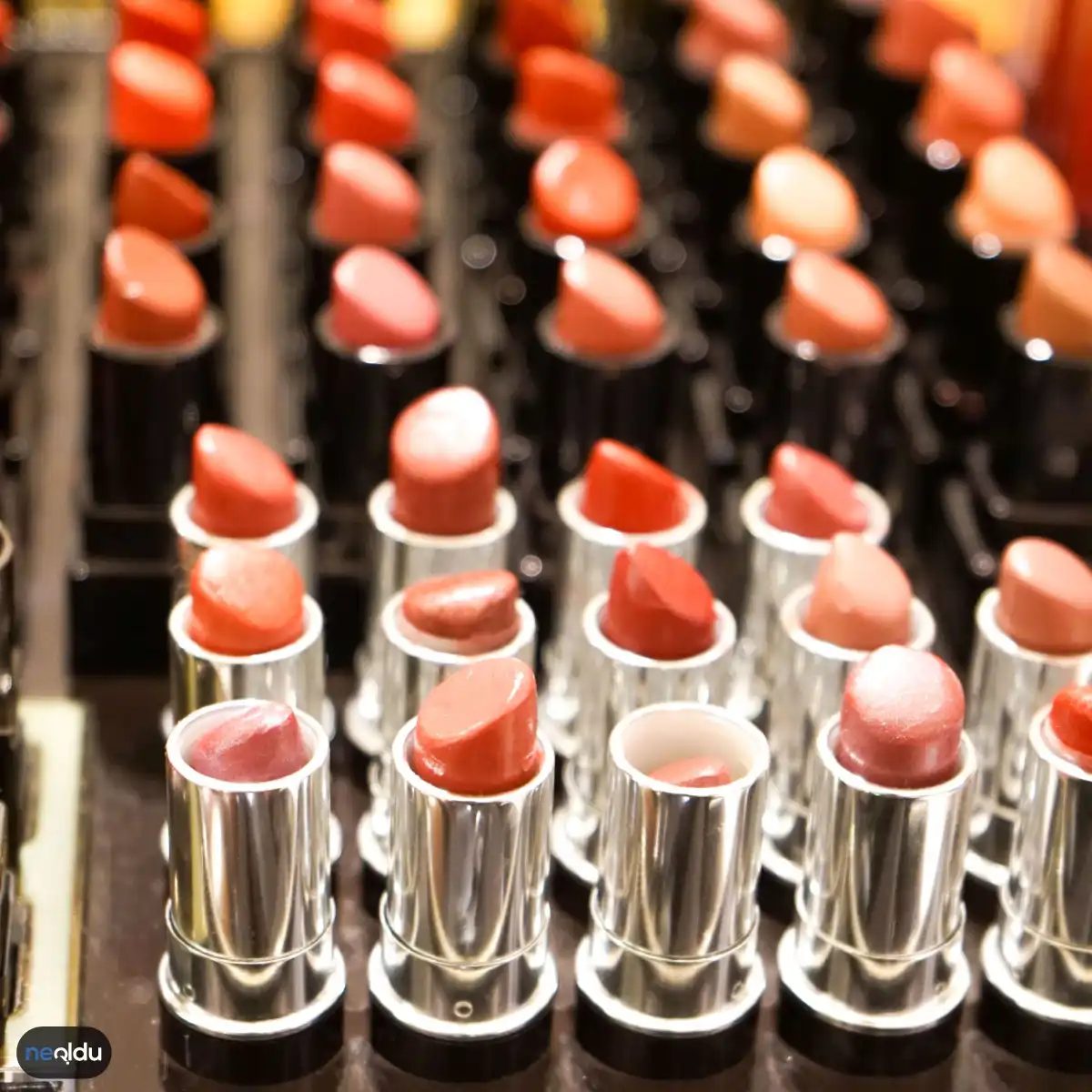
Mascara is arguably the most deceptive product in your makeup bag. The industry standard shelf life hovers between 12 and 18 months, but that number is a moving target. Matte lipsticks last longer because they contain less moisture. Glossy formulas? They degrade faster. The oil and emollients break down, creating a breeding ground for bacteria.
Mascara
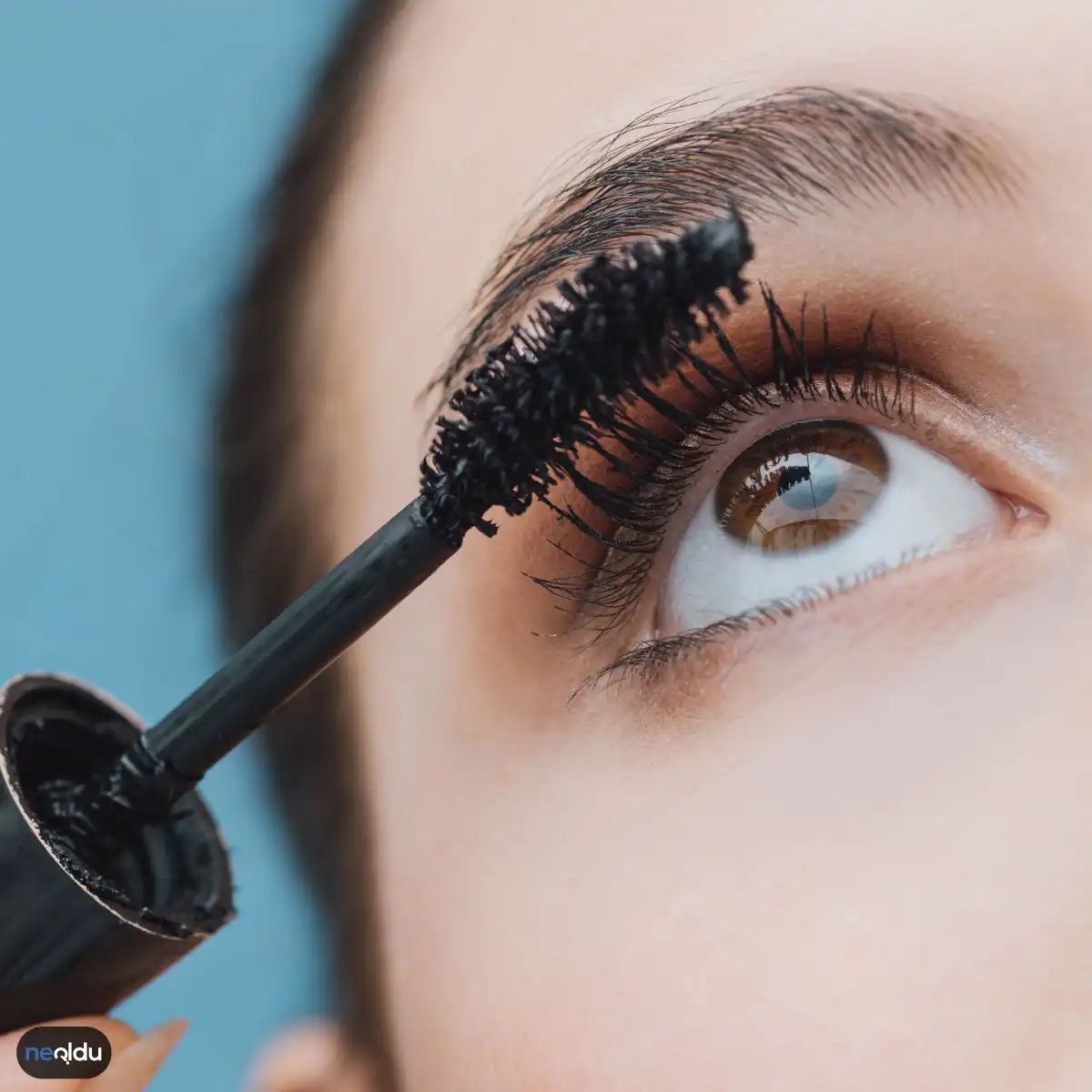
This one is stricter. You need to toss your mascara tube three months after opening it. Not six. Not when it starts looking weird. Three.
Why so short? It lives right next to your eye. The wand pulls product into the tube, introducing air and skin cells with every swipe. That dark, moist interior is a perfect incubator for bacteria like staphylococcus or pseudomonas. An eye infection isn’t just a rash. It’s a trip to the ER.
Which mascara lasts longest?
Waterproof formulas often have a slightly longer window because they resist breaking down in humidity, but the clock still starts ticking the moment you unscrew the cap. If you buy a new tube, write the date on the packaging with a sharpie. Put it on your calendar. Set a reminder.
Where do people go wrong?
Sharing. Never share mascara. The risk of transferring pink eye or herpes is too high. It’s not worth the five dollars you save.
How to extend its life (slightly)
Air is the enemy. Keep the cap screwed on tight. Don’t pump the wand in and out to get more product—that just forces air into the tube. Just twist it gently. If the formula gets clumpy or smells off, throw it away. Don’t try to fix it with drops.
The eye area is sensitive. Your lashes might shed naturally, but if they fall out along with redness or swelling, that’s not normal shedding. That’s a signal. Listen to it.
“Your eyes are your most vulnerable feature. Protect them with a short, strict shelf life.”
It’s not about having the newest tube. It’s about keeping your vision clear.
The Eyeliner Equation: Liquid, Pencil, or Gel?
Let’s talk about the line. One wrong move and you look like you’ve had a rough night. Dozens of right moves and you look sharp, awake, intentional. Eyeliner isn’t just makeup; it’s structural engineering for your eyes.
First, the hygiene rule. Unlike mascara, which has a strict 3-6 month shelf life before it dries out or breeds bacteria, eyeliner is a bit more forgiving—but not infinitely so. Pencil liners? Sharpen them. Often. A dull tip drags. It smudges. It pulls at the lid like sandpaper. If you’re using a mechanical pencil, click it down only as far as you need. Don’t let the pigment sit out there like an open wound. Liquid liners and gel pots are another beast entirely. If the liquid forms a skin, if the gel smells funky (yes, really), toss it. No exceptions. Bacteria loves moisture. Your lash line is moist. Do the math.
Which liner suits your lifestyle?
You need to match the tool to the task. This isn’t about trends. It’s about friction.
If you have oily lids, gel or waterproof liquid is your only friend. Standard gel will slide off your eyelid faster than you can say “cat eye.” If you have hooded eyes, a tightlining technique with a soft pencil might be better than a thick black line that transfers onto the upper lid when you blink. If you’re running late and your hands shake, a felt-tip pen with a fine point is better than a brush. Precision matters more than pigment intensity.
The application geometry
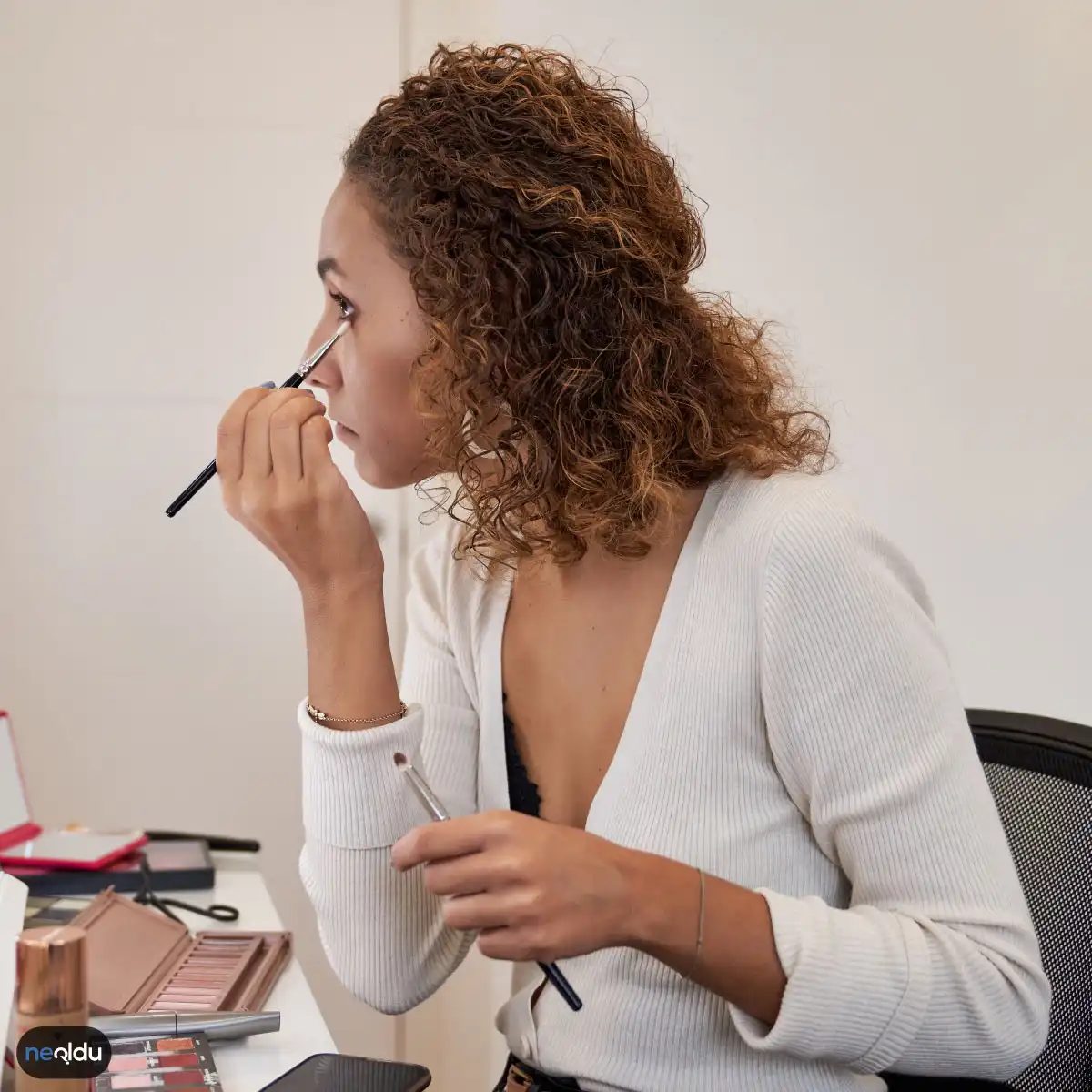
Most women hold the brush like a pen. Stop it. Hold it like a spoon. Rest your pinky finger on your cheekbone for stability. This creates a tripod effect. Your hand stops trembling. The line becomes straighter.
Start with dots. Map out the wing first. Three dots: one at the inner corner, one at the outer corner following your lower lash line’s extension, and one in the middle to bridge them. Connect the dots. Fill in. It’s easier to go back and darken than to try to fix a wobbly single stroke.
For tightlining—filling in the spaces between the lashes—use a waterproof pencil. Angle your eye down into a mirror below eye level. It looks silly. It feels invasive. It works. The result is a lash line that looks thicker without the obvious black stripe.
Color theory beyond black
Black is default. It’s safe. It’s high contrast. But what happens when you’re 40, or 50, or just tired of looking severe?
Try brown. A deep espresso brown softens the gaze. It’s less harsh on the skin. It looks like you have natural shadows instead of applied makeup. Navy blue is the new black for evenings. It reads dark from a distance but adds a hint of depth up close. Green? Only if you have green or hazel eyes. Then it makes the iris pop. Red? Avoid. Unless you’re going for a specific editorial look, red eyeliner on the waterline looks like irritation. It looks like a symptom, not a style choice.
Removal matters
Rubbing is the enemy. You’re pulling skin you’ll spend thousands trying to tighten later
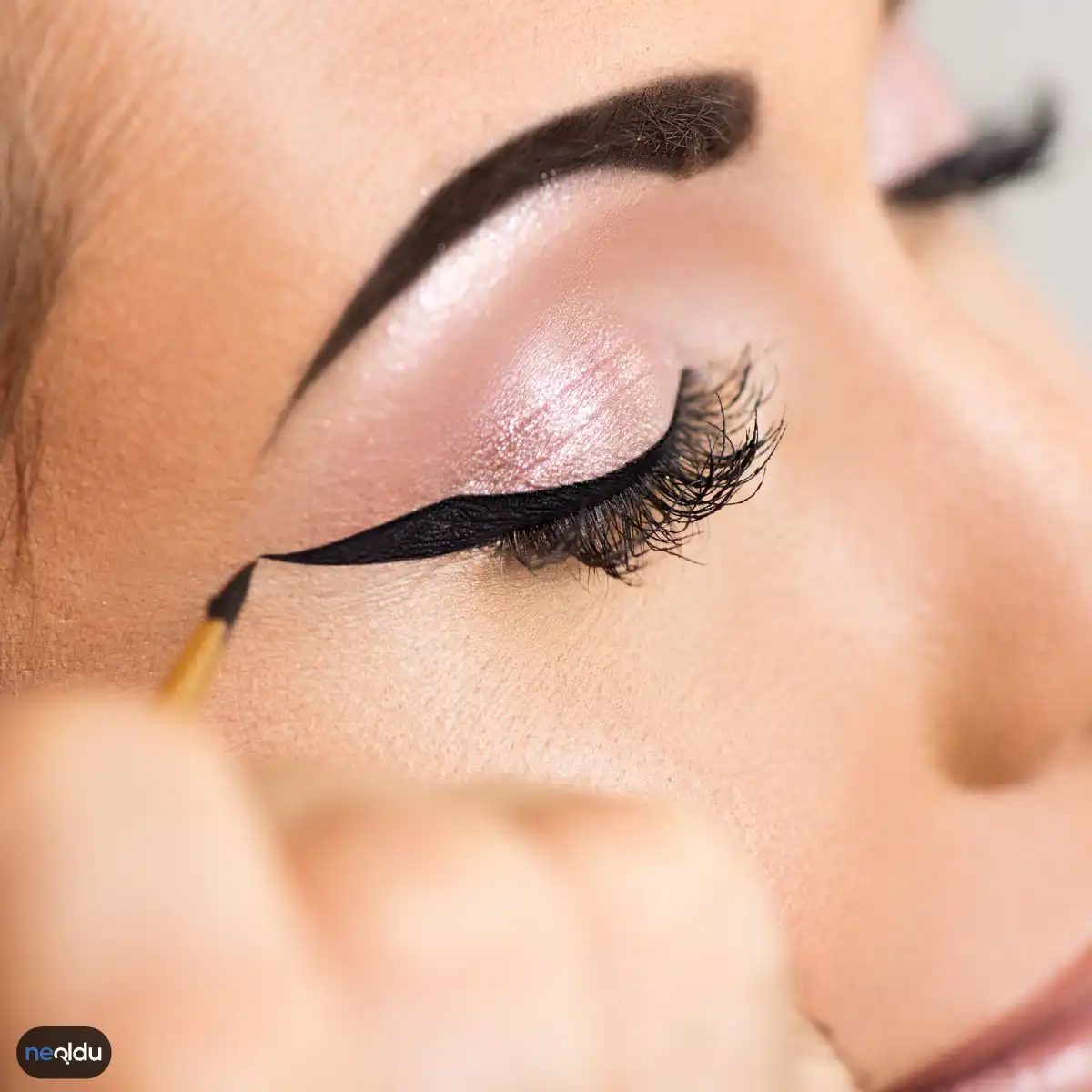
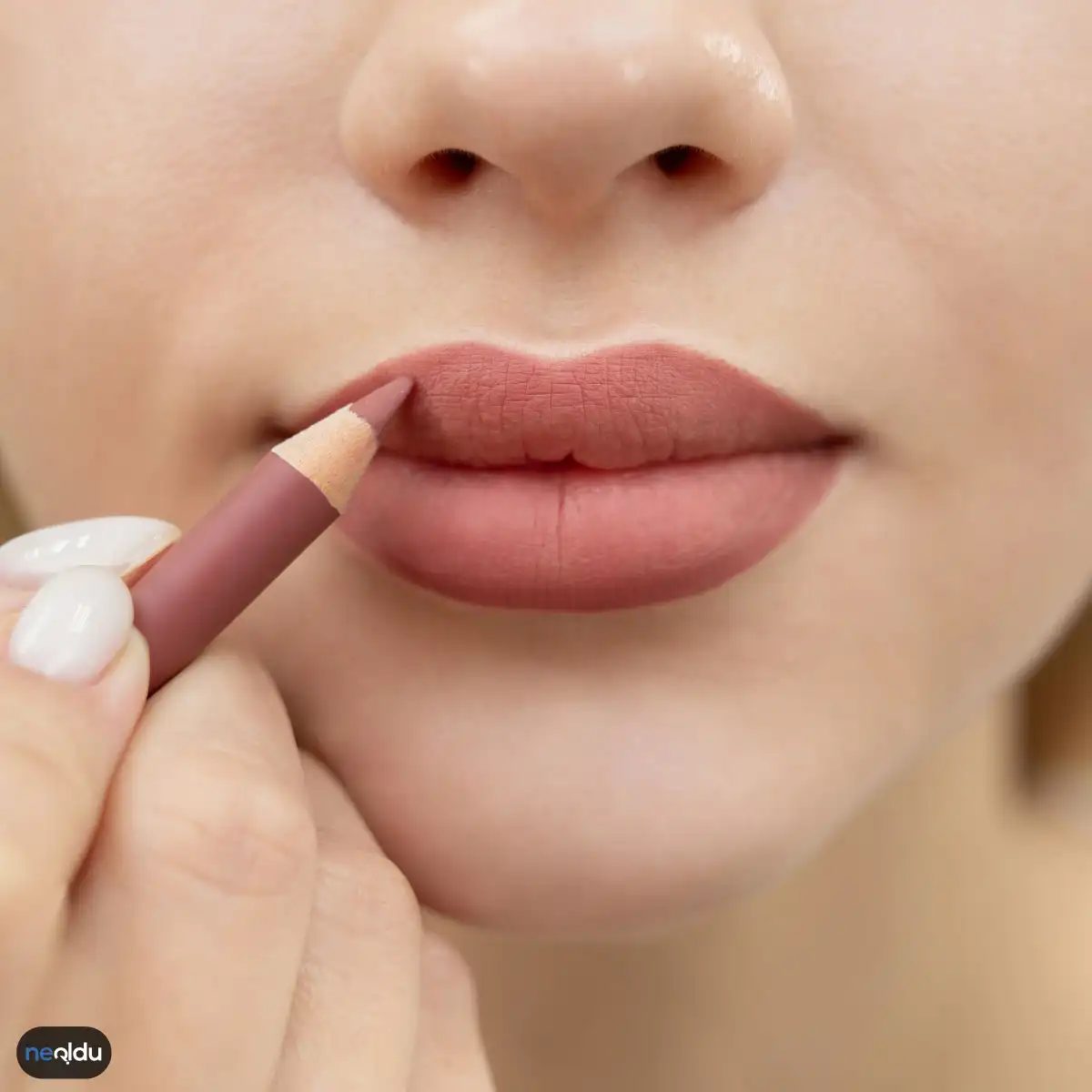
Kozmetik raf ömrü derin bir kuyu. Üzerinde küçük bir kavanoz sembolü var mı? İşin içine girdin demektir. O sembolün içindeki sayı, ürünün açıldıktan sonra kaç ay güvenle kullanılabileceğini gösterir. PAO (Period After Opening) olarak bilinen bu sistem, markaların gönüllerince yazdığı bir tarih değil. Gerçek bir güvenlik uyarısıdır.
Göz Makyajı: En Hassas Bölge
Gözlerin, kozmetik ürünlerine karşı en savunmasız organdır. Bakterilerin üremesi kolaydır. Kurulukla mücadele ederken enflamasyona davetiye çıkarmak istemezsiniz. İşte burada rakamlar konuşur.
Göz kalemleri ve tuşlar genellikle daha dayanıklıdır. Ancak sıvı kalemler, fırçalarıyla birlikte kullanıldığında kontaminasyona çok daha açıktır. Kuru kalemle çizip silmek farklıdır. Sıvı eyeliner, fırçası her açılışta hava ve mikrop alır. Bu yüzden raf ömrü kısadır. Altı aya kadar indisi vardır. On iki ayı geçerse, gözlerinizde kızarıklık, kaşıntı veya enfeksiyon riski artar.
Göz sağlığınız, makyaj trendlerinden önce gelir. Şüpheli kokulu veya kıvamı bozulmuş ürünü asla atlamayın.
Kırpmalar, kurumasa bile bakteriler çoğalır. Göz kapağı hastalıkları ciddiye alınmalı.
Dudak Ürünleri: Daha Uzun Ömür
Dudak kalemleri daha esnek. Onlar genellikle on iki ila on sekiz ay arasında kullanılır. Balmumu ve yağ bazlı yapıları, sıvı ürünlerden daha az bozulma eğilimindedir. Ancak bunlar da sonsuza kadar dayanmaz.
Parlaklar ve balmumları farklıdır. Krem dokulu dudak ürünleri daha kısa ömürlüdür. Onlar genellikle altı ay ile bir yıl arasında değişir. Sıvı mat rujlar ise, fırça veya aplikatörleri nedeniyle daha çabuk kurur. Kıvam değişirse, kullanmayı bırakın.
Tarihleri Nasıl Okursunuz?
Ürünü satın aldığınızda üzerindeki tarih, açılmadan önceki son kullanma tarihini gösterir. Bunu unutmayın. Kapak açıldığında, o tarih geçerliliğini yitirir. Yerine PAO sembolü devreye girer.
- 3M : Üç ay
- 6M : Altı ay
- 12M : On iki ay
- 24M : İki yıl
Bu semboller, ürünün raf ömrünün bir parçasıdır. Ancak saklama koşulları da önemlidir. Banyo, nem ve sıcaklık açısından ideal bir yer değildir. Serin ve kuru bir yerde saklamak, ürünün ömrünü uzatır.
Ne Zaman Atmalısınız
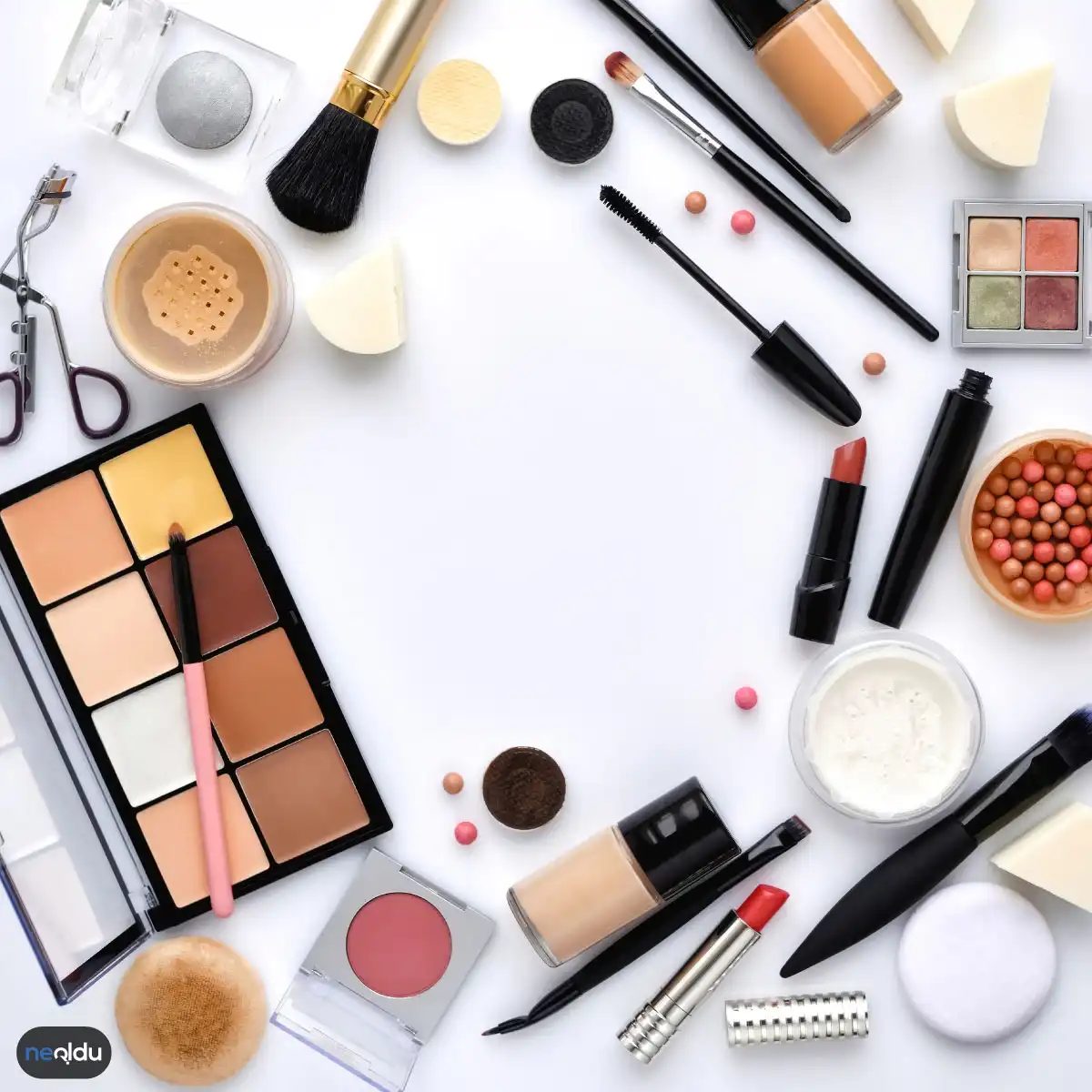
Ürünlerin raf ömrü konusundaki endişeleriniz yersiz değil. Kozmetikteki kimyasallar zamanla etkisini yitirir. Bu yüzden etiketlerdeki tarihler sadece tavsiye niteliğinde değil, yasal bir zorunluluktur. “exp.” veya “expiry” gördüğünüzde durun. Bu kısaltmalar, o tarihten sonra ürünün güvenli olmadığını ima eder. “exp. 09/2024” yazıyorsa, Eylül 2024’ten sonra kullanmayın. Bakteri üremesi riski artar. İştahınızı kabartan o makyaj çantası da aynı kaderi paylaşır.
Ancak tek dikkat etmeniz gereken son kullanım tarihi (expiration date) değildir. Ambalajlarda daha incelikli bir işaret vardır. Bir açılmamış kapak ikonu. Yanında harfler ve rakamlar. Bu, PAO veya Açıldıktan Sonra Kullanım Ömrü anlamına gelir.
“PAO simgesi, ürünün raf ömründen bağımsız olarak, hava ile temas ettikten sonraki gerçek kullanılabilir süresini gösterir.”
Örneğin, “12M” ifadesi, ürünü ilk açtığınızdan itibaren 12 ay boyunca kullanabileceğinizi söyler. 6M ise altı ay demek. Bu tarih, ürünün kutusunda veya şişesinin dibinde basılmıştır. Genelde küçük bir kavanoz resminin üzerinde yer alır.
Bakteriler ve Hijyen
Neden bu kadar kritik? Çünkü kozmetikler, nemli ve ılık bir ortamda yaşamayı seven bakteriler için bir davetiye gibidir. Özellikle göz çevresi ürünleri. Maskara fırçaları. Parmağınıza değdirdiğiniz fondötenler. Hava girdikçe oksidasyon başlar. Efektiflik azalır. Kokusu değişebilir. Renk kayması görülebilir.
Bir ürünün PAO süresi dolduğunda, koruyucular etkisini yitirir. Artık içindeki mikroplar kontrolünüz dışına çıkar. Göz enfeksiyonlarından cilt tahrişlerine kadar uzanan bir risk listesi oluşur. Bu riskleri göze almak, o pahalı serumu son günlerinde kullanmaya değer mi? Muhtemelen hayır.
Saklama Koşulları: Işık ve Sıcaklık Düşman
Kozmetikleri doğru saklamak, son kullanma tarihini uzatmak yerine, ürünün bozulma sürecini yavaşlatır. Banyo, kozmetik için en kötü yerlerden biridir. Sıcaklık ve nem, formülleri bozar. Serin ve kuru bir yerde saklayın. Doğrudan güneş ışığından uzak tutun. Işık, vitaminleri ve bitkisel özleri bozar.
Şunları göz önünde bulundurun:
– Parfümleri dolabınızda tutun.
– Göz makyajı ürünlerini her kullan
Doğru Saklama, Tarihleri Uzatır
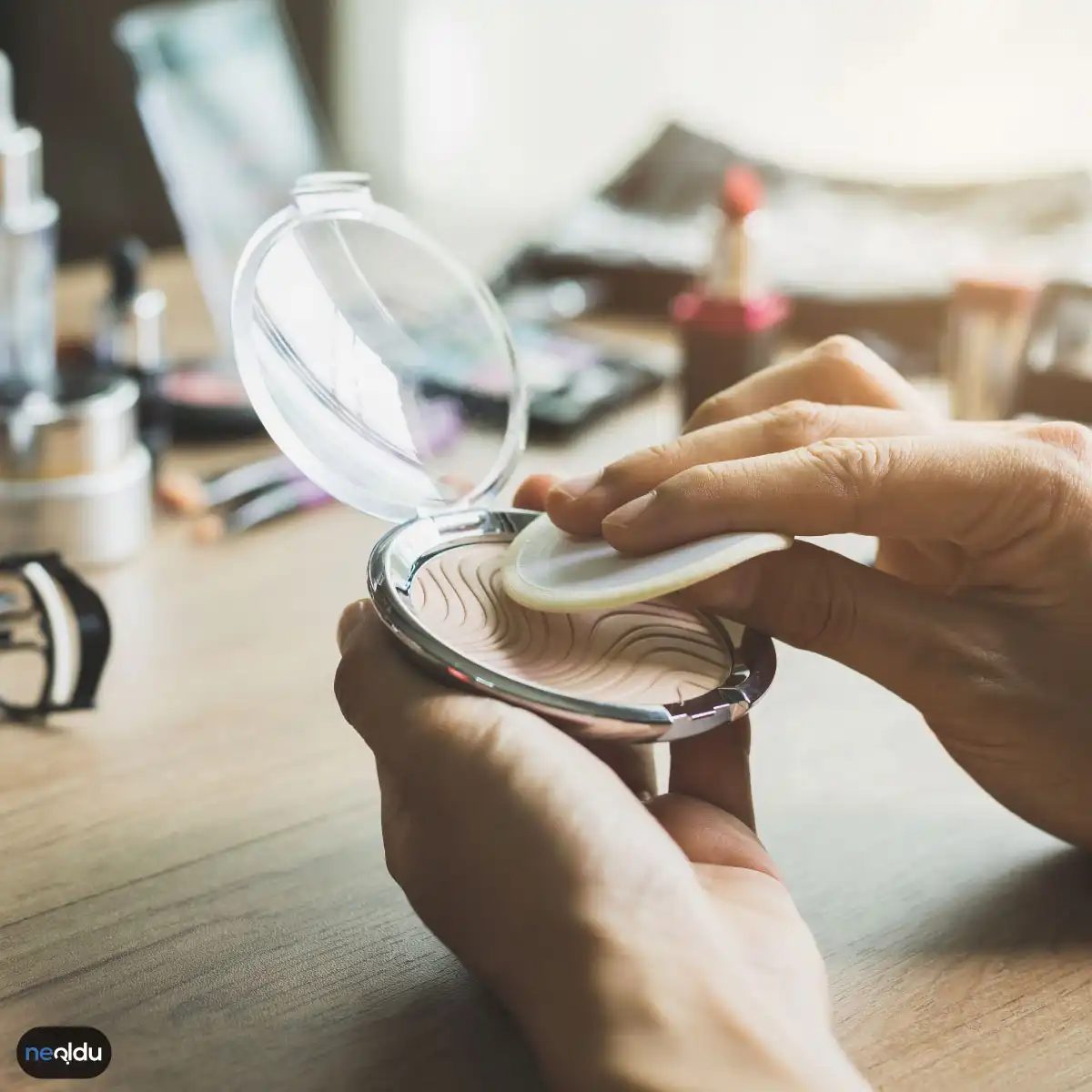
Makyaj ürünlerinin raf ömrünü gerçekten uzatmanın basit ama etkili bir yolu var: onları doğru yerde tutmak. Sıcaklık ve nem, kozmetiklerin en büyük düşmanı. Bu yüzden banyo dolapları, buhar ve değişen sıcaklıklar nedeniyle aslında ürünleri bozmaya en yatkın yerlerin başında gelir. Kullandığınız fondöten, maskara veya far gibi ürünleri serin, kuru ve karanlık bir yere, örneğin yatak odanızın çekmecesine koymak çok daha mantıklı.
Bir diğer ihmal edilen ama kritik detay ise kapakların sıkıca kapatılması. Hava ile temas, oksidasyon sürecini hızlandırır ve ürünün yapısını bozar. Her kullanım sonrası kapağı tam oturtmak, bakterilerin ve hava aksamlarının içeri girmesini engeller. Bu küçük alışkanlık, ürününüzün tazeliğini ve güvenliğini korumak için belki de en basit savunma mekanizmanızdır.
Makyaj Ürünleri Bozulduğunda Nasıl Anlarız?
Ürünlerin süresi dolmadan bozulup bozulmadığını anlamak için bakmanız gereken üç temel işaret var. Bunlar genellikle görsel veya dokusal değişimlerde kendini gösterir:
- Koku değişimi: Ürünün kendine has kokusu kaybolmuş, rancid (yağın bozulma) bir koku salıyorsa veya şüpheli bir koku varsa, onu hemen kullanmayın. Bu, bakteriyel veya mantarsal bozulmanın en belirgin işaretidir.
- Doku ve renk değişimi: Fondötenin suyu ayrılıyorsa, farların sertleşmiş veya yapışkan hale gelmişse, rimelin topaklanmış veya akışkanlığını yitirmişse, bunlar bozulduğunun kanıtlarıdır. Ayrıca ürünün renginin solması veya koyulaşması da kimyasal bozulmaya işaret eder.
- Göz ve ciltte tahriş: Ürünü kullandıktan sonra gözlerinizde yanma, kızarıklık veya kaşıntı hissediyorsanız, cildinizde döküntü veya tahriş oluşuyorsa, hemen kullanımı bırakın. Bu, ürünün kontamine olduğu anlamına gelir.
Ürününüzün dokusu, kokusu veya rengi değiştiğinde ya da cildinizde tahriş neden olursa, onu hemen çöpe atın. Sağlığınızı riske atmak, yeni bir ürün almaktan çok daha pahalıya patlar.
Bu belirtilerden herhangi biriyle karşılaşırsanız, ürünü kullanmayı bırakın. Bozulmuş makyaj ürünleri, ciltte enfeksiyonlara, alerjik reaksiyonlara ve göz problemlerine yol açabilir. Hijyen, güzelliğin temel taşıdır.
Is Your Makeup Safe? Spotting Spoilage Early
It’s not always obvious when your products have gone bad. The expiration date is just a starting point, not a hard deadline. You have to look closer. Trust your senses. If it smells off, throw it out. A change in scent is the first red flag. Texture changes are another. If your foundation has separated into an oily mess or your mascara has clumped beyond redemption, it’s done. Discoloration happens too. And if you see mold or fungus growing on the surface? That’s an immediate discard. Bubbles or sediment in a product that should be smooth mean the formula has broken down. Don’t risk it.
Why Expiration Dates Actually Matter
These dates aren’t arbitrary. They indicate when the chemical integrity of the product begins to degrade. Once that balance is lost, the preservatives stop working effectively. This creates a breeding ground for bacteria. Using expired makeup isn’t just about poor application; it’s a health hazard. Your skin barrier is compromised, and introducing old, unstable chemicals can lead to irritation, breakouts, or worse.
Which Makeup Products Need Replacing Most Often?
Frequency of use matters as much as time on the shelf. Eyes are the most sensitive area, so eye products go bad fastest. Mascara needs replacing every 3 to 6 months. Eyeliner and eyeshadow typically last 12 to 24 months, but if you use them daily, lean toward the shorter end. Foundations usually last 6 to 12 months. Blushes and bronzers have a longer lifespan, generally 12 to 18 months. Lipstick and lip liners sit around 12 to 18 months as well.
“Eye products like mascara and eyeliner are the first to go. Replace them frequently to avoid infection.”
How to Store Makeup for Maximum Longevity
Where you keep your beauty bag changes everything. Heat and humidity are enemies. Don’t store your makeup in the bathroom. The steam from showers creates a perfect environment for bacterial growth and product degradation. Keep containers tightly closed when not in use. Oxygen exposure accelerates oxidation, which ruins textures and scents. A cool, dry place extends the life of your products significantly.
The Danger of Sharing Beauty Tools
Sharing makeup is a bad idea. Period. It transfers bacteria, fungi, and viruses directly from one person to another. Even if you’re close friends, you shouldn’t share mascara wands or lipsticks. Eye infections can be serious. If you must share, use disposable applicators. It’s a small habit that protects your long-term health.
Cleaning Tools: The Unsung Hero of Skincare
Your brushes and sponges harbor more bacteria than you might realize. If you don’t clean them regularly, you’re rubbing old makeup and dirt back into your pores. Wash them often. This simple step prevents breakouts and makes your products last longer by keeping the formula clean during application. It’s the most practical tip for maintaining a healthy complexion.
When to Draw the Line
So, which products should you ditch first? The eye area. Mascara, eyeliner, and shadow are the most critical to replace. They touch the mucous membranes and the most delicate skin on your face. If your foundation is three years old but sealed in a dark drawer, it might be okay. If your mascara is six months old and used daily, it’s time for new tubes