



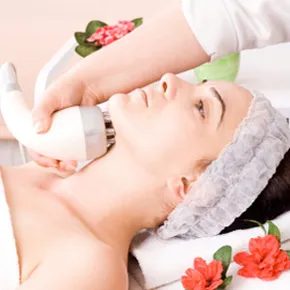
Hair seems to have a mind of its own. It sprouts like a weed and spreads from your head to your feet, your back and even your face. Hair is beautiful, but creep onto your upper lip, chin or back can often feel more embarrassing than attractive. Of course, growth is natural, but genetics, age, and hormonal changes can cause you to grow more than expected.
You may have shaved, plucked or waxed your hair. They work for a while. Then the hair will inevitably grow back. This is very frustrating. If you are tired of the cycle, why not consider electrolysis?
Developed more than a century ago to treat ingrown eyelashes, electrolysis does more than just remove hairs. It destroys the follicle. Hair never grows back from damaged hair follicles. That is the promise.
Electrolysis is recognized by the FDA and the American Medical Association as the only “permanent” hair removal method. It’s very slow. It’s expensive. However, for many men and women, this is the only way to finally remove unwanted hair from certain areas.
When weighing your options, you need to consider the risks, benefits, and alternatives. In particular, you need to know how it compares to laser treatment.
How electrolysis works
This process is precise and repeatable. Small needles are inserted deep into the skin into individual hair follicles. Low-power electrical pulses are sent to destroy the follicles. The existing hair falls out. The needle moves to the next one.
It is hair-by-hair work.
It may take 10 and 25 sessions to clear an area completely. Each treatment can cost up to $90.
Laser options
Laser hair removal is also famous in this field. It uses pulsating light beams instead of electricity. The light targets the melanin in the hair and heats it until the hair follicle temporarily stops producing hair.
The problem is that lasers don’t work well on blonde hair. If your hair is blonde, red, or gray, you may not get results. Even if you are a good candidate, you will need 5-8 treatments every 6-8 weeks.
Prices will rise even higher. Each laser treatment can cost up to $500.
Both approaches involve risks. Inflammation. Scarring. Pigmentation changes. A licensed and certified technician is required to minimize these hazards. Do not skip the vetting process.
Choose one of the two
Electrolysis and laser can be used to remove hair from most parts of the body. They have similarities. However, their requirements, results and costs vary greatly.
Electrolysis is permanent but tedious. Lasers are faster, but usually temporary and limited by hair color. Which one suits your life? It depends on your budget, hair type and patience.
Types of Electrolysis
If you choose electrolysis, you will encounter different techniques. They vary depending on the conductor used to transfer the energy.
- Galvanic electrolysis chemicals are used. A direct current passes through the needle, which reacts with the natural saline of the hair follicle, producing sodium hydroxide (lye). The heat produced by this reaction destroys the follicle.
- Thermolysis uses water. The alternating current causes the hair follicle to vibrate and heat the surrounding water molecules until the follicle is destroyed.
- The blend method is a combination of galvanic and pyrolysis methods.
You may not have a choice. Availability varies by technician.
A Warning About At-Home Kits
You may come across at-home electrolysis kits called tweezers. These are generally considered unsafe. In many states, manufacturers cannot even legally label their products as permanent hair removal.
Why? This is because the tweezers vibrate the hair, not the hair follicle. Hair cannot destroy hair follicles. You need a professional. Well-trained technicians ensure safety and effectiveness.
Other temporary options
If electrolysis is not suitable, there are other options.
Shaving is standard. cuts hair at the skin surface of the skin. Use warm water and shaving cream. Shave in the direction of hair growth. Change the blade often. Dull blades can cause irritation and nicks.
Depilatories is a cream that uses chemicals to dissolve hair proteins. they work fast. However, it can irritate sensitive skin. Always test a small patch first. Some new creams claim to slow growth, but results vary.
One way is to pull the hair out from the root. it hurts. Ingrown hairs may be more likely to occur. Is it worth the pain?
The next step is to decide if the pain and expense of professional care is worth the promise of permanence. Or if you are happier living with the maintenance. There is no single right answer. Only what suits the your reality.
Why electrolysis attracts attention
Laser treatments get a lot of hype, but if you want permanent waxing, only electrolysis can deliver on that promise. This is not just a marketing claim. It is a technical reality. Creams use strong chemicals to remove surface hair, lasers shine bright light on the hair follicle, and electrolysis works quietly under the skin. A tiny probe is used to feed a low-level electric current into the hair follicle, which effectively destroys the hair follicle’s ability to regenerate.
This difference is especially important if you have sensitive skin. Laser treatments rely on heat and light, which can cause burns, irritation, and even scarring if the settings don’t match your skin tone. Electrolysis does not use light. There is no risk of burns. Precisely targets and destroys hair roots.
For women with curly or coily hair (especially women of African descent), shaving and waxing can be a losing battle. Curved hair shafts tend to curl back into the skin, causing ingrown hairs and painful bumps. In electrolysis, the direction of hair growth does not matter. Locate and remove hair follicles. No more suffering from the “itchy feeling” after waxing or shaving. You’re not just removing hair; you’re ending the cycle.
Trade-offs you should know about
However, not everything is smooth sailing. Before you book your first appointment, you should understand what the whole process is really like. Unlike lasers, which can treat multiple hairs with a single pulse, electrolysis is done manually, hair by hair. Technicians must locate and treat individual hair follicles.
Therefore, it is very time consuming. Only 15-50% of the hair in a certain area can be removed with the first session. Why? Because not all hair is in active growth (anagen) at the same time. To get true permanence, you have to catch them as they grow. This means that it can take a year or more of regular treatments to completely remove unwanted hair. This is a significant time investment and will naturally affect your budget.
There are also side effects. Although rare, scarring and temporary inflammation may occur. You may feel pain during the procedure, but most technicians will apply a numbing cream an hour before the procedure to reduce discomfort.
Who should avoid it? Skip this if you have a pacemaker. The current can disturb the metal parts of the device. People with rosacea or very irritated skin should also be careful, as the treatment may worsen the redness.
For women with darker skin, there is another consideration: pigmentation changes. Electrolysis is very effective on curly hair, but it can make areas of the skin lighter or darker than the surrounding area. This is more visible on darker skin tones, so finding a technician experienced with your skin type is non-negotiable.
Temporary and permanent solutions
Let’s be honest about waxing and tweezing. Their work is short-term. Plucking is the removal of hair from the roots with tweezers, and is usually done to shape eyebrows. Hair removal uses hot wax and waxing strips to remove hair from the hair follicle. Both are temporary because the follicle itself remains intact. Hair grows back. In fact, repeated damage to hair follicles caused by waxing can cause them to grow back thicker and cause skin infections if hygiene is not perfect.
In contrast, electrolysis destroys the follicle. Hair just isn’t resting. It disappears. If you’re tired of endless maintenance cycles, it might be worth the investment. But if you’re looking for a quick fix, you’ll find yourself back in the chair sooner than you think (or you can use tweezers at home).
When it’s more than vanity
For some women, waxing is not just about beauty. It’s about health. If you have excess dark hair on your face, back and chest, you may be suffering from hirsutism. This condition is characterized by male pattern hair growth in women, often caused by excess testosterone.
Hirsutism can be caused by several reasons. Polycystic ovary syndrome (PCOS) is a common cause and causes a hormonal imbalance that causes hair growth. It may also have something to do with ethnicity. Statistically, women of Mediterranean, South Asian, or Middle Eastern descent are more likely to develop hirsutism due to genetic factors.
If this sounds like you, electrolysis is more than just a beauty treatment. It is a management tool for a medical condition. Hormone therapy can help control the underlying cause, while electrolysis offers an direct solution for hair that is already growing. Electrolysis brings control and clarity to a process that could otherwise be overwhelming.
The next step is finding the right technician. Look for someone who is licensed in your state, has experience in the specific area being treated, and has a proven track record of understanding your skin type. It’s an investment in comfort, your skin and long-term confidence.
Where can I find detailed answers?
If you’re still considering your options, hair removal has a bright future. You may be wondering if waxing is really gentler on your skin than shaving, and how often you need to pluck your eyebrows to keep them from thinning. That’s not the only problem. You may be interested in the science behind hair removal creams or how Brazilian waxing works. Even simple leg waxing requires techniques that can affect the results.
“The best approach depends entirely on your skin type, pain tolerance, and how much time you can devote to maintenance.”
It is also worth learning about the biological aspects. Why do people have body hair at all? For individuals suffering from excessive hair growth, knowing the specific treatments for hirsutism can make a big difference.
Experts behind the advice
This information does not come out of nowhere. It is based on a combination of dermatology and practical guidelines. The American Academy of Dermatology studied how spa treatments that include certain hair removal methods can affect sensitive conditions such as rosacea. Meanwhile, the American Academy of Family Physicians provides background information on hirsutism to help distinguish between normal hair growth and hormonal imbalance.
Medical experts such as Dr. Alicia Barba provide an overview of non-laser techniques and detail the physical changes to hair follicles. WebMD sources, including an article by Colette Bouchez, acknowledge that hair removal needs vary by gender and skin tone, and break down the best options for women and men.
For those interested in a permanent solution, the American Electrology Association and WebMD’s coverage of electrolysis provides insight into how this time-tested method works. Safety data from clinical trials, such as the trials of the LEORTEC-300 system, add additional evidence to the efficacy claims.
The Mayo Clinic bases its recommendations on established medical consensus and remains the consistent benchmark for laser hair removal and hirsutism. Finally, specific tips for teens and considerations for women of color ensure that this guide is not one-size-fits-all. Darker skin tones require a different approach than lighter skin tones, but this nuance is often overlooked in general guidelines.
Which way will you choose now? The decision often depends on your budget, your pain tolerance and how quickly you want to see results. There is no one right answer, just one that works for your life right now.


